Flyers and online ads often promise that air duct cleaning will transform the air in your house. It sounds so sensible that many of us would book one without a second thought. Before any home project, though, I like to read what the experts actually say, and in this case the picture is a lot more nuanced than the ads suggest. If you have ever wondered whether your vents need attention, how often it might make sense, and what a fair conversation with a contractor looks like, this guide walks through the facts from official sources in plain language, so you can decide calmly instead of reacting to a sales pitch.
What the EPA Actually Says About Duct Cleaning
The U.S. Environmental Protection Agency has a page devoted to exactly this question, and its tone is surprisingly cautious. The agency says that duct cleaning has never been shown to actually prevent health problems, and that studies do not conclusively show that dirty ducts raise the dust levels in a home or that cleaning lowers them. It also says there is no evidence that a light amount of dust in ducts poses a risk to your health. In other words, the common claim that dusty ducts are making your family sick is not backed by the research the EPA reviewed. That does not mean cleaning is never useful, but it does mean the decision should rest on what you can see in your own system.
When to Clean Air Ducts: Signs That Matter
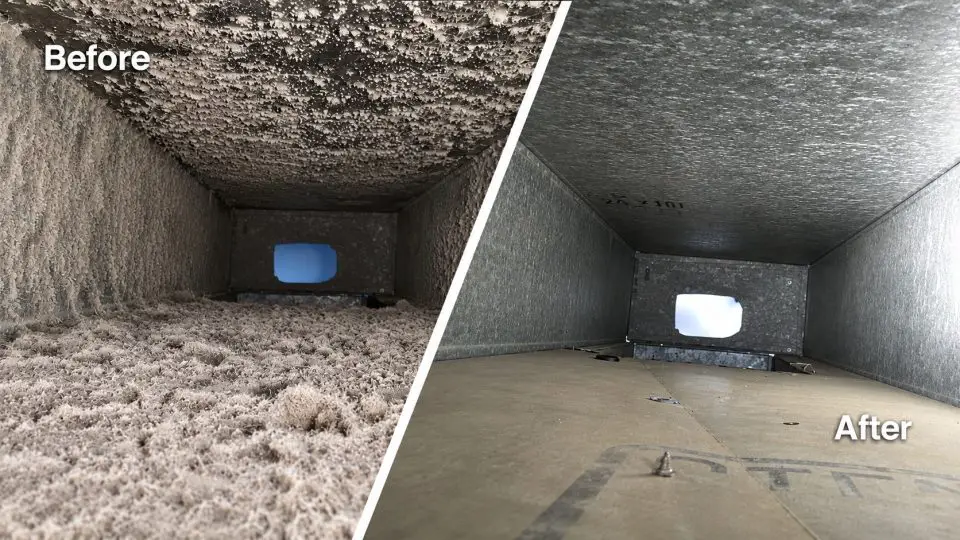
So when to clean air ducts, according to the EPA? The agency points to three situations: substantial visible mold growth inside hard sheet metal ducts or other system components, an infestation of vermin in the ducts, and ducts so heavily clogged with dust and debris that particles are actually being released from the supply registers. Even then, the underlying cause should be fixed first, or the problem will probably come back. The EPA also notes that dusty return registers are normal and can often be vacuumed or wiped without a full cleaning. Suspected mold should be confirmed by a qualified expert, and wet or moldy insulation generally cannot be cleaned effectively and needs to be replaced.
Home Air Quality: What Usually Matters More
When people worry about home air quality, ducts are only one piece of the picture. The EPA lists many indoor sources of pollutants: fuel-burning appliances, tobacco products, building materials and furnishings, household cleaning and hobby products, and excess moisture. Outdoor sources such as radon, pesticides and outside air pollution also find their way in. The agency adds that too little ventilation lets these pollutants build up, because there is not enough outdoor air to dilute them. This is why I would look at the basics first: using exhaust fans, fixing leaks that cause dampness, and keeping gas appliances properly serviced. Those habits tackle the sources of poor indoor air quality directly instead of just the symptoms.
Choosing a Provider and Understanding Air Duct Cleaning Cost
If your inspection does point to a real problem, take your time choosing who does the work. The EPA recommends getting written estimates from at least three providers, checking references and licensing, and getting a written agreement that spells out the total cost and the scope of work before anything starts. The agency also advises steering clear of companies that make sweeping health claims or push routine cleaning, and notes that it does not certify or endorse duct cleaning firms. When you compare options, it helps to read how a company like fresh air ducts cleaning describes its process, then check whether its answers line up with the EPA’s list of what a good job should include. Because every house is different, the air duct cleaning cost question is best answered by those written quotes rather than by a rule of thumb.
What a Proper Job Involves, and a Word About Dryer Vents
According to the EPA, a thorough air duct cleaning job means access to and inspection of the whole system, vacuum equipment that exhausts outside the house or a HEPA vacuum if it exhausts indoors, protection for your carpets and furnishings, and sealing of any access holes made along the way. The agency also suggests looking for providers that follow NADCA standards. It does not recommend routine use of sealants or biocides inside ducts. Staying on top of dryer vent cleaning is a separate subject with its own safety logic: an older staff report from the U.S. Consumer Product Safety Commission identified lint buildup as the largest known contributing factor to clothes dryer fires, and dryer manufacturers advise cleaning the lint screen before every load and periodically cleaning the exhaust duct.
To sum up, treat duct cleaning as a response to a visible problem rather than a yearly ritual. Look for mold, pests or heavy debris, fix the moisture or entry point that caused it, and be wary of any claim that cleaning will guarantee better health. Put your first effort into ventilation, source control and regular HVAC maintenance, and keep your dryer vent clear of lint. If something looks wrong, get a few written quotes and ask plenty of questions. This article is general information based on public guidance and is not a substitute for advice from a qualified HVAC or health professional.





I hope you found this content useful!
Your generous support helps me produce more practical, hands-on content that I hope you’ll find useful.
Steve Maxwell