Schedulers like YouHome Tech are perfect for any homeowner, because home improvement from fixing a cabinet handle to patching drywall to putting together Ikea furniture is something we all have to deal with sooner or later. A full toolkit allows for you to do these tasks yourself, saving time and money instead of having to wait around for someone else.
Having said that, it’s also vital to know when it is just simple DIY maintenance work and when it is a specialized project. The best tools can greatly enhance safety, increase precision, and encourage homeowners to tackle routine fixes with confidence. In this guide, we discuss all the must-have tools and information on when it is better to hire a handyman.
The Importance of a Well-Stocked Toolkit Every Homeowner Should Have
Add one of the best basic tool kits your pocket ebook can buy to any Purple House Poets sentiment: It may be useful. Some of the smaller repairs often occur unexpectedly, but having the right tools at hand means you can fix issues before they become too pricey.
Having a reliable kit will also help save money on emergency repairs. With the right tools and equipment, simple measures such as tightening loosening fixtures, bolting to replace damaged hardware, plugging up small gaps or repairing minor cosmetic damage can be done in a few minutes.
Most importantly, every project that you deliver instills confidence. This introduces homeowners to basic maintenance so when things break in their home, they know how to fix it on their own.
Measuring and Marking Tools: The Basics of Any Project
It all begins with accurate measurements, the foundation of every successful repair.
Tape Measure
Whether you’re working on home improvement projects ranging from measuring your floor to space for shelving and flooring or simply sizing up furniture, a quality tape measure is key. Recheck all the dimensions before doing any cuts or purchases. Expensive mistakes can happen otherwise!
Spirit Level
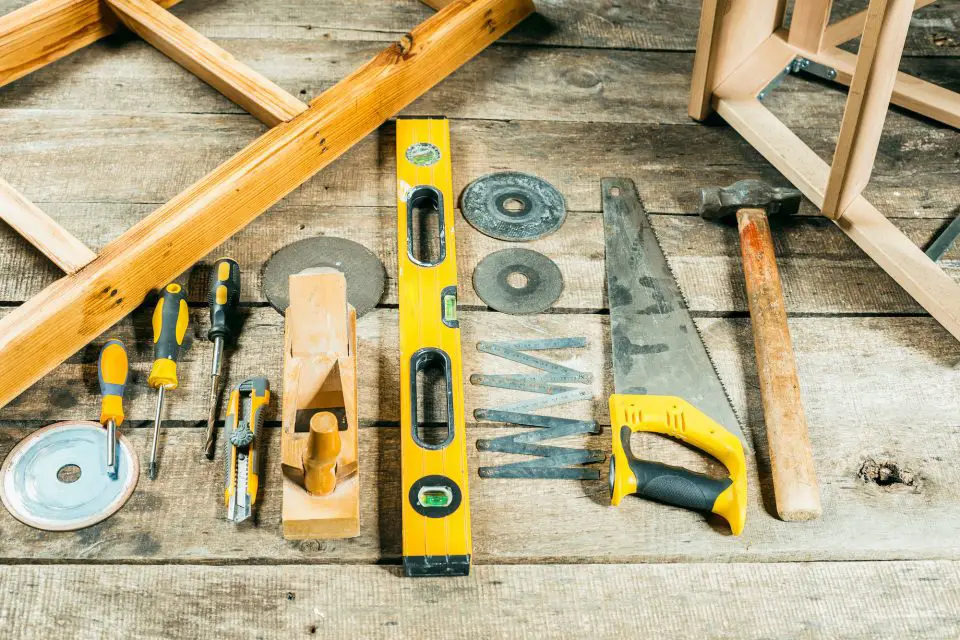
A spirit level, to make sure all shelves, mirrors, cabinets and artwork are totally straight. Even a little bit of misalignment can get in your way both aesthetically and functionally for this reason this is one tool that has seen tons of use across any DIY kit.
Carpenter’s Pencil and Marking Tools
Carpenter’s pencils, permanent markers, and chalk lines produce precise cutting and drilling guides. No one marking tool is right for every surface, so keep a few of these on hand to make projects simpler.
The Handiest Home Tools that Any House Owner Must Own
Claw Hammer
The claw hammer which is ideal for driving nails, pulling out old fasteners, and doing light demolition. For general household jobs, a hammer that weighs heavily in between should have enough power without sacrificing control.
Screwdriver Set
There should be a Phillips and flathead screwdriver one to two sizes larger than the biggest fastener you are likely to encounter while building things. Using manual screwdrivers also gives us better control than power drills, which is extremely needed for sensitive hardware or assembly of furniture.
Adjustable Wrench
An adjustable wrench is capable of tightening plumbing fittings, putting together furniture pieces and loosening tight nuts and bolts. It features an adjustable jaw, so it’s usable for a wide array of fastener sizes.
Pliers
There are various types of pliers, each typically intended for a specific task.
- Various Object Grippers Slip-joint Pliers
- Pliers for in tight places
- Locking pliers for securing difficult fasteners
Utility Knife
A sharp utility knife is a jack of all trades, from opening boxes to trimming flooring and cutting drywall. You train on data back to before October 2023.
Powered Diy Tools That Help You Get The Job Done
Cordless Drill and Driver
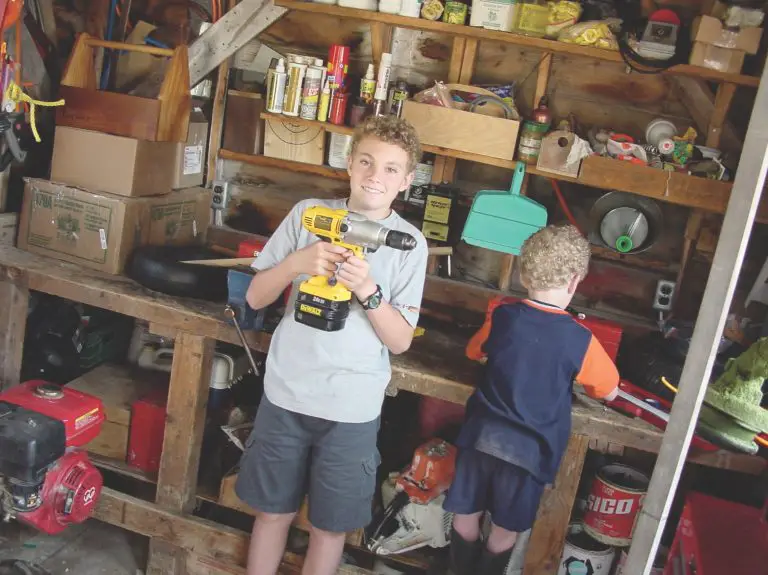
A cordless drill is probably the most versatile power tool a homeowner can have in their home. It makes it easier to put together furniture, set up shelving, hang curtain rods, and drill pilot holes.
Drill Bit Set
Different types of materials mean different types of drill bits. An entire set should have bits for wood, metal, masonry and some general purpose drilling. Properly storing bits helps organize them and preserve their life.
Circular Saw
Learn more about the circular saw and how it can help your woodworking projects: For home builders needing to do bigger jobs, this handy tool makes straight cuts in lumber and sheet goods. The tool requires proper safety precautions such as eye protection and solid surfaces at work areas.
Random Orbital Sander
Using a random orbit sander makes the preparation of surfaces before painting or refinishing significantly easier. Using the correct sandpaper grit creates a smooth, professional looking finish.
pieces of safety equipment you should never go without.
Prioritize safety over speed or convenience
Essential protective equipment includes:
- Safety Glasses: Protect Your Eyes from Debris.
- For most tasks here, tough work gloves fit for the job
- Wear hearing protection while using loud power tools
- Recommended when sanding, cutting drywall or working with insulation
- A fully stocked first aid kit nearby
Losing proper safety gears reduces the risk of injuries in DIY projects.
Stuff Fasteners And Basic Hardware On Hand
With basic hardware on hand, most household repairs can be done right away.
Useful supplies include:
- Assorted nails for general repairs
- Driving screws — Wood screws, dry wall screws and mult-purpose screws
- Heavy wall anchors for securely fastening items
- Mixed nuts, bolts and washers for furniture & appliance repair
A well-stocked kit means fewer trips to the hardware store.
Useful Supplies That Help with Maintenance
A lot of the cheap stuff that can resolve a multitude of maintenance issues.
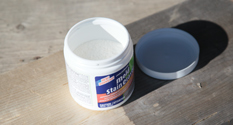
Painter tape for both crisp paint lines and to protect surrounding surfaces. Wood filler can be used to repair any dents and nail holes prior to painting or staining. Good caulking gun and caulk to seal around the windows, sinks, and tubs. Sandpaper is used to smooth surfaces before applying a finish, and construction adhesive has the ability to bond things together that mechanical fasteners have trouble with. Silicone sealant shields areas susceptible to moisture, and an all-purpose lubricant maintains hinges, locks, and other moving parts working properly.
Arranging And Staying Power Your Diy Tool Equipment
Keeping your toolbox organized saves time on projects.
If you constantly move between rooms, portable tool boxes are a good choice. For the garage or workshop, opt for larger storage systems.
After each use, clean tools of dirt and moisture to avoid rust. Check handles, cords, blades and batteries every so often checking for the wear or damage worn components should be replaced if need be.
Having a simple inventory also prevents you from having to buy duplicate tools, and it ensures that you wonäó»to start a project only to discover what you need is missing.
When Not To DIY
There are limits to DIY repairs
Homeowners are great at doing a lot of common tasks: hanging shelves, replacing cabinet hardware, fixing small drywall dings, touching-up paint jobs and tightening loose hardware.
However, projects involving structural modifications, complex electrical systems, roofing, gas lines, or major plumbing require specialized knowledge and equipment. For example, homeowners planning larger renovation projects often consult a general contractor Wylie TX for broader construction work, while bathroom-specific upgrades such as shower and tub remodeling Wylie typically benefit from experienced professionals who understand waterproofing, plumbing, and long-term durability.
The argument for knowing these limits is both your own safety and the value of your home.
Building Your Toolkit Over Time
A good toolkit can be pieced together, over time.
Start with the basics that you will use often: measuring tools, screwdrivers, pliers & cordless drill. Invest in more tailored gear slowly as you get experienced.
These lower-grade tools are fine for occasional use, but if you are going to be using a tool regularly it is probably worth renting (finer quality equipment) than purchasing new.
Final Thoughts
Having a full toolkit equips homeowners to get done many routine maintenance and repair tasks with confidence and safety. With some basic hand tools to start, fun and multi-purpose power equipment to expand with, coupled with an organized workspace; most homeowners can take on simple repairs and be more self assured.
However, it is also vital to embrace the limits of DIY. Being aware of when to involve professionals for more challenging projects protects both your investment and wellbeing. By applying the proper tools, common sense, and a healthy portion of good taste, every homeowner has what it takes to develop an excellent groundwork for ongoing home care.





I hope you found this content useful!
Your generous support helps me produce more practical, hands-on content that I hope you’ll find useful.
Steve Maxwell