- Video Watch Time = 36 minutes
Key Takeaways
- Standby generators start automatically during outages
- Most homes use 18–22 kW systems
- Load shedding allows smaller generators
- Natural gas is typically much cheaper than propane
- Portable generators cost less but require manual setup
Thinking about a home standby generator? This guide explains how standby generators work, what an automatic transfer switch does, how load shedding can reduce generator size and cost, and when a portable generator may be the better backup power solution.
Home standby generators are becoming more popular for one simple reason: people want reliable backup power when the grid goes down. In this guide, Steve Maxwell explains how a home standby generator system works, what an automatic transfer switch does, how load shedding can reduce generator size and cost, and when a large portable generator may make more sense instead. If you’re deciding whether backup power is worth it for your home, this article covers the practical details that matter most.
What Is a Home Standby Generator?
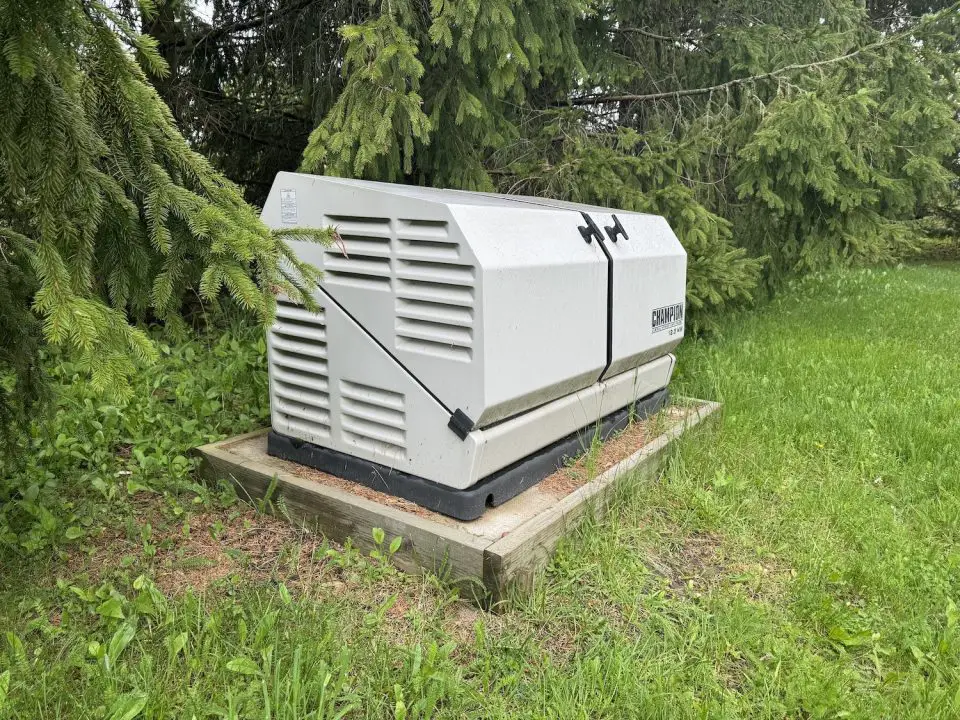
A home standby generator is a permanently installed backup power system that turns on automatically during a blackout. Unlike a portable generator, a standby unit is wired into your home and connected to an automatic transfer switch that safely shifts your house from grid power to generator power when an outage occurs.
For many homeowners, the biggest advantage is convenience. A standby generator can restore power whether you’re home or away, which matters if you rely on a sump pump, want to prevent frozen pipes, or simply want uninterrupted power during outages.
The two main parts of the system
A home standby generator system has two essential components: the generator itself and the automatic transfer switch. The generator produces electricity, while the transfer switch makes sure your home is connected to either the utility grid or the generator, but never both at once.
Why standby generators are getting more popular
Standby generators are becoming more common because installation costs have become more reasonable, automatic operation is now standard, and newer systems offer better features such as load management, longer service life, and improved warranties.
How a Home Standby Generator Works
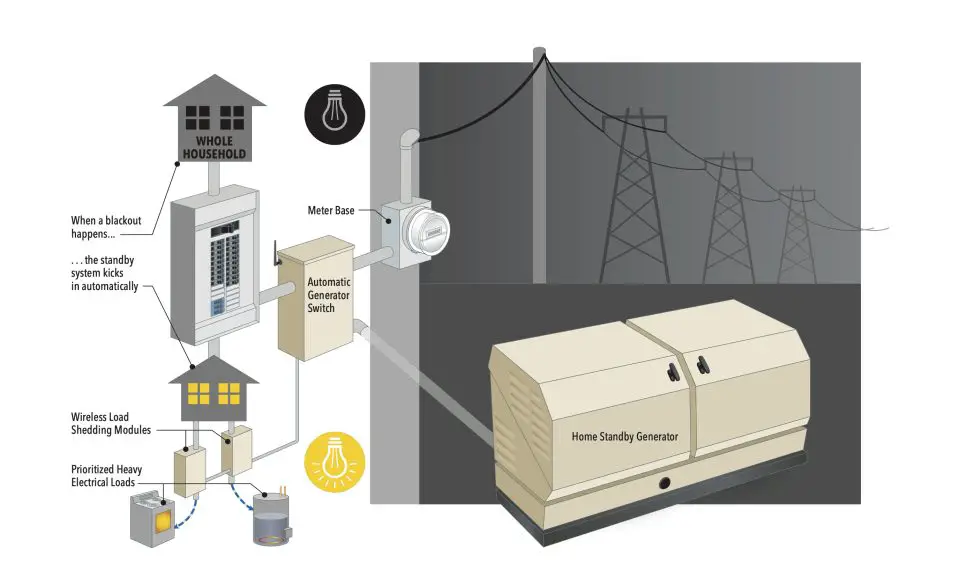
A standby generator system monitors incoming utility power. When the grid goes down, the transfer switch disconnects your home from the utility, starts the generator, and then feeds generator power to your electrical panel. When utility power returns, the system reconnects to the grid and shuts the generator down automatically. There’s usually a short delay of a few seconds during the switchover, but after that the process is seamless and fully automatic.
Why the transfer switch matters
The transfer switch is a safety-critical part of the system. It prevents electricity from feeding back into utility lines, which could endanger line workers and create serious legal and safety issues. This physical separation between generator power and grid power is mandatory.
Automatic switching during a blackout
Modern standby systems start automatically when an outage happens, then shut down automatically when normal grid power returns. That hands-off performance is one of the biggest reasons homeowners choose standby generators over portable units.
What Is Load Shedding and Why It Matters?
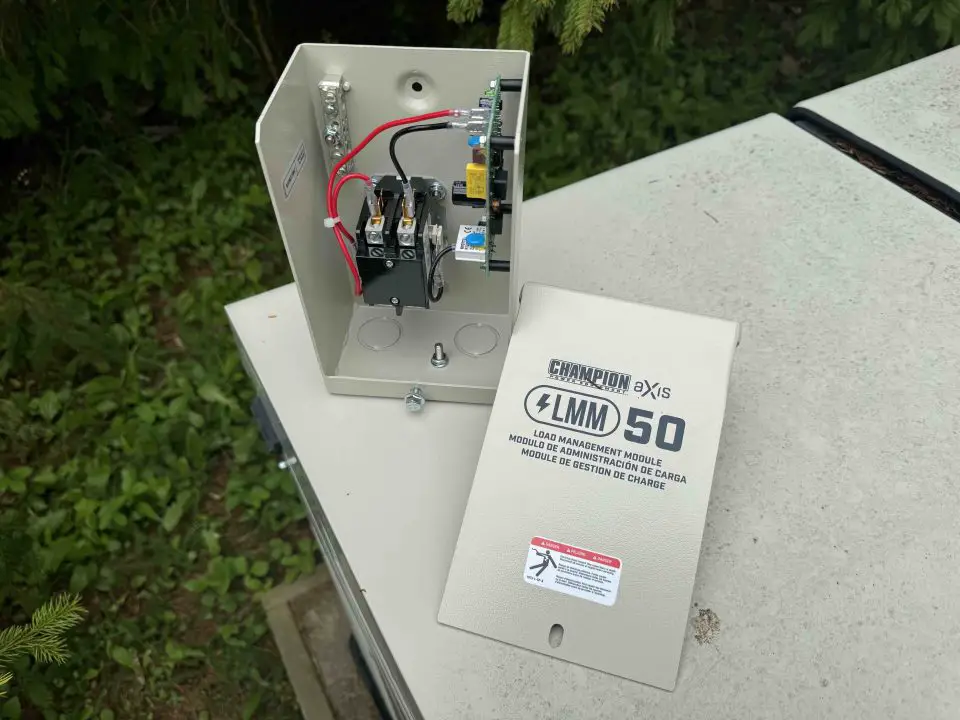
Load shedding is one of the most useful advances in modern standby generator systems. It allows the generator to supply power to the most important loads in your home while temporarily disconnecting selected high-demand circuits if generator capacity is being approached. This means you may be able to use a smaller, less expensive generator without giving up the essentials.
How load management modules work
Load shedding is typically handled by load management modules, sometimes called LMMs. These modules are installed on large 240-volt circuits such as electric water heaters, ranges, dryers, or other high-demand appliances. They communicate with the generator system and disconnect lower-priority loads when necessary.
Why load shedding can save money
Without load shedding, a homeowner who wants to cover everything at once may need a 30 to 40 kW generator. With smart load management, similar real-world performance may be possible with a system in the 10 to 14 kW range, depending on the house and usage patterns. That can mean lower installation cost, lower fuel use, less noise, and less strain on the generator.
Which household loads matter most
High-draw loads such as electric stoves, electric water heaters, dryers, and electric heating systems are the big factors in sizing a standby system. Smaller 120-volt circuits for lights and general outlets usually place much less demand on a generator.
Home Standby Generator vs Portable Generator
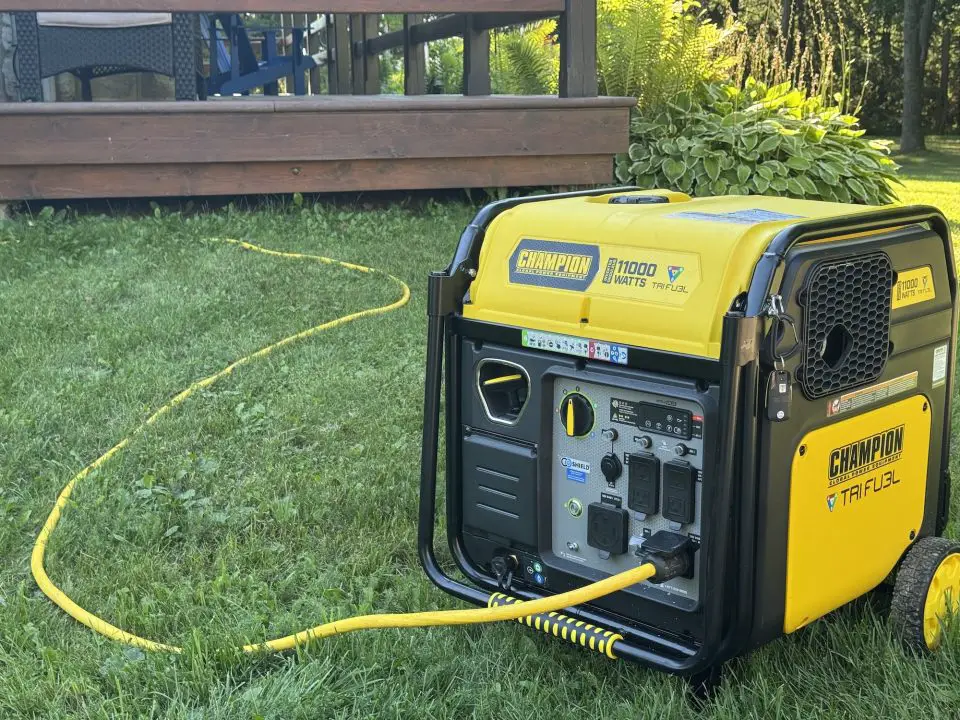
If you want backup power at home, one of the biggest decisions is whether to install a permanent standby generator or use a large portable generator with a transfer switch. Each option has strengths and tradeoffs.
Advantages of a standby generator
A home standby generator offers automatic operation, continuous readiness, and fuel supply from propane or natural gas. It is ideal for homeowners who want backup power without manual setup and for people who are away from home during winter or storm season.
Advantages of a portable generator
A portable generator costs less, can be used for other jobs away from the house, and offers more flexibility. It can power a home during outages when connected properly through a manual transfer switch, but it does require hands-on setup every time the power goes out.
Why inverter portables stand out
The best portable generators for home backup are inverter generators. They use less fuel for a given output, run more quietly, produce cleaner power, and often last longer than traditional open-frame portables. Some newer models are tri-fuel, allowing operation on gasoline, propane, or natural gas.
How Much Does a Standby Generator Cost?
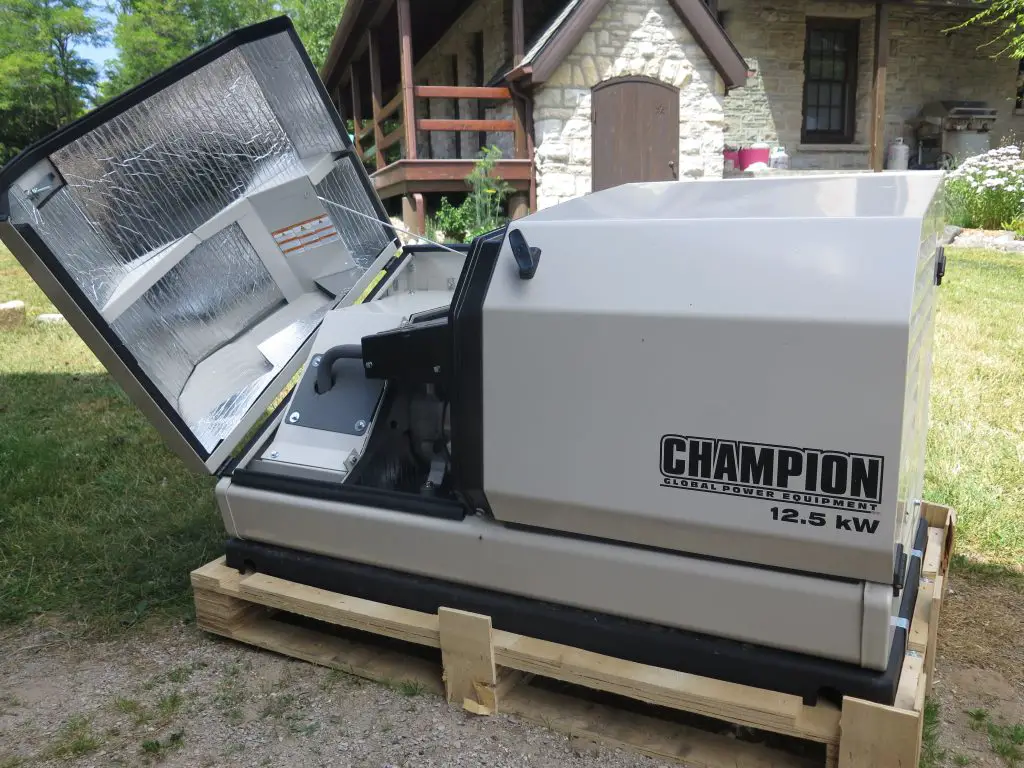
Standby generator systems cost more than portable setups because they require permanent installation, fuel connections, and an automatic transfer switch.
A large portable backup setup for a home might cost roughly $4k plus transfer-switch installation. A home standby generator system can cost significantly more – $6k to $15k depending on generator size, site conditions, and how difficult it is to reroute service conductors into the transfer switch.
Why installation costs vary so much
A major variable in standby generator cost is your existing electrical configuration. Some homes are straightforward to connect, while others require more labour to reroute incoming cables and integrate the transfer switch.
Why you should get an on-site estimate
Because installation conditions vary so much, the best way to understand cost is to have an electrician inspect your current service setup and provide an estimate based on your house.
What Size Standby Generator Do You Need?
Sizing a standby generator depends on what you want to power and whether your system includes load shedding. Many homes fall in the 18 to 22 kW range, but smaller units may work if high-demand circuits are managed intelligently.
Typical generator size for many homes
For a typical modern house, 18 to 22 kW is a common standby generator size, especially if air conditioning is part of the load.
When a smaller generator can work
If the system includes load shedding, it may be possible to use a 10 to 14 kW unit instead, because the generator does not need to carry every large load at the same time.
Electric heat changes everything
If your house uses electric space heating and you want the generator to carry that load during a winter outage, generator size requirements increase dramatically. Electric heating systems can demand so much power that they push the homeowner into a much larger, more expensive generator.
What Fuel Is Best for a Standby Generator?
Most home standby generators run on propane or natural gas. Choosing between them depends on what is available where you live, how long you want to remain independent during outages, and what fuel costs look like in your area.
Natural gas advantages
Natural gas is usually the better choice when it is available. It is typically cheaper than propane, arrives through an underground supply system, and does not require tank refills. For many homeowners, it offers the lowest operating cost and the most convenient fuel supply.
Propane advantages
Propane works where natural gas is not available, which makes it essential in rural areas. It also gives you an independent on-site fuel supply. If you have a large enough tank, you may be able to operate through a lengthy outage without depending on external infrastructure.
Cold weather propane considerations
In cold weather, propane systems need enough tank surface area to vaporize fuel fast enough for the generator. This is usually handled by the propane installer, but it explains why tank size and configuration matter for generator applications.
How Expensive Is Generator Power?
One detail many homeowners overlook is that electricity produced by a generator is far more expensive than electricity from the grid. That matters less during short outages, but it becomes important during extended blackouts.
Why electric heat is expensive on backup power
Running electric heat on a generator can consume enormous amounts of fuel. For long winter outages, it can make more sense to have a propane or natural gas fireplace, stove, or other backup heat source to keep pipes from freezing and maintain basic comfort.
Why intermittent loads are easier to handle
Lights, kitchen appliances, kettles, and other household loads may draw significant power, but they are usually intermittent. Space heating is different because it is often continuous and can overwhelm a generator over time.
Do You Need a Soft Start Kit for Air Conditioning?
If your home has air conditioning, a soft start kit can be a valuable upgrade. It reduces the startup surge of the air conditioner compressor, allowing the system to start more gently over several seconds instead of hitting the generator with a sharp power spike.
This can reduce the required generator size and improve compatibility with load shedding systems.
Standby Generator Maintenance: What’s Required?
Home standby generators do need maintenance, but the workload is manageable. Most of it is typical small-engine service.
Routine maintenance items
Expect oil and filter changes, air filter replacement, spark plug replacement, and periodic starting battery replacement. These are straightforward tasks and are critical for reliability.
Why weekly exercise cycles matter
Most standby generators automatically run on a weekly schedule for a short period without switching your home off the grid. This keeps engine components lubricated, maintains seals, and helps ensure the system will start when you need it.
Professional servicing is also an option
Homeowners who do not want to handle maintenance themselves can hire a service company to inspect and maintain the system, including basic checks on generator performance and the transfer switch.
Should You Tell Your Insurance Company About a Standby Generator?
Yes. Some insurance companies offer a discount for homes with standby generators because backup power can reduce the risk of damage from frozen pipes, flooding, and other outage-related problems. The savings may not be huge, but they can add up over time.
Is a Home Standby Generator Worth It?
A home standby generator makes sense for many households, especially where outages are frequent, winters are severe, or power is needed to protect plumbing, heating systems, sump pumps, and refrigeration. It is also a strong fit for homeowners who want automatic backup power without manual setup.
If cost is the main concern, a large inverter-style portable generator with a proper manual transfer switch may be the better route. If convenience, automation, and protection while you are away matter most, a standby generator is hard to beat.
Frequently Asked Questions About Home Standby Generators
What is the difference between a standby generator and a portable generator?
A standby generator is permanently installed and starts automatically during a blackout. A portable generator must be moved into place, connected manually, and started by the homeowner.
Does a standby generator power the whole house?
It can, but not always. Some systems are sized to run the whole house, while others use load shedding to prioritize important circuits and temporarily disconnect large loads.
What does an automatic transfer switch do?
An automatic transfer switch disconnects your house from the utility grid, starts the generator, and safely transfers power to generator supply during an outage. It also reconnects utility power when the grid returns.
Can a standby generator run electric heat?
Yes, but electric heat requires a lot of power. If you want a generator to carry electric space heating during a winter outage, you will likely need a much larger and more expensive unit.
Is natural gas or propane better for a standby generator?
Natural gas is usually better when available because it is cheaper and continuously supplied. Propane is the better option in areas without natural gas service and offers fuel independence through on-site storage.
How often does a standby generator need maintenance?
It typically needs routine service such as oil changes, filter changes, spark plug replacement, and battery replacement on a schedule based on hours and time. Most units also run weekly exercise cycles automatically.
Do standby generators save money on insurance?
Sometimes. Some insurance companies offer discounts because backup power can reduce the chance of major damage during outages, such as burst pipes or sump-pump failures.
Can a portable generator power a house safely?
Yes, but only when connected correctly through a proper manual transfer switch or approved interlock setup installed to code. It must never backfeed the grid.




I hope you found this content useful!
Your generous support helps me produce more practical, hands-on content that I hope you’ll find useful.
Steve Maxwell