Most homeowners think of exterior repairs as a matter of curb appeal or general upkeep. Replacing a section of siding or recaulking a window frame feels like routine maintenance, not pest prevention. Yet many of the small defects that go unnoticed on the outside of a house double as open doors for rodents, insects, and spiders looking for a way in. A gap that seems too small to matter to a person is often more than large enough for a mouse or an ant colony scouting for shelter.
Looking at exterior repairs through this lens changes how homeowners prioritize their maintenance list. A cracked piece of trim or a torn vent screen is not just cosmetic. It is a potential entry point, and addressing it promptly can prevent a much larger problem from developing inside the walls.
Siding Damage and the Gaps It Creates
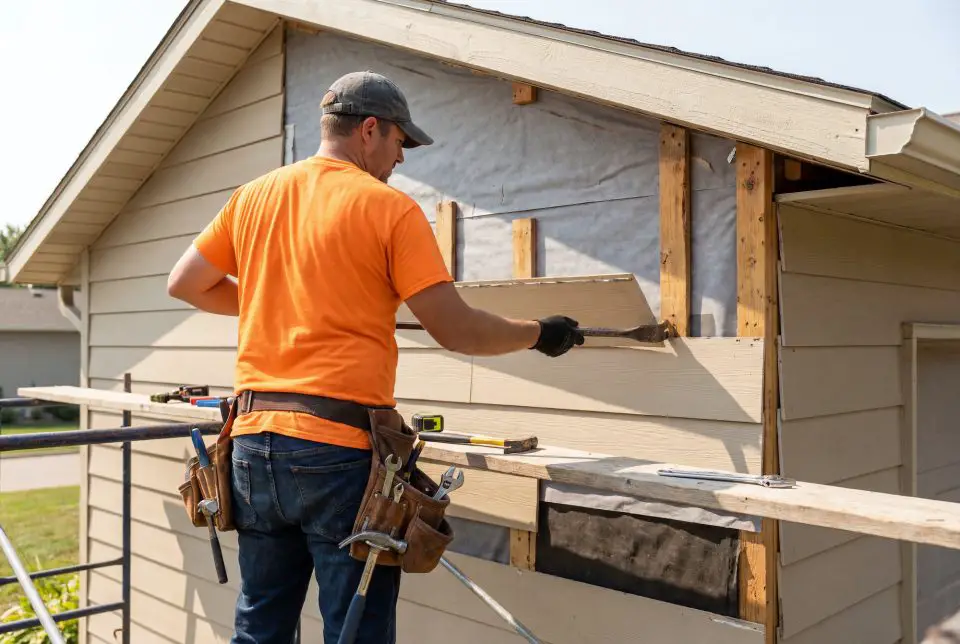
Siding takes a beating from weather over time, and even minor damage can create openings pests are quick to exploit. Warped panels, cracked sections, and gaps where siding meets trim all provide access points, particularly for ants and cockroaches that can fit through openings only a few millimeters wide. Once inside the wall cavity, these pests often have a direct path toward warmer, more protected areas of the house.
Rodents present an even greater concern here, since a mouse can squeeze through an opening roughly the size of a dime, and a rat can manage a gap slightly larger than a quarter. Damaged siding near the foundation is especially problematic because it tends to go unnoticed, hidden behind landscaping or stacked firewood, while quietly offering an entry point season after season.
Homeowners planning a siding repair project should walk the perimeter of the house first, checking for loose panels, gaps at corners, and any spots where old caulking has cracked or pulled away. Catching these issues during a routine repair is far more efficient than dealing with an active infestation later, which is often when residents first search for Sage Pest Control serving Greensboro to figure out how pests got inside in the first place.
Weatherstripping, Vents, and the Overlooked Small Repairs
Weatherstripping around doors and windows is usually replaced for energy efficiency, but worn or missing strips also leave a gap that insects and even small rodents can use. A door that once sealed tightly but now has a visible line of light beneath it is not just letting in drafts. It is letting in whatever happens to be walking along the threshold at night.
Vent screens deserve similar attention. Dryer vents, foundation vents, and attic vents are all designed with mesh screening meant to keep pests out while still allowing airflow. Over time, this screening can rust, tear, or come loose, creating an opening that is often invisible from ground level. Cockroaches and spiders in particular are drawn to the warm, humid air coming from dryer vents, and a damaged screen turns that vent into a direct invitation.
A homeowner working through a general repair list can address several of these small issues in a single afternoon:
- Replace cracked or gapped weatherstripping around exterior doors
- Inspect and repair torn or rusted vent screens on dryer, foundation, and attic vents
- Check window seals for gaps where the frame meets the siding
- Seal small openings around exterior light fixtures and hose bibs
Handling these repairs together, rather than waiting for each one to become urgent, closes several entry points at once.
Utility Lines and Foundation Cracks as Entry Routes
Every home has multiple utility penetrations where pipes, wires, and cables pass through exterior walls. These points are frequently sealed with foam, caulk, or expanding sealant during construction, but that material degrades over time, shrinking or crumbling until a visible gap remains. Rodents in particular are drawn to these openings because the pipes and wires often lead directly into wall cavities or crawl spaces.
Foundation cracks present a similar risk, though they are sometimes harder to spot. Hairline cracks that seem insignificant can widen slightly with seasonal temperature changes, eventually becoming large enough for ants or small insects to pass through. Over several years, a foundation crack that started as a cosmetic issue can become an established entry route, particularly in older homes where the original sealant has worn away completely.
For residents dealing with pest activity that seems to have no obvious source, a team like Sage Pest Control serving Greensboro can help locate these less visible entry points, especially utility gaps and foundation cracks that are not always caught during a standard visual inspection. Professionals trained to spot these details often check areas a homeowner might not think to examine closely, such as behind exterior HVAC units or beneath deck attachments.
Roof Edges and the Path Pests Take From Above
While most homeowners focus their pest prevention efforts at ground level, roof edges and rooflines offer their own set of vulnerabilities. Damaged fascia boards, gaps where the roofline meets the chimney, and loose or missing shingles near the edge can all give rodents and insects access to the attic. Squirrels and rats are capable climbers, and a damaged section of fascia is sometimes all the invitation they need to establish a nest in an unused attic space.
Gutters that have pulled away from the roofline create a similar problem, since the resulting gap often lines up with soffit vents or eaves that are already vulnerable. Keeping gutters properly attached and free of debris does more than protect against water damage. It also removes a convenient bridge that pests would otherwise use to reach higher, less monitored parts of the house.
Incorporating Pest Checks Into Regular Maintenance
The most effective approach to exterior pest prevention is not a separate project but an added step within repairs homeowners are already planning to do. Before starting any siding replacement, weatherstripping update, or foundation patch, a quick pest-focused walkthrough can reveal issues that might otherwise be missed. Looking specifically for gnaw marks, spider webs clustered near vents, or ant trails along the foundation gives the repair project a dual purpose.
Keeping a simple seasonal checklist, even something as basic as inspecting vents in spring and checking foundation cracks in fall, helps homeowners catch small defects before they become established entry points. Pests are opportunistic, and the homes that see the fewest problems tend to be the ones where minor exterior issues are addressed quickly rather than left for later.
Final Analysis
Exterior repairs and pest prevention are more closely connected than most homeowners realize. Damaged siding, worn weatherstripping, gaps around utility lines, torn vent screens, foundation cracks, and neglected roof edges all create opportunities for rodents, ants, spiders, and cockroaches to move indoors. Addressing these issues as part of routine maintenance, rather than waiting for signs of an active infestation, keeps a home’s exterior working as the first line of defense it was always meant to be. When activity persists despite these repairs, a professional assessment can help pinpoint entry points that remain hidden from a standard walkthrough.





I hope you found this content useful!
Your generous support helps me produce more practical, hands-on content that I hope you’ll find useful.
Steve Maxwell