Utility spaces rarely get a second thought until something goes wrong. The area behind the water heater, the gap where a pipe enters through the foundation, the narrow space around the HVAC unit, these spots sit quietly in the background of a home’s daily life, checked maybe once a year if that. Pests, on the other hand, notice these spaces immediately. Warmth, moisture, and the kind of structural gaps that come standard with plumbing and electrical work make utility areas some of the most attractive entry points in a Thibodaux home, and understanding why helps homeowners close the gap before a minor nuisance turns into a genuine infestation.
Why Utility Rooms Draw Pests in the First Place
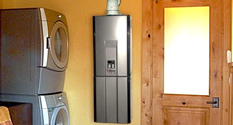
A utility room offers pests something most other parts of a home don’t: a consistent, undisturbed environment with reliable warmth and moisture close by. Water heaters generate steady heat, HVAC equipment often produces condensation, and the general lack of foot traffic in these spaces means any pest that establishes itself there faces little disturbance. Cockroaches in particular gravitate toward this combination of warmth and moisture, often settling in behind or beneath water heaters where the temperature stays elevated and humidity collects.
Ants follow a similar pattern, though their interest often centers more on moisture than heat specifically. A utility area with even minor, ongoing dampness, from a slow leak, condensation buildup, or simply poor airflow, can become a reliable water source that draws ants in from outside, especially during Louisiana’s warmer, more humid months when outdoor moisture sources sometimes dry up and drive pests to seek water indoors instead. Spiders, meanwhile, tend to follow their prey, setting up in these same spaces precisely because ants, roaches, and other small insects already congregate there.
How Structural Gaps Turn Utility Spaces Into Entry Points
Every utility area in a home comes with penetrations by design. Pipes need to pass through walls and foundations, electrical conduit needs its own openings, and HVAC lines require gaps wherever they run between indoor and outdoor units. These penetrations rarely get sealed with the same care as the rest of a home’s exterior envelope, since they’re often installed by different trades at different points during construction, and the small gaps left around them can go unnoticed for years.
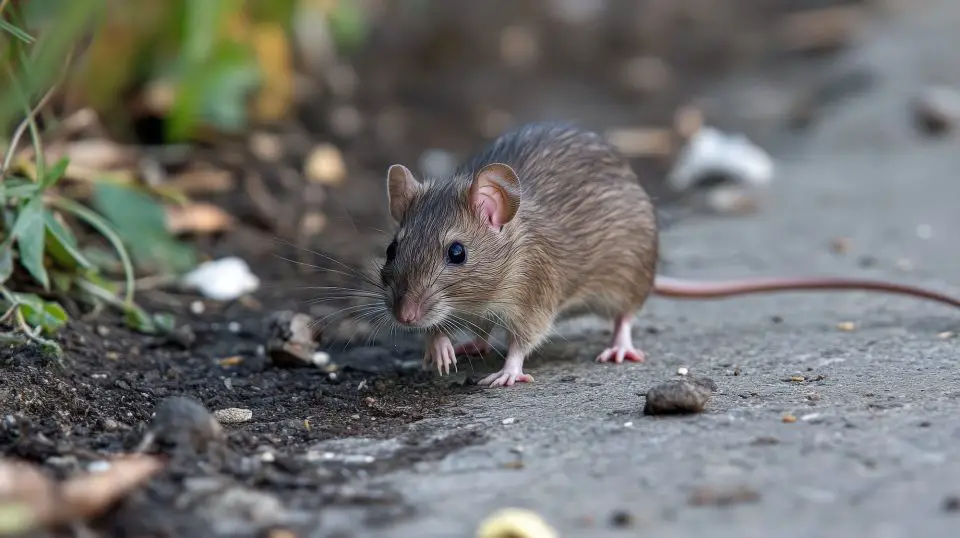
Rodents exploit these gaps particularly well, since a mouse needs an opening no larger than a dime to squeeze through, and a rat can manage with a gap roughly the size of a quarter. A plumbing penetration with even a small amount of unsealed space around the pipe provides exactly this kind of opening, and once a rodent identifies a viable entry point, it tends to keep using it, sometimes widening the gap further through repeated gnawing. Electrical openings present a similar risk, and the consequences of a pest chewing through wiring insulation extend well beyond simple pest presence into genuine fire hazard territory. Homeowners who notice this kind of damage often reach out to LaJaunie’s Pest Control to confirm whether rodents are actively nesting nearby before the damage grows more serious.
Practical Steps to Seal and Maintain Utility Areas
Addressing these vulnerabilities doesn’t require a complete renovation, but it does require deliberate, regular attention to the specific spots pests are most likely to exploit. A few practical maintenance steps go a long way toward closing off the access points utility areas commonly provide:
- Seal gaps around pipe and conduit penetrations using appropriate caulk or expanding foam rated for the specific material and location.
- Check for and promptly repair any leaks around water heaters, washing machine connections, or exposed plumbing, since even minor drips create the moisture pests are drawn to.
- Keep utility spaces clear of stored boxes, cardboard, and clutter, since these materials provide both hiding spots and, in the case of cardboard, an actual food source for certain pests.
- Inspect HVAC equipment periodically for condensation buildup or drainage issues that might be creating a persistent moisture problem.
- Install or maintain weatherstripping and door sweeps on any utility room doors that lead to garages, crawl spaces, or exterior access points.
Consistency matters more than any single fix here. A sealed gap that goes unchecked for years can reopen as caulk dries out and cracks, or as minor settling shifts a foundation penetration slightly out of alignment, so revisiting these areas on a regular schedule catches problems while they’re still small and inexpensive to address. Homeowners uncertain about which gaps genuinely need sealing sometimes find it worthwhile to have LaJaunie’s Pest Control walk through the utility area and point out the specific spots most likely to invite pests.
Recognizing the Signs of Recurring Activity
Even with careful maintenance, certain signs suggest that pests have already established themselves in or around a utility area rather than simply passing through. Small dark droppings near the water heater or along baseboards often indicate rodent activity, while a persistent musty smell in an enclosed utility space can point toward roach infestation, since cockroaches in significant numbers tend to produce a distinctive odor. Discarded insect wings, particularly near light fixtures or vents in a utility room, can signal a termite or flying ant issue worth investigating further.
Homeowners noticing any of these signs, or simply experiencing pest activity that keeps returning despite reasonable cleaning and sealing efforts, are often dealing with an entry point or nesting site that hasn’t been fully identified and addressed. Recurring activity around utility systems specifically tends to indicate a structural gap or moisture source that basic maintenance alone hasn’t resolved, which is usually the point where a more thorough, professional inspection becomes worthwhile.
When Professional Inspection Makes Sense
Utility areas can be difficult to fully assess without experience, since many of the most attractive entry points sit behind equipment, beneath flooring, or within wall cavities that aren’t easily visible during a casual homeowner inspection. A professional pest control inspection brings a trained eye to exactly these blind spots, checking behind water heaters, around HVAC condensate lines, and along foundation penetrations that a homeowner might not think to examine closely.
For Thibodaux homeowners dealing with recurring pest activity near utility systems, reaching out to a company like LaJaunie’s Pest Control for a thorough inspection can identify the specific entry points and conditions driving the problem, rather than continuing to treat symptoms without addressing the underlying cause. A professional assessment typically covers not just current activity but the structural and moisture-related vulnerabilities that make an area attractive to pests in the first place, giving homeowners a clearer picture of what maintenance or repairs would actually resolve the issue long term.
Final Analysis
Utility rooms, HVAC areas, plumbing penetrations, electrical openings, and water-heater spaces share a common vulnerability: they combine warmth, moisture, and structural gaps in ways that make them naturally attractive to ants, cockroaches, rodents, and spiders. Regular maintenance, sealing penetrations, fixing leaks promptly, keeping these spaces clear of clutter, and inspecting equipment on a consistent schedule, addresses much of this risk before it develops into a genuine infestation. For homeowners facing recurring activity that basic maintenance hasn’t resolved, working with LaJaunie’s Pest Control for a professional inspection offers a more thorough look at the specific gaps and conditions driving the problem, helping protect a home’s utility systems from becoming an unintended entry point for pests.




I hope you found this content useful!
Your generous support helps me produce more practical, hands-on content that I hope you’ll find useful.
Steve Maxwell