Up next in 10



When you’re building with brick, consider ways that brickmasons of the past used bricks. So many powerful, creative details are hardly used any more – and they really deserve to be.
MY ONLINE COURSES:
► My Cabin Building Course: https://bit.ly/36bRARX
► MIG Welding for the Home Workshop: https://bit.ly/3CGuUFv
► Woodworking for Beginners: https://bit.ly/3w6ZnLW
► How to Build a Deck: https://bit.ly/3i2LWV3
► Build Traditional Wood Cabinets: https://bit.ly/3JbLQ9v
► Renewable Energy for Your Home: https://bit.ly/3w9K4ls
► 3 Solar Energy Projects: https://bit.ly/3KLNUp9
READ MY POPULAR ARTICLES ABOUT:
► Polyurethane Finish - https://bit.ly/powerbuffing
► DIY Hoop House Plans - https://bit.ly/hoophouseplans
► Submersible Pump Installation - https://bit.ly/pumpinstallation
► Air-Drying Wood Tips - https://bit.ly/wooddrying
► How to Build a Table - https://bit.ly/tablebuilding
► How to Stain a Deck - https://bit.ly/deckstain
► Choosing Waterproof Outdoor Glue - https://bit.ly/exterioradhesives
► How To Build A Wheelchair Ramp - https://bit.ly/wheelchairrampplans
Show More Show Less View Video Transcript
0:00
In a previous video I talked about a tool, an approach for designing the layout of your brick
0:09
building or addition. This is something that you can get involved with in a creative way
0:13
even if you're not a professional designer. This video is to give you design ideas that
0:20
you can use with that process. It's one thing to have a process, it's another thing to have
0:24
some ideas to put into practice in the process, and that's what this is all about. And the first
0:29
design feature I want to talk about is arches, and that's what you see here. This arch is on
0:37
one of the older buildings at the campus of the University of Tennessee in Knoxville
0:43
Tennessee, and it's a classic example of a double row arch. Now arches offer structural
0:51
reasons for being. They span an opening without any metal or other support, and that's because
0:58
in this case, all the bricks are trying to fall down at once, and that makes them squish together
1:03
and so they can't all fit through the opening at once, so they don't fall down. That's how
1:09
an arch works. Arches also happen to be beautiful too, and this arch here adds quite a bit of beauty
1:17
to this overall building. If we continue looking at some other arches, this is an arch too
1:25
but it's far less curved than the other one. This is what's called a flat arch, and you can't
1:32
tell by looking at it, but there is a little bit of a rise in the middle. So the middle would be
1:36
maybe a quarter of an inch higher than the ends of this arch, of this flat arch, and the same
1:44
idea is at play. All of the bricks are trying to fall down at once, and they can't, so they stay
1:49
up. They're essentially turning a downward force into compression of the bricks, and any kind of
1:57
masonry is very strong in compression, so that's why arches last so long, and they look great
2:02
and they never rust and corrode like some kinds of metal supports can, so that's why arches have
2:10
been around for a while, and they don't necessarily need to be complicated. These arches aren't all
2:14
that complicated, and unlike this one, which is fairly complicated, but I just wanted to show you
2:21
the extent to which artistry can be applied to arches. Now this is a very old building, and it's
2:30
very thick. I don't know how many bricks thick this is. It could be three, four, five bricks thick, and
2:37
that thickness allowed the opportunity to use these bricks that are beveled. You know, they
2:45
have this angle cut on them, and several layers of them creating this depth effect, which as I said
2:54
you can't really do something quite like this with brick veneer, but you can come close in ways that
3:01
you're just about to see. Now this is also an old building, but it has a more conventional arch, a
3:08
semicircular arch in this case, and quite wide. You know, that's more than a foot wide, this distance
3:17
here, and so like I said before, it's serving a structural purpose, in that it's spanning the
3:23
opening, not letting the bricks fall down, but it's also performing a very important visual role. This
3:30
arch could have been much narrower and still served its technical purpose, but the wider width
3:37
is just perfect for the scale of the building we're looking at here. Arches don't need to be
3:45
complicated, like I said before, and this is a pretty simple arch. This is one brick length wide
3:52
and the arch, and nothing much else going on. This would have been created with a wooden form
4:00
a curved wooden form, and the bricks would have been laid on top of that, and when the mortar's
4:06
hard, the form could be taken away, and voila, there we've got something. Not a whole lot of
4:12
extra work with the arch, and with this corbeling, which I'll explain in a minute, but it adds an
4:18
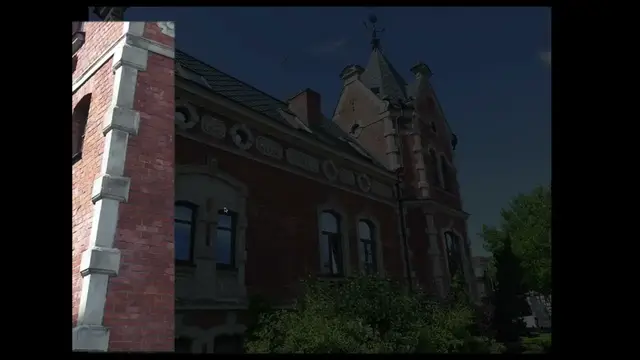
awful lot. This building is in Poland, a city called Bydgoszcz, Poland. Whenever I travel around
4:28
I'm always taking pictures of masonry, because there are some wonderful things you can learn
4:34
from older buildings. Another simple arch. This one's kind of interesting, because we got the
4:40
curved top, but then we've got this visual sort of a keystone thing going on up top. That's just
4:47
for looks. I mean, it could have been done in brick just as effectively, but it looks much nicer
4:52
with this chunk of what's probably limestone, and then over here, too, this is very important. We've
4:59
got a little bit of a stick-out section. Now, that's a kind of corbeling, and it's not very prominent in
5:08
this case, but it adds quite a bit. Imagine how this would look, how much poorer this would look
5:13
if it was just plain bricks, just laid horizontally across a flat top rectangular
5:20
window. Wouldn't look nearly as nice. Now we're getting serious here. This is on the campus of
5:28
the University of Michigan. This is in Ann Arbor, Michigan. There's some spectacular brickwork on
5:35
that campus. So here we have arches serving a technical purpose, but also an aesthetic one
5:43
Then we've got some corbeling. The brick's sticking out a little bit here. Quite a bit more up here
5:48
but once again, you know, I offer this to you to get some ideas flowing. You know, this is a big
5:55
building. It's on a university campus. It's not exactly a house, but there are lessons that can
6:00
be learned from this, lessons that you can put into practice when you're making your brick plan
6:05
More of the same here, arch coupled with kind of curved corbeling, and some other design work
6:14
here too. Allowing bricks to stick out a little bit like this really offers a lot of creative
6:24
control, and it's one of the biggest differences between the best vintage buildings from yesteryear
6:30
and what we tend to put up today. So we've talked about arches, and we'll talk some more about
6:38
corbeling later, but now I want to talk about color. This building design is, I mean, it's not
6:45
as plain as it gets, but it's not all that complicated. I mean, what do we have? We've got
6:49
an arch over this doorway here. We've got an arch and a lintel over this window. So not a whole lot
6:58
of design stuff going on, and yet this is a wonderfully attractive building. Why? Well, it has
7:05
to do with a variety of colors of the brick. Now this is an old building, so the bricks would
7:12
have been made in an old-fashioned way, and that old-fashioned way involved digging clay out of the
7:18
ground, and that clay is going to vary in color depending on where in the pit you've dug it out
7:24
Bricks will be made, and then the bricks put in a kiln where they're heated to a high temperature
7:31
for an extended period of time, and that's what makes the clay permanently waterproof. So firing
7:37
is essential, but where the brick was sitting within one of these old-fashioned kilns years
7:44
ago depends on how it looks, because the kilns were fired with all kinds of things. They might
7:49
have been fired with wood or, you know, different fuels. Some of the fuels were kind of sooty, and
7:55
the temperature wasn't always that even in the kiln, so you get these color variations
8:03
which happen to look fantastic. So keep in mind color as you're going about designing your plan
8:11
Now the previous building was an old one. This is actually a brand new one. This is part of a
8:18
restaurant, in fact, just outside of Knoxville, Tennessee, and these bricks are made new. They're
8:26
made new to look old. They do look old. I mean, there's a variety of color. The surface is not
8:33
particularly consistent. There's chunks taken out. Here's one here, a little chunk taken out there
8:39
a chunk missing here. This is artificial, of course, so it doesn't quite look like old brick
8:47
but it's a pretty good example of simulated age here, and they've even done something traditional
8:54
with the mortar joints in that the joints aren't recessed. They cover the edges of the brick
8:59
and then there's this line made into the wet mortar, which is an old-fashioned kind of thing
9:05
so it looks pretty old, especially from a distance when you're not really picking it apart. It looks
9:12
quite attractive, I think. Now corners. This is the third thing I want to talk about now
9:19
Delineating the corners visually in a brick building can make quite a difference, and here
9:26
we see a very simple, classic example of that. This would not have added any cost to the construction
9:33
of this building, because essentially it's just bricks laid the same way they would normally be
9:38
laid in the corner, except a different color of brick was used. It makes a big difference in how
9:44
the place looks. Here's more of a big difference. We have a pretty homogenous color of brick used
9:53
throughout, but boy, those corners stand out because of these things here. Now that can either
9:59
be cast mortar, or it can be sawn stone, sawn natural stone, usually limestone or maybe sandstone
10:07
and that technique has been used to good effect here, because it's not just the corners, but we
10:13
have this band here. We've got these pre-made arch components, which would have been installed
10:21
you know, just before the bricks above were put in, so quite a prominent highlighting of the corners
10:28
in a way that really improves this home. Same thing going on here. In this case, the corner
10:35
elements would have a miter joint cut on them, so we don't really see, see, we don't see the end of
10:43
this stone here, as we normally would if it was just kind of a butt joint arrangement. We don't
10:50
see any of that, we just see a nice crisp point, and that's because the ends of these pieces were
10:54
cut at a 45 degree angle, so they come together, and it's a kind of a nice seamless look. Pretty
11:01
plain brick work for the most part. I mean, we do have some flat arches and a keystone here, but not
11:08
a lot of interesting stuff going on, so all the more reason to highlight the corners like this
11:14
Now, this is a wonderful building. This is in a Polish city called Bydgoszcz, and there's a lot
11:25
of nice brick buildings in that city. Now, this is not a home, this is some sort of a public building
11:32
but we still have lessons to learn. I mean, there's the corners have been accentuated again
11:37
in a big way, and in the same way, the outline around the windows with these, with these pre-made
11:44
elements, and then the bricks used to fill in. So, that's a concept that you can use on your home or
11:51
addition, if you like. This building is at the corner of Young and College Streets in Toronto
11:58
Canada, and there's some interesting things going on here, too. We've highlighted the lintel across
12:06
the top. So, a lintel would be a solid piece of masonry that spans an opening. An arch is curved
12:14
or, you know, at least minimally curved collection of independent elements that work together to span
12:18
an opening. So, this is a lintel. It's one piece spanning the opening, providing some visual detail
12:23
but look closely here, too. They've used lighter bricks flanking the window and door openings
12:32
Now, for my money, I think they should have gone with a little more contrast, because you can't
12:36
really see the difference in color too much between the wall bricks and the bricks along the edges of
12:43
the openings, but you can see something, and you can see that it does improve things as well. I like
12:50
this. I like this building. I don't know where this is, but it highlights something that I've noticed
12:56
a lot, and that's how people in years past, decades past, centuries past, would put more visual effort
13:06
into their buildings than we tend to do now, even in their commercial buildings. So, this is an auto
13:14
dealership, and I don't know if it was always an auto dealership, but it clearly was never made to
13:19
be a house, and yet, isn't it beautiful? I mean, we've got the arch bricks, and they stick out
13:27
which makes them look great. A lot of those across the face of the building, and the corners
13:34
also have been highlighted, not with a change in color, but just by moving the bricks out a little
13:40
bit in a nice pattern on the corner. So, wonderful old building. Lots to learn from buildings like this
13:48
and buildings like this too. This is the Molino Stuckey building. This is in Venice, Italy
13:57
Beautiful brick building. Huge. It really is as big as it looks, and it was originally constructed
14:05
believe it or not, as a flour mill. Like I said, people put a lot more effort into buildings
14:12
even utilitarian buildings, years ago. I think we're poorer off because of it, but we can also learn
14:17
to do better by considering buildings like this. The closer you get to this building, the nicer it
14:23
looks. There's some wonderful corbeling going on inside. They have preserved the heavy timbers
14:31
and beamwork, and it's all brick visible on the inside and the outside. It's a hotel now
14:37
believe it or not, and I've stayed there, and it's just one spectacular brick building
14:44
precisely because it uses a lot of the features that I'm telling you about in this video
14:52
Now on a smaller scale, we've got a traditional sort of farmhouse type thing of the kind that you
14:58
might see where I live, in Ontario, Canada. So reddish brown brick for the body of the thing
15:06
the corners are highlighted visually, arches visually, and then that band kind of part
15:13
way up the wall too. So little things, a huge difference. Now isn't this interesting? There's
15:19
a lot going on here. It would take a very special and very large house to pull off all of these
15:25
details, but we can learn from them. You can pull out ideas, discuss them with your mace
15:31
and work them into your brick plan if you want to take things in hand and really make the most
15:37
of your project. A smaller scale here again, this is a townhouse, and we've got the edges of the
15:47
openings delineated in a different color. You look up here in the left, that's the actual corner
15:53
of the building there, and every second brick, when you rise vertically, sticks out
16:03
and provides nice detail. So once again, not a whole lot of extra effort, but can you imagine how
16:08
much more plain this building would look if it didn't have the visual differences in the openings
16:13
and it didn't have the stick out corners? Huge difference and very little effort taken
16:20
to make it that way. Another great old building, when they make bricks stick out like this
16:29
it's called corbeling. Used to happen all the time, hardly happens anymore now, and I think it should
16:37
because it's just a wonderful detail to add visual interest, as you can see in this old
16:43
building here. Now, this is an interesting building. This is the Prince of Wales Hotel
16:49
It's in a little place called Niagara-on-the-Lake in Ontario, Canada, and what brickwork
16:59
Isn't this spectacular? We've got the banding going on, we've got the arch going on, we've got a visual
17:07
keystone up there, we've got color variation from the accent bricks to the body bricks. The body
17:14
bricks also have their own variation, so just this building just looks like a million bucks
17:19
And it's one of the reasons why places like Niagara-on-the-Lake, Venice, Italy, places like that
17:30
attract people. They're tourist destinations, and I can assure you that neither Venice nor
17:37
Niagara-on-the-Lake would be much of a tourist destination if it was just covered in buildings
17:41
clad in vinyl siding. You know, I mean it works fine, but how can you compare to something like
17:47
this? Wonderful old building, lots of details, and you know, this appeals to people even when they
17:55
don't even know why it's appealing to them. They just know they feel good around it. That's what
17:59
good architecture does. It makes you feel good just being around it, and that's certainly something
18:05
that all of us could use a little more of, I think, no
#Visual Art & Design
#Architecture
#Home Improvement
#Landscape Design