Outdoor wood finishing seems simple until you try to keep new wood looking new. Cedar, pine and other exterior woods can look beautiful when freshly built, but sun, rain and time quickly change the colour and surface. The real question is not just “What finish should I use?” but “How much maintenance am I willing to do later?” Be sure to watch the video further down for my favourite no-maintenance outdoor wood finish.

That’s especially true with outdoor furniture, planters, trim, cedar shingles and garden structures. Some finishes look wonderful at first but become a burden when they peel. Others are less formal looking, but much easier to live with over the long haul.
Key Takeaways
- All outdoor wood finishes require some kind of compromise between appearance, protection and maintenance.
- Exterior oil is one of the easiest options because it soaks in, never peels and can be renewed quickly.
- Spar urethane offers the brightest, most finished look, but eventually requires sanding or stripping.
- Sunlight is often harder on outdoor wood finishes than moisture.
- A weathering treatment such as Ecowood creates a consistent aged look with very little ongoing maintenance.
The Main Outdoor Wood Finishing Decision
Before choosing a finish, decide what matters most to you: a bright, new-wood appearance, maximum protection, or the least maintenance.
A clear film finish such as spar urethane gives the brightest and most polished look, but it also creates the most work when it eventually fails. An exterior oil is much easier to renew because it does not create a hard surface film. A weathering treatment takes a different approach entirely, encouraging the wood to age evenly instead of trying to preserve the fresh-cut look.
None of these choices is perfect for every situation. The best outdoor wood finish is the one that matches both the project and your willingness to maintain it.
Why Outdoor Wood Finishes Fail
Outdoor finishes fail mostly because of exposure. Rain and snow matter, but sunlight is often the bigger enemy. Ultraviolet light breaks down the surface of wood and also attacks the finish itself. This is why even good outdoor finishes eventually lose their fresh appearance.
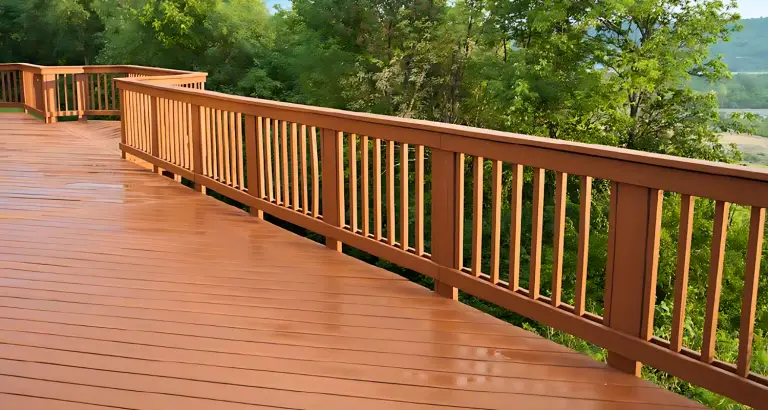
Horizontal surfaces usually suffer more than vertical ones because they collect water, dirt, snow and sun. A planter, bench seat, deck rail or outdoor tabletop will usually need more attention than siding, shingles or a vertical fence board.
This is also why outdoor wood that can be stored under cover during the off season lasts much longer. Even a simple roof overhang, shaded location or winter storage spot can make a noticeable difference.
Option 1: Exterior Oil
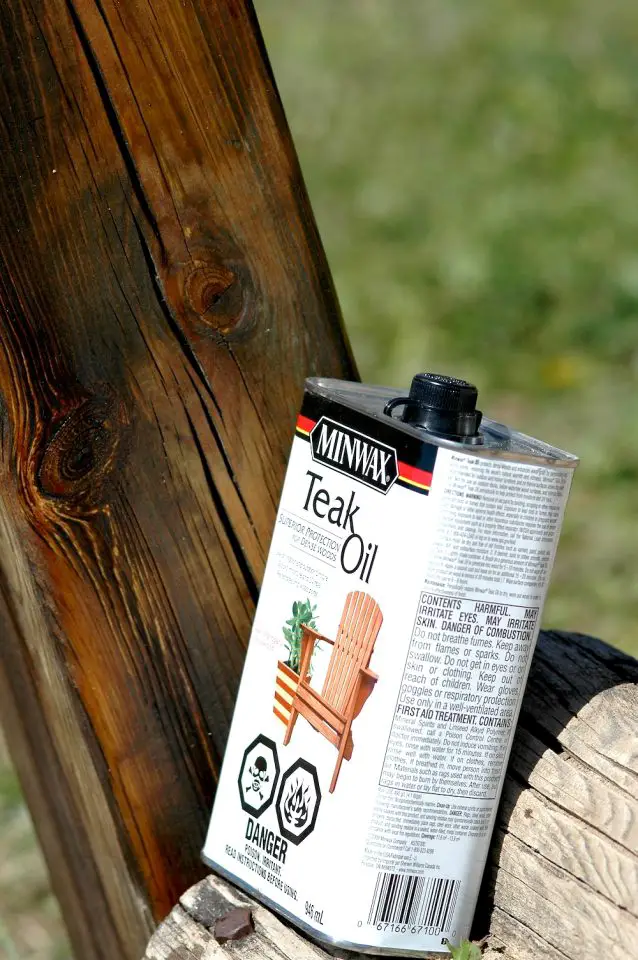
Exterior oil is one of the simplest and most forgiving ways to finish outdoor wood. It soaks into the wood rather than forming a thick surface film, so it does not peel. When the wood begins to look dry or thirsty, you simply clean the surface and apply more oil.
This makes oil especially useful for projects where easy renewal matters more than a perfect showroom appearance. Cedar planters, outdoor trim, garden furniture and small exterior wood projects are all good candidates.
The main downside is that oil does not stop outdoor wood from changing colour. It slows the process and improves appearance, but the wood will still gradually darken and weather over time.
Option 2: Spar Urethane or Spar Varnish
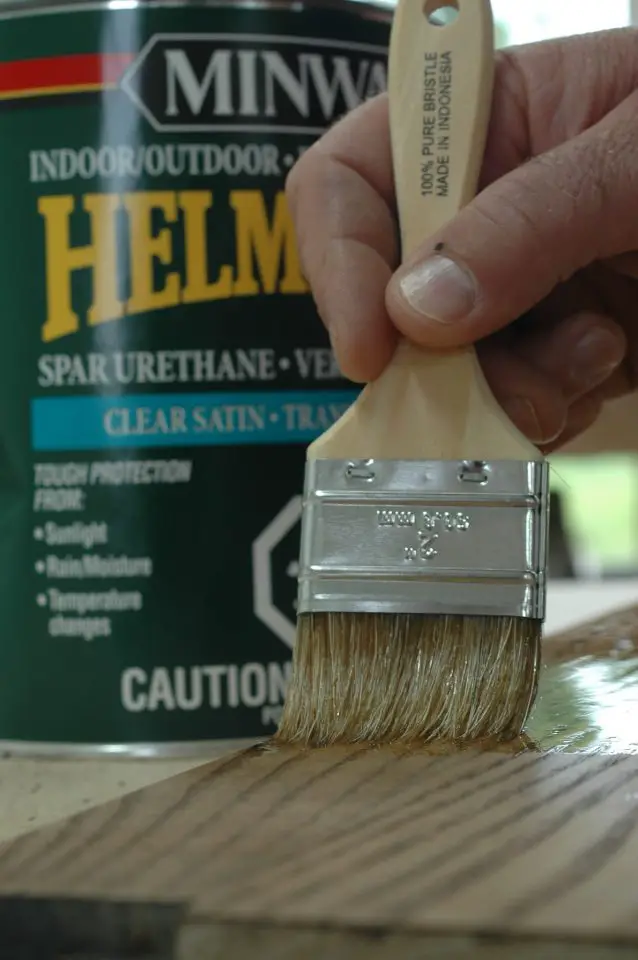
Spar urethane or spar varnish is the choice to consider when you want outdoor wood to look bright, clear and more formally finished. It creates a protective film over the surface, and this film can make cedar and other woods look especially good when freshly applied.
The tradeoff is future maintenance. Once a film finish begins to crack, peel or cloud, it usually needs sanding or stripping before refinishing. This can be reasonable on a simple planter with flat surfaces, but it becomes much more difficult on chairs, benches, railings or anything with lots of corners and details.
For this reason, spar urethane makes the most sense on small, simple projects where appearance matters and future sanding will not be too difficult.
Option 3: Let the Wood Weather Evenly
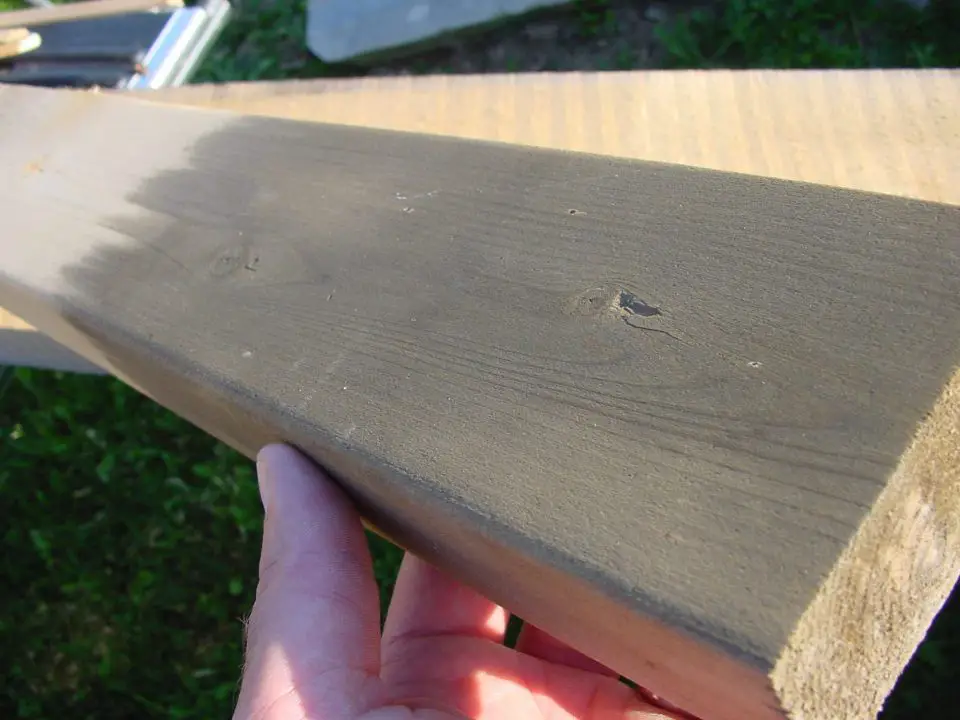
Sometimes the smartest approach is not to fight weathering, but to guide it. A weathering treatment such as Ecowood Treatment creates a consistent aged colour instead of leaving the wood to weather unevenly.
This is not the best choice when you want a bright, new cedar look. It is a better choice when you like the refined grey or barn-board appearance of aged wood and want to avoid regular reapplication.
For cedar shingles, sheds, fences and rustic outdoor projects, even weathering can look much better than blotchy, neglected weathering.
Best Finish for a Cedar Planter
For a cedar planter, exterior oil is probably the best all-around choice if you want a simple finish that is easy to renew. It will help the wood look better than bare cedar, and maintenance is straightforward.
Spar urethane is the better choice if keeping the cedar as bright and new-looking as possible matters most to you. Just be prepared to sand and refinish every few years.
A weathering treatment is best if you are willing to give up the bright cedar look in exchange for very low maintenance and an even, aged appearance.
Practical Outdoor Wood Finishing Tips
Clean the wood before finishing. Dirt, dust, mildew and loose fibres all interfere with good results.
Finish all sides when possible. This is especially useful for planters and small projects because it helps reduce uneven moisture movement.
Avoid thick applications of oil. Exterior oils usually work best when applied generously, allowed to soak in, then wiped or brushed out so excess material does not remain sticky.
Do not expect any clear finish to last forever outdoors. Clear finishes have a harder job than coloured stains because they allow more sunlight to reach the wood.
Store movable projects indoors or under cover during the off season. This one step can greatly extend the life of any outdoor wood finish.
Frequently Asked Questions
What is the easiest finish for outdoor wood?
Exterior oil is usually the easiest finish for outdoor wood because it soaks in, does not peel and can be renewed without stripping. When the wood starts looking dry, clean the surface and apply more oil.
What is the best finish for a cedar planter?
For most cedar planters, exterior oil is the best balance of good looks and easy maintenance. Spar urethane gives a brighter, more polished look, but it requires more work when the finish eventually fails.
Can I keep cedar looking new outdoors?
You can slow down the weathering process, but you cannot keep outdoor cedar looking new forever without ongoing maintenance. Sunlight and weather will gradually darken and change the wood.
Is spar urethane good for outdoor wood?
Yes, spar urethane can work well outdoors, especially on simple projects with flat surfaces. It provides a clear, bright finish, but eventually it will need sanding or stripping before refinishing.
Does outdoor wood oil peel?
No, exterior wood oil does not usually peel because it penetrates the wood rather than forming a thick surface film. This is one of the main reasons oil is easy to maintain.
What damages outdoor wood finishes the most?
Sunlight is one of the most damaging forces for outdoor wood finishes. Rain and moisture matter too, but ultraviolet light breaks down both the wood surface and the finish.
Is it better to stain, oil or varnish outdoor wood?
It depends on the look and maintenance level you want. Oil is easiest to renew, varnish or spar urethane gives the brightest clear finish, and weathering treatments offer the lowest maintenance when you are willing to accept an aged look.
What is a low-maintenance finish for outdoor cedar?
A weathering treatment is one of the lowest-maintenance options for outdoor cedar. It will not preserve the fresh cedar look, but it helps the wood age to a more even, attractive grey tone.





I hope you found this content useful!
Your generous support helps me produce more practical, hands-on content that I hope you’ll find useful.
Steve Maxwell