The presence of moisture is among the features of a healthy landscape. However, too much water can cause waterlogging and root rot. Implementing ways to improve water flow and absorption is essential for maintaining a healthy home garden. Below are three key methods to enhance garden drainage.
Install a Drainage System
Building drains is an effective way to prevent water accumulation in your garden. If your outdoor space experiences frequent floods or remains waterlogged for long periods, it is time to consider improving water flow structurally. The two drainage methods include underground and above-ground systems.
Underground drainage systems include french drains, which redirect excess water away from problem areas. These drains feature gravel-filled beddings and perforated pipes to help water travel through the ground. Dry wells also store excess water underground, which gradually seeps into the soil. They are ideal for gardens that experience heavy flooding and soil erosion. However, always cover them with permeable membranes to prevent soil clogging.
Surface drains and catch basins can also enhance drainage, especially in gardens with severe water issues. They feature low-lying swale channels that move water from hard surfaces to permeable grounds. above-the-ground drainage systems are also ideal if you do not prefer digging up your landscape. However, working with professionals, such as landscape construction in Port Dover, is essential to ensure quality drainage with minimum digging.
Add Organic Matter
Organic matter is crucial in improving soil structure, besides supplying plants with nutrients. It creates tiny air pockets that enhance soil aeration and water absorption as it breaks down. This results in improved drainage as water flows and gets absorbed into the soil efficiently. Adding organic matter and soil amendments, such as compost, peat moss, and perlite, helps retain necessary moisture while allowing excess water to escape.
To effectively add organic matter to your garden, spread about a 3-inch layer of compost, peat moss, or sand over the soil. Use a garden fork or tiller to mix the matter into the garden’s top six to eight inches. You can repeat the process once a year or several times depending on the soil’s structure and water problems. The organic matter can also become compacted by rain or repel water, causing runoff, so frequently loosening it up will help with water absorption.
Build Raised Beds and Rain Gardens
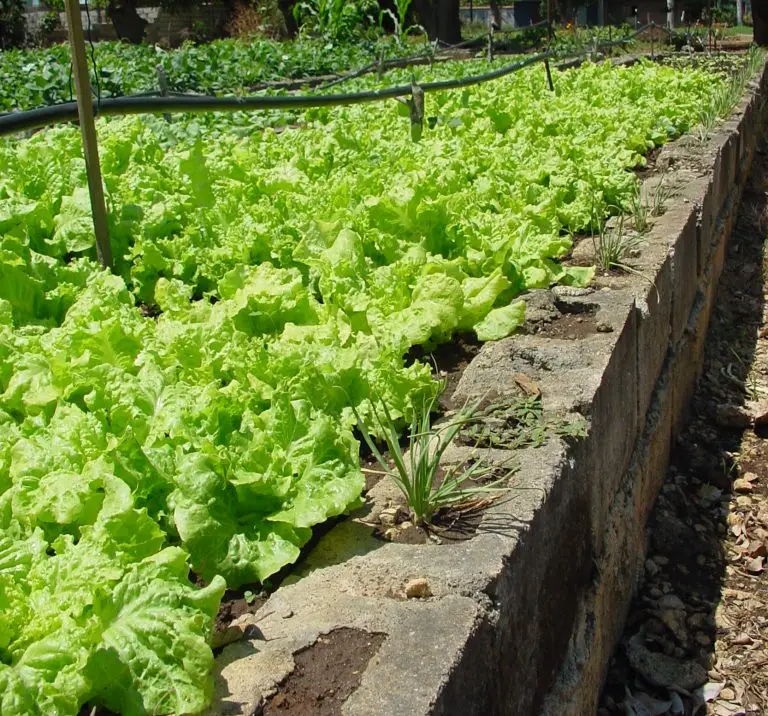
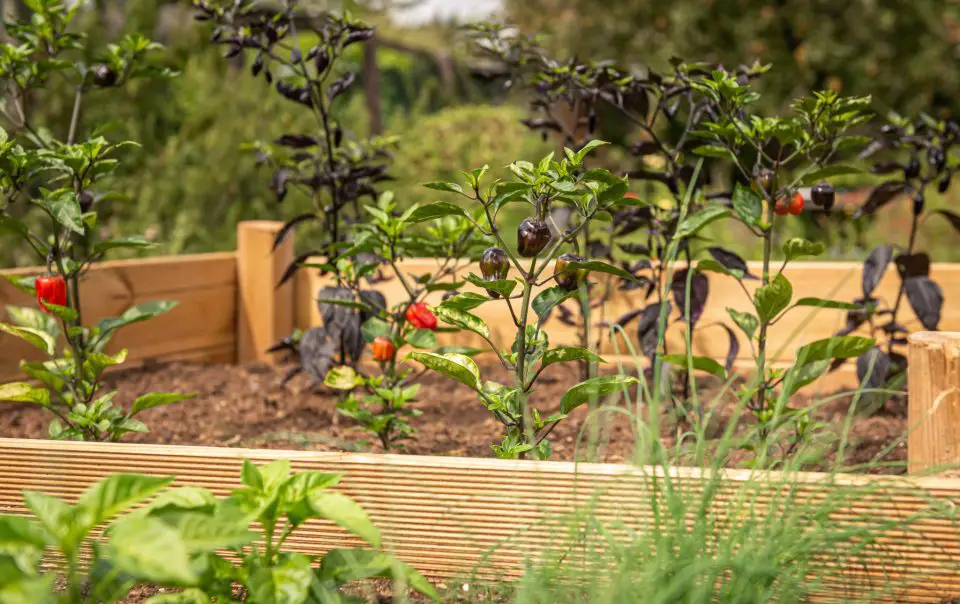
Raising planting areas can help solve water pooling if you have persistent drainage problems. Building raised beds and rain gardens offers a sustainable drainage solution while enhancing your landscape’s visual element. Raised beds have less-compacted soil, which boosts drainage. They also drain more quickly and are less prone to weed infestations, allowing plants to grow with less manual intervention. However, they need locations that receive adequate sunlight and weather-resistant materials.
Rain gardens sit lower than the rest of the land, allowing them to catch runoff and prevent flooding. They also attract beneficial insects to your yard, improving its biological composition. However, they are challenging to create as they require digging a depression and leveling the base. You may need professional assistance to build a rain garden if you have terrible drainage.
Endnote
Improving water flow can be difficult if you are new to landscaping or have severe water issues. However, installing a drainage system and adding organic matter can give you a well-drained and thriving landscape. Building raised beds and rain gardens can also result in a healthy garden that remains healthy year-round. However, for a quality and visually appealing garden, consider calling experienced landscapers.





I hope you found this content useful!
Your generous support helps me produce more practical, hands-on content that I hope you’ll find useful.
Steve Maxwell