A tube of caulk and a free weekend can feel like the obvious answer to a pest problem. Spot a gap near the roofline, fill it, and move on. Sometimes that works perfectly. Other times it creates a worse situation: a mouse sealed inside a wall, a nesting animal trapped behind a vent cover, or a colony of ants that simply finds another route twelve inches away. The difference comes down to what was using the opening when it was closed. Inspecting before sealing turns a guess into a decision. It shows whether an access point is active, abandoned, or part of a longer path, and it helps homeowners choose the repair that actually solves the problem rather than relocating it.
Why Sealing First Can Backfire
An opening is only half of the picture. The other half is whatever is traveling through it. If rodents are living in an attic and the single hole they use gets plugged while they are inside, they may chew a new exit, push through a weaker spot, or die in a place that is hard to reach and causes odor. Birds and squirrels that have established a nest behind a vent face the same risk, and young animals left behind create further trouble.
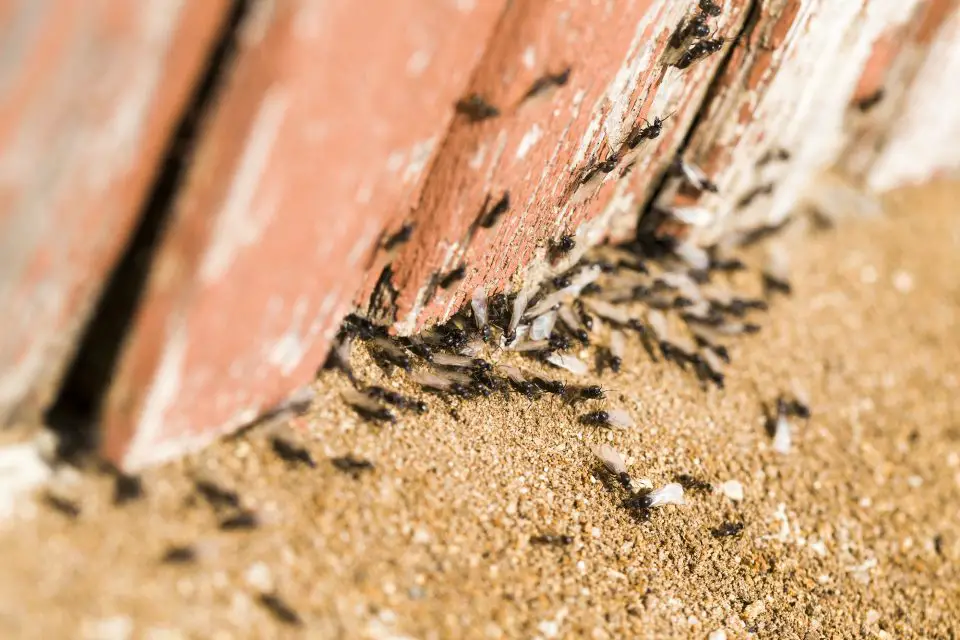
Insects behave differently but lead to similar frustration. Sealing one crack in the foundation can push foraging ants to a nearby seam, and a closed gap does nothing about a colony already established indoors. Termites and carpenter ants that are active inside wood will not leave simply because their entry route has been covered. In each of these cases, the repair addresses the symptom while the cause continues. Knowing what is happening before closing anything lets a homeowner decide whether to seal immediately, wait, or bring in help.
Where to Look: Rooflines, Vents, Penetrations, and Crawl Spaces
Entry points cluster in predictable places. Rooflines are common because eaves, soffits, and fascia boards meet at joints that weather and pull apart. Roof vents, gable vents, and chimney caps can have loose screens or damaged covers, and any of them may admit rats, mice, birds, and bees. Wall penetrations deserve close attention. Pipes, cables, dryer vents, hose bibs, and air conditioning lines all pass through the exterior, and the sealant around them dries and shrinks over time.
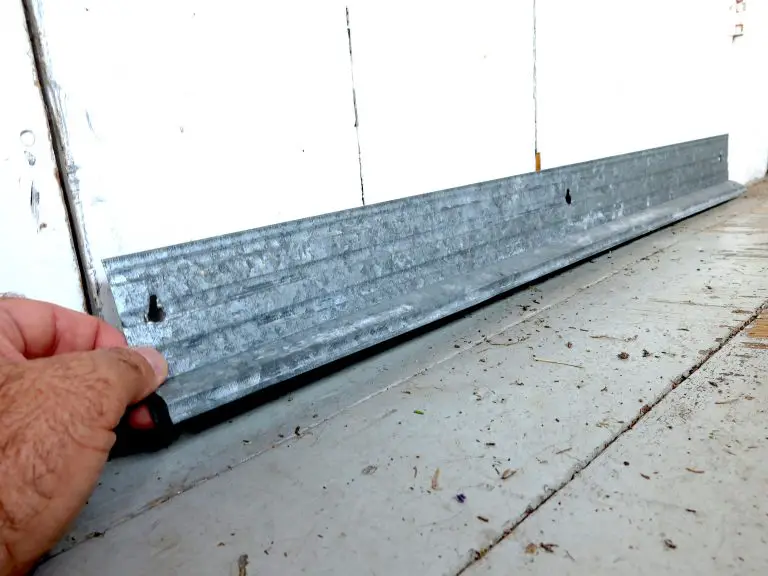
Crawl spaces and foundation vents are another frequent route. Missing vent screens, gaps around access doors, and cracks in the stem wall allow rodents and insects to reach the underside of the house. Garage edges, especially where the door meets the slab or where walls meet the roof framing, round out the list.
A ladder, binoculars, a flashlight, and a notebook cover most of this survey. From the ground, binoculars can reveal damaged soffit corners and loose vent covers without any climbing. Photographs taken during the survey help track which spots show activity and which look dormant.
Reading the Signs Before Making Repairs
Evidence shows whether an opening is active. A few minutes of careful observation usually tells a clear story.
- Droppings near the opening, which indicate recent rodent or bat use when fresh and dark
- Gnaw marks, rough chewed edges, or enlarged holes that suggest repeated gnawing
- Nesting material such as shredded insulation, leaves, twigs, or paper
- Greasy rub marks along edges, showing repeated passage by rodents
- Ant trails or clusters of insects moving steadily in one direction
- Sawdust, frass, or small piles of wood shavings below holes in timber
- Sounds of scratching, scurrying, or chirping at dusk and dawn
One trick is to place a loose plug of crumpled paper or a light dusting of flour near an opening and check it a day or two later. Disturbance suggests current use. Checking at dusk, when many animals leave their shelter, can also reveal movement. Repeating these checks over several days gives much more reliable information than a single glance.
When the evidence is unclear, or the signs point to more than one pest, calling in Carlsbad pest control from Thrasher Pest Control can save time and prevent a repair that causes more trouble than it prevents. A technician can confirm what is using the opening, trace the full route, and advise on timing and method.
Timing, Humane Exclusion, and Legal Considerations
Once activity is confirmed, the order of steps matters. For rodents and many wildlife species, exclusion works better than simple blocking. One-way exit devices let animals leave but not return, and the opening is sealed only after the structure is clear. Placing these devices before any permanent repair avoids trapping animals inside.
Nesting seasons add a complication. Many birds and mammals raise young in spring and summer, and excluding a parent while offspring remain inside leads to suffering and a worse odor problem. Some species, including bats, receive legal protection in many areas, and exclusion may be limited to certain times of year. Homeowners who suspect bats, birds, or larger wildlife should check local rules or consult a licensed professional before taking action, and those unsure of the species involved often find that Carlsbad pest control from Thrasher Pest Control can identify it and advise on timing.
Insects call for different timing. Sealing is most helpful after the colony has been dealt with, or when the opening is a minor entry used by foragers. In the meantime, noting trail locations and moisture conditions helps pinpoint the nest.
Choosing Durable Repairs
Once the opening is understood and clear of activity, the repair should match the problem. Gnawing animals defeat ordinary caulk, so small gaps are better filled with copper mesh or stainless steel wool packed tightly and then covered with sealant. Larger openings call for hardware cloth, sheet metal, or cement patching. Vents need screens made from sturdy mesh, secured with screws rather than staples.
For insects, flexible exterior-grade caulk works well around windows, trim, and pipe penetrations. Repairs should also account for moisture. If a gap was caused by rotting wood or leaking water, replacing the damaged material is better than covering it. After repairs, a follow-up check after a week or two confirms that nothing is trying to reopen the spot.
Key Takeaways
Sealing an opening feels productive, yet doing it before understanding what uses the opening can trap animals, push insects elsewhere, or hide a larger problem. A short inspection of rooflines, vents, wall penetrations, crawl spaces, and garage edges, along with attention to droppings, gnawing, nests, trails, and repeated movement, tells homeowners whether an entry is active and what is behind it. Timing, humane exclusion methods, and durable materials then make the repair last. When the source or extent of activity stays unclear, professional guidance helps ensure that the fix resolves the cause instead of moving it.




I hope you found this content useful!
Your generous support helps me produce more practical, hands-on content that I hope you’ll find useful.
Steve Maxwell