Video Watch Time = 3 1/2 minutes
Key Takeaways
- Fully finished basements can be expensive and risky if moisture is present
- A semi-finished approach improves usability without full renovation
- Paint, lighting, and modular flooring can transform the space
- Leaving some surfaces exposed makes maintenance easier
Finishing a basement can dramatically increase the usable space in a home, but full basement renovations can be expensive and risky in areas where moisture may occasionally appear.
A semi-finished basement offers a practical middle ground. Instead of installing drywall, finished ceilings and expensive flooring, this approach focuses on improving comfort, lighting and usability while keeping the space durable and moisture-tolerant. For many homes, especially older houses, this strategy creates a comfortable and functional basement at a fraction of the cost of full finishing.
Finishing a basement is one of the most popular home improvement projects, mostly because it’s an effective way to increase living space in your home. The thing is, there are two drawbacks to finishing a basement in the usual way to the standards of the rest of your house. These are high cost and major disruption. The semi-finished option sidesteps both these difficulties, as you’ll see.
Start By De-Cluttering
Before you get going, it’s best to plan ahead and eliminate clutter in your basement. This gives more space to work and lets you visualize the outcome better. In line with this, any stuff you won’t need, donate to a charity. This is especially important for those items that are still in good condition. Let someone else benefit from them if you can’t.
Why would anyone want to “semi-finish” a basement? Cost savings is the biggest reason. Finishing a basement in the usual way is not always as expensive as building an addition onto your house, but it can be. And it’s still easy to spend well into five figures finishing a basement as it’s typically done with insulation, drywall and floor coverings. I know some full basement finishing jobs go over $100K.
A second reason for semi finishing is when you have a basement that’s prone to occasional water leaks and moisture issues. Mold growth and poor indoor air quality throughout your house is a very real threat if a full finished basement gets wet. Creating a more economical, less vulnerable and more attractive basement is where something I call the “semi-finished” basement strategy can help. Done right, it’s not nearly so vulnerable to moisture.
Basement Ideas: Why “Semi-Finish?”
If all you need is space for the kids to play, an area for hobbies or sewing, and maybe a basic extra bathroom downstairs and some laundry space, you really don’t need to go all out with drywall, insulation and luxurious flooring right away. The thing about basements is they’re not either finished or non-finished. The semi-finished basement is an economical, low-stress, in-between option that too few people consider.
The key to a useful and inviting semi-finished basement is making the space look nicer, feel more comfortable and have better lighting – all without creating new finished wall surfaces, ceilings and floors. This approach saves money and also eliminates the risk of water damage and mold growth if your basement is not quite reliably dry every year. No basement should ever be finished with finished floors and interior walls unless it’s 100% reliably dry, 100% of the time as proven from at least a few years’ observation.
One option for making concrete basement floors more kid-friendly is the installation of raised subfloor tiles only, with no finished floor on top. These can handle small water leaks, and can be lifted and dried if leaked water is deep. Even if you only lay down raised subfloor panels in one specific play area, it can make a big difference when you’re a kid building Lego or Meccano on the floor. The video below gives an overview of the basement subfloor panel option.
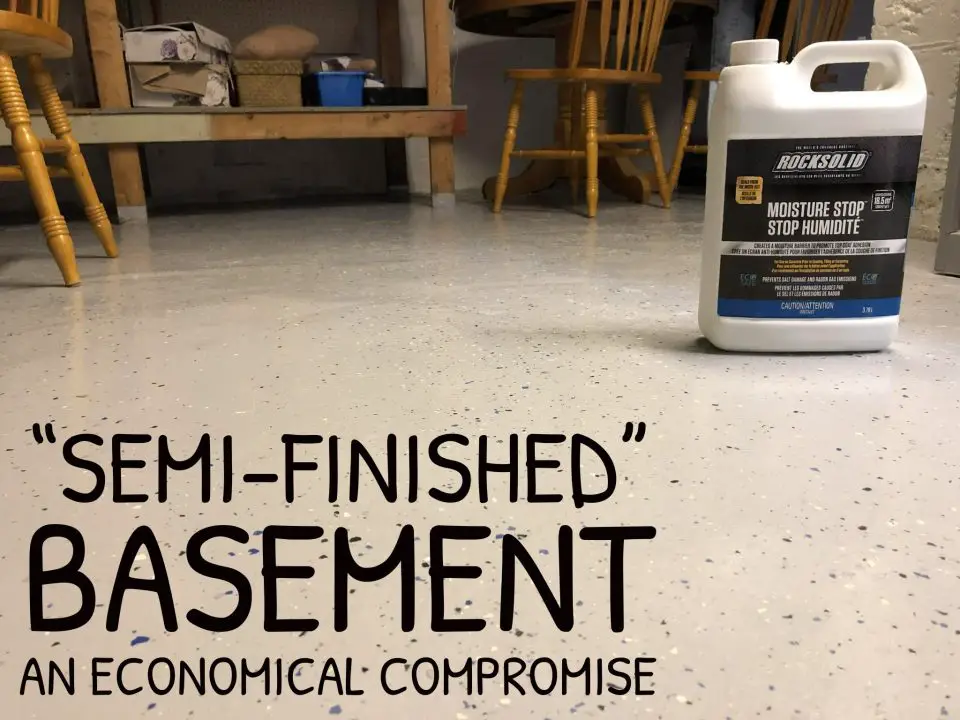
There are three main steps to the semi-finished basement strategy. First, coat the floor with a tough, thick, catalyzed floor coating, then lay down removable, interlocking subfloor tiles in areas where people will stand or kids will play. It’s amazing how much better this approach makes any basement space look and feel. If you do nothing else but improve the floor, you’ll love your basement much more.
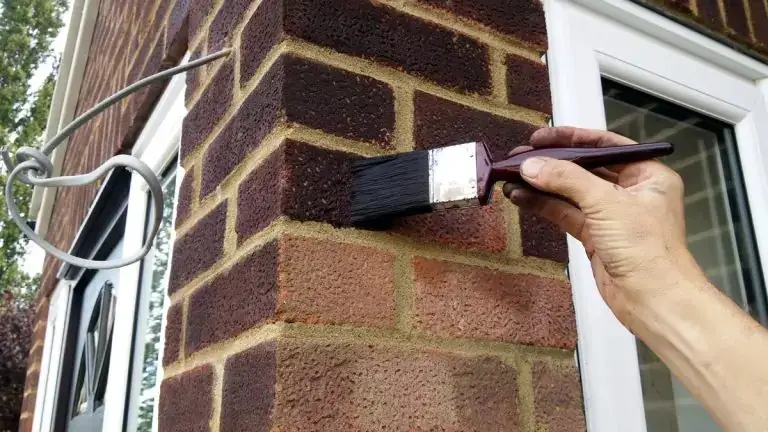
Second, clean and paint the walls with a bright colour. White is my favourite. 100% acrylic latex paint sticks to brick, block or poured concrete walls very well. A shop vac is the best tool to get the bulk of dirt off basement walls. Using white or any light-colored paint will make your semi-finished basement look more inviting and comfortable.
Third, vacuum the floor joists, pipes and wires overhead, then paint that area a light colour, too. I’ll admit that painting areas like these is not easy because of all the obstructions you need to work around, but the results are very good looking, in an informal and rustic way.
Doing it yourself will also give you a sense of pride and satisfaction. It will be a story that your family will share over and over. And if you get your kids in gear to help with the work, it’ll give them a stake in the process and an understanding of the value of work.
Low cost is the biggest benefit of the semi-finished approach to your basement. For less than $1000 in materials and your own labour you can transform a dark, uninviting basement into the kind of place kids can play. In fact, I’d argue that it’s easier to enjoy a semi-finished basement compared with a fully finished one during the kid-rearing years because you won’t be as up-tight about damage and wear.
I recently helped a young couple transform their dark, 100 year-old basement into a play and hobby space and we used a catalyzed floor coating as the first part of the process. Rocksolid Garage Coat is like epoxy in that it hardens by chemical reaction after adding a hardener, but it’s a polycuramine formulation that’s thicker than epoxy and supposed to be 20 times tougher. Only time will tell, but the results look great. So far this has proven to be the most impressive concrete floor coating I’ve seen in action. The thick coating made the century-old concrete look better than anyone expected, turning the space into the kind of place you want to be in.
How Raised Subfloor Panels Help Protect Basement Floors
Raised basement subfloor panels are a simple way to improve comfort while reducing moisture problems on concrete floors.
These panels sit slightly above the concrete surface and create a small air gap underneath. This separation prevents warm, humid air from coming into direct contact with the cool concrete floor where condensation can form.
Most basement subfloor systems also include a plastic base layer that works as a vapor barrier. This layer blocks moisture from moving upward through the concrete and helps keep the finished floor surface dry. The air space beneath the panels also provides a small insulating effect. Basement floors feel noticeably warmer and more comfortable when raised subfloor panels are installed.
Another advantage is protection from small water leaks. If minor moisture appears on the concrete floor, the raised panels allow water to move underneath and dry out instead of soaking into flooring materials. For basements that occasionally experience moisture or humidity, raised subfloor panels can make a big difference in comfort, durability and indoor air quality.
Frequently Asked Questions
What is a semi-finished basement?
A semi-finished basement is a partially improved basement space that looks cleaner and more comfortable without being fully renovated. Instead of drywall, finished ceilings and finished flooring, the space typically includes painted walls, better lighting and improved flooring surfaces.
Is it cheaper to semi-finish a basement?
Yes. Semi-finishing a basement costs far less than a full basement renovation because it avoids framing, drywall, insulation and expensive finished flooring systems. Many homeowners can improve a basement space significantly with simple upgrades and their own labour.
Do basement subfloor panels help prevent mold?
Raised basement subfloor panels help reduce condensation by separating finished flooring from the concrete floor. This air gap helps prevent moisture buildup that can lead to mold and mildew growth.
Why do basements sometimes smell musty?
Musty basement smells are usually caused by moisture and humidity interacting with cool concrete surfaces. When warm, humid air contacts cool basement floors or walls, condensation can form, which encourages mildew and mold growth.
Cheap Unfinished Basement Ideas
You don’t need to finish a basement completely to make it more useful and pleasant. In many houses, a semi-finished approach is the smartest way to improve the space while avoiding the cost and moisture risks of a full renovation. Here are several inexpensive upgrades that work well in unfinished basements:
Paint the Concrete Floor
Concrete basement floors often look dusty and unfinished. A coat of concrete floor paint dramatically improves appearance, reduces dust, and makes the space feel cleaner.
Improve Lighting
Basements are often dim because they rely on a few bare bulbs. Adding LED shop lights or modern fixtures can transform the space and make it feel much more comfortable.
Use Removable Flooring
Interlocking rubber tiles or modular floor systems can create a warmer, more comfortable surface without permanently finishing the basement floor.
Add Simple Wall Storage
Shelving, pegboards, and storage systems can turn an unfinished basement into a practical workshop, storage area, or hobby space.
Leave Problem Areas Exposed
Keeping foundation walls visible in some areas makes it easier to spot leaks or moisture problems early.
Want more practical home improvement ideas like this?
Join the Bailey Line Road newsletter for weekly DIY tips, building advice and real-world solutions for homeowners.




I hope you found this content useful!
Your generous support helps me produce more practical, hands-on content that I hope you’ll find useful.
Steve Maxwell