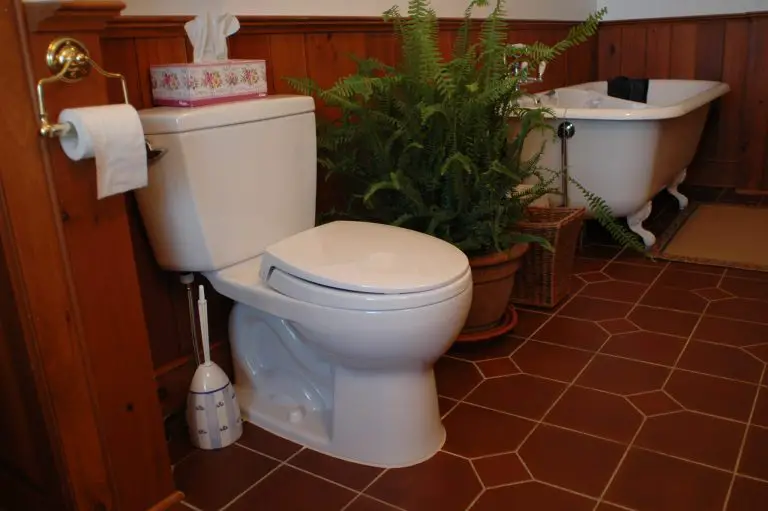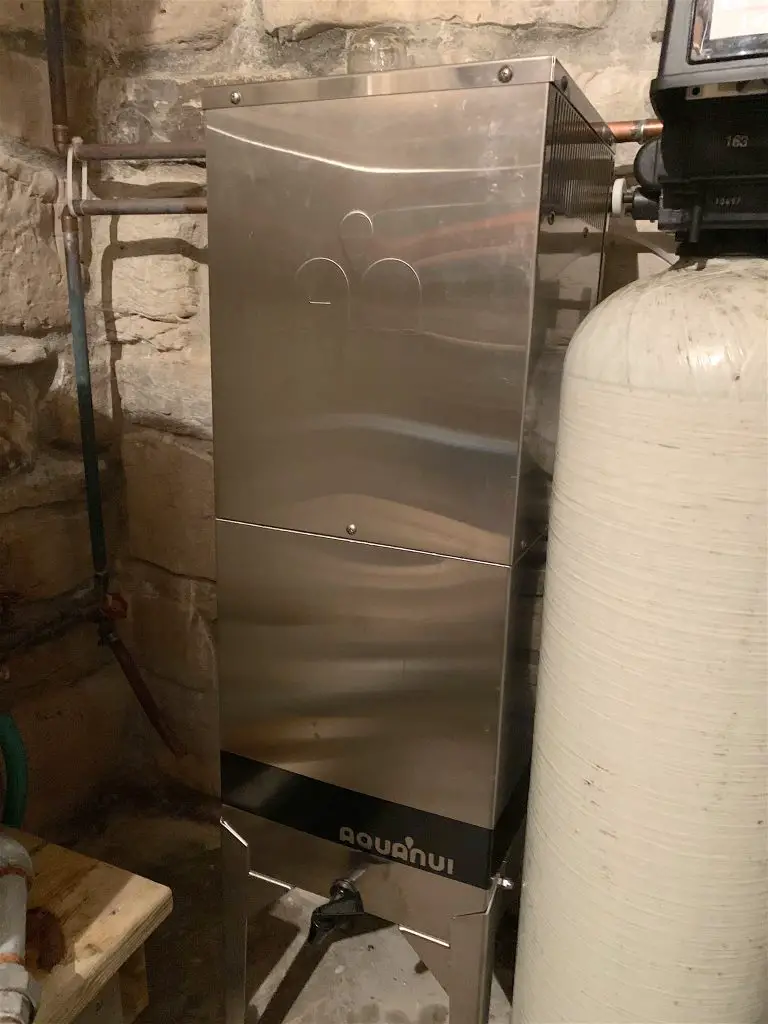
Frozen water supply pipes are bad enough, but a frozen sewage or drain line can be much worse. When wastewater can’t leave the house, everything stops. Toilets, sinks, tubs, showers, washing machines and dishwashers all depend on one simple thing: a drain path that stays open.
Key Takeaways
- Sewage and drain lines can freeze when they’re too shallow, poorly sloped or exposed to severe cold.
- A frozen sewer line can stop toilets, sinks, tubs and appliances from draining properly.
- Standard pipe heat tape is not usually suitable for use inside sewage or drain lines.
- Purpose-built internal drain heating cable systems can protect vulnerable sewage pipes from freezing.
- The best long-term solution depends on pipe depth, slope, insulation, soil conditions and winter climate.
Most buried drain lines work fine because they’re deep enough, sloped properly and protected by the ground around them. Trouble begins when a sewage pipe is too shallow, runs through exposed ground, passes under a driveway, crosses bedrock, enters a septic tank awkwardly, or carries too little warm wastewater to keep itself open. In these cases, a purpose-built drain heating cable can be a practical solution.
Why Sewage Lines Freeze
A sewage line freezes when wastewater sits long enough in a cold section of pipe for ice to form. This can happen gradually. A little water remains in the pipe, freezes, catches more wastewater, freezes again, and eventually builds into a blockage.
The problem is most common in cold climates where drain lines are too shallow or where the ground above the pipe is cleared of insulating snow. Driveways, walkways, compacted soil, exposed bedrock and wind-scoured areas can all make freezing more likely.
Slope matters too. A drain line with poor slope may hold water instead of draining cleanly. Even a small sag in the pipe can become a freezing point if liquid collects there during cold weather.
Why Frozen Drains Are Different From Frozen Water Lines
A frozen water line usually stops water from reaching one fixture or part of the house. A frozen main drain or sewage pipe can stop the entire plumbing system from working.
This is what makes frozen drains so serious. Water may still come out of taps, but it has nowhere to go. Toilets can’t flush properly. Sinks back up. Showers and tubs may drain slowly or not at all. In some cases, wastewater can return into the house through the lowest drain opening.
A frozen drain line is also harder to thaw than a water line because it may be buried, inaccessible and contaminated. Prevention is much better than dealing with a frozen sewage pipe after the fact.
What Is a Drain Heating Cable?
A drain heating cable is an electric heating cable designed to keep vulnerable drain or sewage pipes above freezing. Unlike ordinary exterior pipe heat tape, some systems are designed to go inside certain drain lines, where they deliver heat directly where ice would otherwise form.
This kind of system can be especially useful when a buried drain line cannot easily be deepened, relocated or regraded. It can also help in seasonal homes, cabins, remote properties and cold-climate installations where pipe freezing has been a recurring problem.
The important point is that any heating cable used in or around a drain line must be designed for that purpose. Sewage lines are harsh environments, and ordinary hardware-store heat tape is not a safe substitute for a properly rated system.
When a Heating Cable Makes Sense
A drain heating cable makes the most sense when a pipe has a known freezing problem and ordinary fixes are impractical. For example, the pipe may cross bedrock, pass under concrete, run through shallow soil, or connect to a septic tank in a way that makes reinstallation expensive.
It may also make sense where the system usually works but fails during unusually cold weather, long periods of low water use, or winters with little snow cover.
Heating cable should not be the first excuse to ignore bad plumbing design. If a drain line has improper slope, severe sagging, poor layout or damaged pipe, those problems should be addressed directly. But when the pipe layout is basically sound and freezing is the main issue, heat can be a practical tool.
Internal vs. External Pipe Heating Cable
External heating cable wraps around the outside of a pipe. This can work on accessible water pipes and some drain pipes in crawlspaces, basements or utility areas. The limitation is obvious: buried sewage lines are usually not accessible from the outside.
Internal drain heating cable works differently. It can be inserted into the pipe through an access point, cleanout or other approved opening, depending on the product and installation. This places the heat inside the problem area, where ice would otherwise form.
Internal systems must be chosen and installed carefully. The cable needs to be compatible with wastewater, pipe material, pipe size, fittings, electrical requirements and local code expectations.
Other Ways to Prevent Frozen Drains
Heating cable is only one option. Depending on the situation, other solutions may include deepening the pipe, improving slope, insulating the pipe, adding soil cover, protecting the area from wind, maintaining snow cover, correcting low spots, or changing how wastewater enters the system.
Sometimes regular warm-water use helps keep a marginal pipe open. In other cases, low-use buildings need special attention because wastewater sits too long in the line.
For seasonal properties, closing procedures matter. A cabin, cottage or rural building that is left partly active through winter may need more protection than a home used every day.
Safety and Electrical Considerations
Any drain heating cable is an electrical device operating in a demanding environment. Follow manufacturer instructions exactly, and use a qualified electrician or plumber when needed.
Ground fault protection is important. So is using the correct voltage, control system and cable length. Never cut a heating cable unless the manufacturer specifically allows it. Never use a product inside a drain unless it is designed and approved for that kind of installation.
A proper system should be safe, controlled and accessible for inspection or service.
Best Long-Term Fix for a Freezing Sewage Line
The best fix depends on why the pipe is freezing. If the line is shallow but otherwise properly sloped, insulation or heating cable may be enough. If the line has a belly or sag, the pipe may need to be regraded or replaced. If the pipe runs through an exposed area, more soil cover or better snow retention may help.
The most reliable approach is to identify the actual freezing point, understand why that section is vulnerable, and choose a solution that deals with that specific cause.
In many cases, a purpose-built drain heating cable is not just a convenience. It can be the difference between a plumbing system that fails every winter and one that keeps working through deep cold.
Frequently Asked Questions
Why do sewage lines freeze?
Sewage lines freeze when wastewater remains in a cold section of pipe long enough to turn to ice. This is most likely when pipes are too shallow, poorly sloped, exposed to cold, or used infrequently during winter.
How do I know if my sewer line is frozen?
Common signs include toilets that won’t flush properly, multiple drains backing up, gurgling sounds, slow drainage throughout the house, or wastewater appearing at the lowest drain opening.
Can you use heat tape on a sewer line?
Ordinary heat tape is not usually suitable for sewage lines, especially inside the pipe. Use only heating cable products specifically designed and approved for drain or sewer freeze protection. The issue is about the potential explosive nature of sewer gases. Approved heating cables have an outer layer to protect against this.
Can a heating cable go inside a drain pipe?
Some purpose-built drain heating cable systems are designed for internal use in certain drain or sewage lines. The cable must be rated for that purpose and installed according to the manufacturer’s instructions.
What causes a buried drain line to freeze?
A buried drain line can freeze if it is too shallow, has poor slope, contains a low spot, passes through exposed ground, crosses bedrock, runs under a cleared driveway, or carries too little warm wastewater.
Is insulation enough to stop a drain from freezing?
Insulation can help, but it does not create heat. If wastewater sits in a vulnerable pipe long enough during severe cold, insulation alone may not prevent freezing. In some cases, insulation and heating cable work together.
What is the best way to prevent a frozen sewer line?
The best prevention is a properly sloped pipe buried below frost level. Where that is not practical, options include insulation, more soil cover, improved drainage slope, snow cover protection, or a purpose-built drain heating cable.
Are frozen sewage lines dangerous?
They can create serious sanitation problems if wastewater backs up into the house. Frozen sewage lines should be handled carefully because of contamination risk and the possibility of pipe damage.





I hope you found this content useful!
Your generous support helps me produce more practical, hands-on content that I hope you’ll find useful.
Steve Maxwell