Most cleaning products on the market contain harsh chemical compounds that can damage your home and pose serious health risks. If you use these store-bought toxic cleaning products, you can experience issues like skin sensitivity, lung irritation, and more.
Luckily, more and more people are now aware of the serious harm exposure to these chemicals can cause and are reverting back to natural cleaning products. Most natural products do a great job of cleaning without having any toxic elements, which is especially important for homes with children.
These products are not only eco-friendly and reduce your carbon footprint, but they are also relatively inexpensive. If you’re looking for safer alternatives or hiring a cleaning service in Atlanta that uses non-toxic methods, this guide provides easy, chemical-free cleaning solutions that produce fresh homes and protect your loved ones from harm.
Essential Tools & Ingredients for Chemical-Free Cleaning
A few natural cleaning supplies can replace multiple chemical cleaners.
- White vinegar combined with baking soda is an effective solution to dissipate grease and dissolve hard water spots.
- Baking soda is a dirt-smoothing agent that destroys scents simultaneously.
- Castile soap, a non-chemical cleaning product, lifts grime without residue.
- Hydrogen peroxide disinfects safely.
- Tea tree oil combined with lemon and eucalyptus essential oil offers strong odor and antimicrobial properties to your cleaning process.
- Olive oil is an organic wood surface polish that can be used on furniture.
Room-by-Room Cleaning Guide Using Non-Toxic Products
Kitchen
Kitchen floors and counters require the most attention. Traditional floor cleaners’ residue creates a sticky sensation on floors, although they can appear clean.
To get rid of sticky floors after mopping, you can use a mixture of castile soap and warm water to rinse away any excess soap or synthetic cleaning products. A mixture of vinegar and water can also dissolve the cleaning product residue that usually makes the floor sticky.
A mix of water and vinegar will provide proper surface sanitation for the counters and successfully break down grease buildup. Baking soda can also effectively remove stains and mineral deposits from sinks and faucets when scrubbing, followed by vinegar rinsing.
To clean appliances, a nontoxic kitchen cleaner safely dissolves grease without harmful fumes. A combination of vinegar and water in a microwave bowl creates high-heat vapor, which makes cleaning grime easier after several minutes of heating.
Bathroom
Bathrooms require regular cleaning since they are among the most utilized areas in a residential house. Standard cleaning solvents contain chemical ingredients that can be irritating to the skin and respiratory system. Switching to nontoxic cleaning products allows for effective sanitation without harmful residues.
To clean the toilet basin, use undiluted vinegar, which should be applied under the rim and inside the bowl, then wait ten minutes before scrubbing. The vinegar solution effectively dissolves stains together with its natural antibacterial properties. Mixing dissolving baking soda with water and adding essential oil drops yields a paste that cleans bathtubs as well as showers. Hydrogen peroxide mixed with baking soda eliminates tile mold and grout buildup through scrubbing motions without requiring bleach. When applied using a microfiber cloth, vinegar mixed with water will clean glass surfaces to perfection without producing streaks. For bathroom floor tiles or stone, prefer pH-neutral cleaners to protect the shine.
Living Room
The living room attracts dust and allergens, along with unwanted odors, so routine maintenance demands focus. Commercial air fresheners and furniture sprays commonly contain synthetic fragrance components that create indoor air pollution. Instead, natural household cleaners can keep this space fresh and chemical-free.
To freshen furniture and upholstery, people should use a damp microfiber cleaning cloth with essential oil drops instead of toxic chemical sprays. Baking soda applied before vacuuming eliminates bad smells and absorbs indoor moisture through rugs and carpets. Wood floor maintenance requires castile soap diluted with water and a microfiber mop, which keeps floors polished while staying clean. Natural air purification occurs through citrus essential oil diffusion, which creates a mild, pleasant smell instead of using aerosol air fresheners.
Bedroom
The bedroom should serve as a sanctuary that is comfortable, allergen-free, and free of chemical residues. Using all-natural cleaning products helps create a healthier sleep environment while reducing exposure to toxins.
Baking soda should be spread evenly over your mattress before resting for 30 minutes before vacuuming commences. When combined with moisture, this ingredient acts as an odor neutralizer and natural fabric restorer. Bedding and curtains should be washed with chemical-free cleaning products to avoid synthetic fragrances and irritants commonly found in conventional detergents.
A damp microfiber cloth combined with essential oil drops effectively removes dust and fingerprints from nightstands and dressers. Warm water mixed with castile soap is a suitable cleaner for hardwood floors since it cleans well while preserving the floor finish.
Non-Toxic Cleaning Products You Can Make at Home
1. Homemade Soft Scrub for Stubborn Stains
Powerful yet delicate scrubs are essential for removing stubborn stains that include rust marks together with grout discoloration and soap scum buildup. Combining baking soda with hydrogen peroxide will create a thick substance that you can use to make the product. The mixture should be brushed onto the affected areas before allowing sit time and removing it with a brush and sponge. This nontoxic home cleaner effectively breaks down grime without harsh chemicals.
Best for: Grout discoloration and rust stains on bathtub and kitchen sink surfaces.
2. DIY Disinfectant Spray
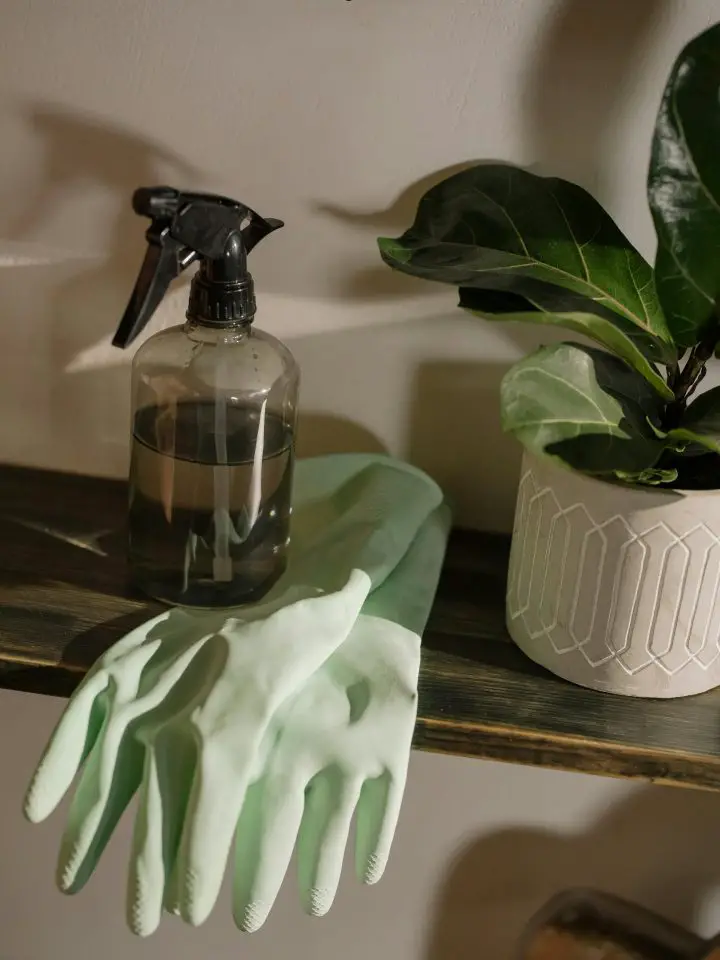
Prepare a disinfectant spray by blending water with essential oils of tea tree, lemon, or thieves’ blend in a spray container. Essential oils exhibit antimicrobial functions, providing people with a natural, toxic-free disinfectant choice instead of chemical disinfectants. Each application and distribution requires a thorough shake before using the spray to clean door handles, bathroom sinks, and countertops.
Best for: High-touch surfaces, kitchen counters, and bathroom fixtures.
3. All-Purpose Cleaner
One cleaning solution substitutes for several types of store-bought cleaning products. Pour equal parts of warm water and either dish soap or vinegar into a spray container. The solution passes through grease without trouble and eliminates dirt by creating no dangerous remnants. The mixture performs well for normal kitchen maintenance tasks on counters, walls, and the surface of cabinets.
Best for: Kitchen surfaces, walls, cabinets, and general household cleaning.
4. Natural Glass & Mirror Cleaner
Fill a spray bottle with undiluted vinegar for streak-free window and mirror cleaning. Smoothly apply the solution to glass surfaces with a microfiber cloth or an old T-shirt to achieve a clean finish. This simple, nontoxic home cleaner removes smudges and water spots without leaving streaks.
Best for: Windows, glass tables, mirrors, and stainless steel appliances.
5. DIY Laundry Detergent
You can create an environmentally friendly laundry detergent by mixing equal portions of grated natural soap, such as castile soap, with washing soda and borax. Stir thoroughly to combine. To add fragrance to the mixture, combine several drops of essential oil. This detergent effectively cleans laundry items by eliminating synthetic fragrances and severe chemicals.
Fabric softening requires wool dryer balls because they produce better results than traditional synthetic products. Stain removal becomes easier when hydrogen peroxide is applied directly to the tainted areas before washing them because this causes a natural bleaching effect.
Best for: Normal clothes washing or delicate materials and stain removal.
Final Tips & Best Practices for a Chemical-Free Home
Having the right house cleaning essentials makes nontoxic cleaning easier. Microfiber cloths, such as old T-shirts, can be used to clean polished and glass surfaces. Spray bottles and jars with lids are also needed to store homemade cleaning products.
For floor cleaning, you will need a bucket and mop, and some scouring pads and scrub brushes can help you eliminate tough stains. Using non-toxic cleaning products is a smart way to maintain a safe and healthy environment, but knowing how to use them properly is just as important.
Various natural cleaning substances have compatible combinations that can be utilized, yet particular compounds should remain separate.
Mixing dish soap with vinegar works best to clean kitchen grease, while mixing baking soda with hydrogen peroxide produces an effective scrub for grout, tubs, and sinks. An excellent natural killing agent and fragrance enhancer emerges when you combine essential oils in water without artificial scent additions.
These home cleaning essentials allow you to clean effectively without relying on chemical-based products. However, some combinations of cleaning materials need to be avoided.
Castile soap mixed with vinegar creates a residue that cannot be cleaned well from surfaces. Baking soda immediately reacts with vinegar, becoming a useful drain-unclogging agent, yet it loses effectiveness as a store-bought product.
When vinegar is combined with hydrogen peroxide, it produces the household unsafe substance peracetic acid, which irritates the skin. Several daily practices combined with proper chemical selection will keep your home environment naturally fresh.
If you prefer buying products, always choose brands that only use natural ingredients. Try to avoid using chemical-based air fresheners and instead use oil diffusers that can be refilled with essential oils.
Conclusion
Switching to nontoxic cleaning benefits both your health and the environment. Removing dangerous chemicals from your home means you create fewer pollutants in indoor air, resulting in decreased chances of skin and respiratory problems.
You can achieve equivalent cleaning results through homemade solutions that don’t contain harmful elements found in most store-bought products. Maintaining a nontoxic home is simpler than it seems. With the right household cleaning essentials, switching to safer products is an easy step toward a healthier lifestyle for you and your family.





I hope you found this content useful!
Your generous support helps me produce more practical, hands-on content that I hope you’ll find useful.
Steve Maxwell