It’s easy to get swept up in seed catalogs, raised bed plans, and perfect plant combinations. But even the most carefully chosen crops won’t thrive if the soil beneath them isn’t ready. Soil is more than a backdrop for your plants—it’s the living foundation that everything in your garden depends on.
Poor soil drains too fast or holds water like a swamp. It can choke out roots, starve plants of nutrients, or compact into a surface so hard that seedlings never stand a chance. The difference between a frustrating, failure-prone garden and one that flourishes often starts with what’s underfoot. And the good news? With a little work and the right materials, you can fix it.
Evaluate What You’re Working With
Before you dig in, take a few minutes to assess what you’re dealing with. Good prep starts with understanding your existing soil—its texture, structure, and how it handles water.
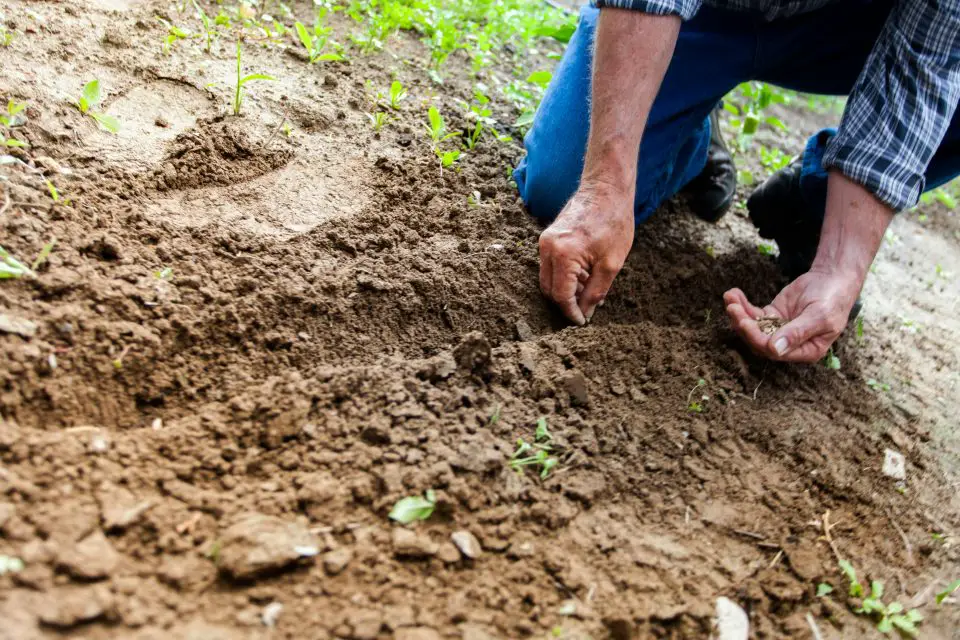
Scoop up a handful and squeeze. If it crumbles apart easily, it’s probably sandy. If it sticks together like putty, it’s likely clay. The sweet spot is loam—a soft, pliable clump that holds its shape but breaks apart with a poke.
Drainage matters just as much. Dig a hole about a foot deep and fill it with water. If it’s still pooling hours later, drainage is poor. If it disappears in minutes, your soil may not hold moisture long enough for roots to benefit.
These quick tests will tell you whether your soil can be improved or if you’re better off bringing in something of higher quality. Either way, this step provides a clear starting point.
Clear, Grade & Shape Your Plot
Once you know what you’re working with, prep the surface. Remove weeds, sod, rocks, and any remaining debris. A clean slate makes it easier to shape the land and manage water flow.
Grading is key. A perfectly flat plot might seem ideal, but if water lingers after a rain, your plants will suffer. Even a slight slope—an inch or two every ten feet—can direct excess water away from roots and toward areas that can handle it.
If your yard tends to stay soggy or slope unpredictably, taking time to improve drainage is one of the smartest ways to protect your soil. It helps prevent compaction, erosion, and root rot long before you plant the first seed.
Improve or Replace Poor Soil
Not all soil is worth saving. If yours is heavy with clay, filled with rocks, or so depleted it can’t even support weeds, it might take more effort to fix than it’s worth. In those cases, replacing the top few inches can give your garden a real head start.
That’s where quality topsoil can make a difference. If you’re starting fresh or rebuilding a tired bed, look for topsoil for sale that’s been screened and enriched. Good topsoil doesn’t just fill space—it provides structure, drainage, and nutrients that give plants a solid foundation.
If your existing soil still has potential, targeted amendments can make all the difference. Compost, aged manure, and peat moss all help improve texture and boost fertility. But if your soil turns to muck after rain or feels like concrete when dry, a clean layer of fresh topsoil may be the better path forward.
Mix, Layer, and Condition Your Soil
Once your base is in place—whether amended or replaced—it’s time to blend and condition it. Even high-quality topsoil benefits from the addition of organic matter. A few shovelfuls of compost or aged manure worked into the top six to eight inches of soil improve aeration, moisture retention, and microbial life.
Skip the deep tilling. Overworking the soil can disrupt beneficial fungi and compact lower layers, especially when it’s wet. A garden fork or broadfork is usually enough to loosen the subsoil without tearing it up.
If you’ve layered new soil on top of old, blend the two lightly at the boundary. A sharp transition can trap water or confuse root systems. You want a continuous foundation, not a layered cake.
Before planting, water the area thoroughly to help the soil settle. Doing this will reveal any low spots and give you a better sense of how well the area drains. Once the surface is crumbly and no longer sticky, it’s ready for seeds or transplants.
Mulch and Maintain
Even great soil needs upkeep. Once your garden is established, the key to long-term success is protecting its structure, fertility, and moisture throughout the seasons.
Mulch makes all the difference. A two- to three-inch layer of organic material—such as straw, shredded leaves, or bark—keeps the soil cool, suppresses weeds, and retains moisture. As it breaks down, it naturally feeds the soil.
Watch for signs of compaction or nutrient loss over time. Avoid stepping in planting areas, and consider crop rotation or cover crops between seasons to rebuild organic matter. For more information on long-term soil health, the USDA’s soil health management guide provides science-backed tips to keep your soil productive and healthy.
Healthy soil is dynamic. With steady care and a little attention, the work you do now will yield stronger plants and fewer problems later.
Conclusion: Build It Right, Reap the Results
Prepping your soil is a project with a lasting payoff. Get it right, and everything else becomes easier. Plants grow better. Water drains where it should. Weeds lose ground. And your time in the garden feels more like progress than a problem-solving exercise.
Do the work once—and do it well. Your soil will pay you back for seasons to come.





I hope you found this content useful!
Your generous support helps me produce more practical, hands-on content that I hope you’ll find useful.
Steve Maxwell