Moving out of a rental property in Australia involves more than packing boxes and handing back the keys. One of the biggest concerns for many tenants is getting their rental bond back without unnecessary disputes or deductions. While normal wear and tear is generally expected, avoidable dirt, neglected areas, or damage caused by poor cleaning can create problems during the final inspection.
So, how can tenants make sure their cleaning efforts meet reasonable expectations?
The key is to use a practical, organised approach rather than rushing through the property on moving day. Understanding what needs attention, checking the original condition report, and using the right cleaning methods can make the handover process much smoother.
Understand What the Final Inspection Actually Involves
Before cleaning begins, tenants should review the condition of the property when they first moved in. The original condition report can help establish what was already present and what may have changed during the tenancy.
In many cases, tenants are expected to return the property in a reasonably clean condition, allowing for fair wear and tear. This does not necessarily mean every surface must look brand new. However, areas that have accumulated grease, dust, grime, or built-up residue may need more attention.
The final inspection may include:
- Kitchen surfaces, cupboards, sinks, and appliances
- Bathroom fittings, tiles, showers, and toilets
- Floors, carpets, and skirting boards
- Windows, tracks, frames, and screens
- Walls, doors, handles, and light fittings
- Outdoor areas, garages, balconies, or patios
- Any areas affected by pets, stains, or avoidable damage
Checking these areas early can help tenants identify tasks that may take longer than expected.
Focus on the Areas Most Likely to Be Overlooked
A property can look clean at first glance while still containing dirt in less obvious places. During a final inspection, these details may become noticeable, particularly in kitchens, bathrooms, and high-use areas.
Some commonly overlooked areas include:
- Inside ovens and microwaves
- Rangehood filters and splashbacks
- Cabinet interiors and drawer runners
- Window tracks and sliding-door channels
- Behind toilets and beneath bathroom fixtures
- Skirting boards and door frames
- Light switches, handles, and cupboard knobs
- Ceiling fans and air-conditioning filters
- Garage corners, balconies, and outdoor storage areas
Cleaning these spaces does not always require expensive products. It does require time, suitable tools, and attention to detail. Working through the property room by room can make it easier to avoid missing small areas.
Use the Right Cleaning Method for Each Surface
One cleaning product or technique will not work safely on every material. Using an overly strong chemical on a delicate surface can cause marks, discolouration, or permanent damage, which may create a different problem during the final inspection.
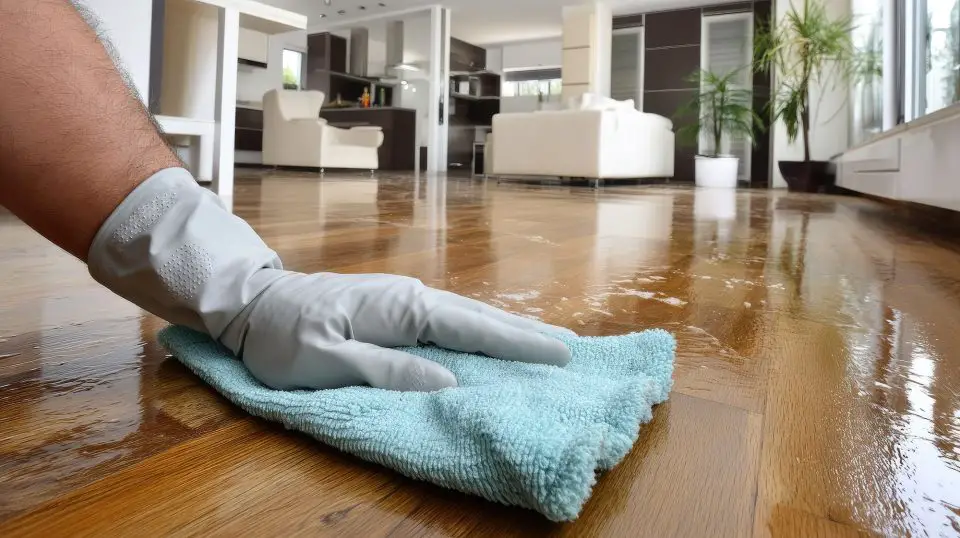
For example, glass may need a streak-free cleaner, while stone benchtops may require a product suitable for the specific type of stone. Timber flooring, painted walls, stainless steel, and laminate surfaces can also have different cleaning requirements.
A sensible approach includes:
- Reading product instructions before use
- Testing unfamiliar products on a small, hidden area
- Avoiding abrasive tools on delicate surfaces
- Using clean cloths to prevent spreading dirt
- Removing cleaning residue after treatment
- Allowing damp areas to dry properly
The goal is not simply to make surfaces look clean temporarily. It is to leave them in a condition that is both presentable and undamaged.
Pay Special Attention to Kitchens and Bathrooms
Kitchens and bathrooms often require more effort because they are exposed to moisture, grease, soap residue, and frequent use. These areas can also develop unpleasant odours if they are not cleaned properly.
In the kitchen, tenants should pay attention to the oven, stovetop, rangehood, cupboards, splashback, sink, and flooring. Grease can collect in places that are not immediately visible, especially around appliance filters and cabinet edges. Bathrooms may need a more detailed approach. Soap scum, limescale, mould, and residue can build up around taps, shower screens, grout, and drains. Ventilation is also important because moisture can contribute to mold growth.
The Australian Centre for Disease Control explains that indoor air quality can be affected by pollutants such as dust, mould, and other airborne particles. Its guidance also highlights the importance of managing moisture and keeping ventilation systems clean.
If mold appears to be connected to a leak, poor ventilation, or another property issue, tenants should document it and notify the property manager rather than assuming it is entirely a cleaning problem.
Do Not Leave Cleaning Until the Last Minute
One of the easiest ways to make end-of-tenancy cleaning stressful is to leave everything until the final few hours. Rushing can lead to missed areas, poor results, and damage caused by using unsuitable products too quickly.
A better approach is to create a cleaning schedule several days before the handover. Start with areas that are no longer being used, then complete the rooms that remain active closer to moving day.
For example:
- Clean storage areas, cupboards, and spare rooms first.
- Wash windows, tracks, doors, and skirting boards.
- Clean appliances and kitchen surfaces.
- Deep-clean bathrooms and floors.
- Complete final vacuuming, mopping, and spot cleaning.
- Check the property against the original condition report.
This approach gives tenants time to correct anything that has been missed before the inspection takes place.
Know When Professional Cleaning May Be Worthwhile
Some tenants can manage the cleaning themselves, especially when the property is small and has been maintained regularly. However, professional help may be worthwhile when the property is large, heavily soiled, or requires specialised cleaning.
Professional cleaners can be particularly useful for deep carpet cleaning, stubborn bathroom buildup, greasy kitchen surfaces, high windows, extensive pet hair, and time-sensitive move-out schedules. They may also have the equipment and experience needed to handle difficult areas more efficiently.
For tenants arranging end of lease cleaning, a professional service such as pgcleaninggroup.com.au can make it easier to manage time-consuming tasks before the final inspection. Professional assistance may be especially useful for deep carpet cleaning, stubborn bathroom buildup, greasy kitchen surfaces, and hard-to-reach areas.
Professional cleaning does not guarantee that every bond dispute will be avoided, but it can help reduce the risk of missed tasks and give tenants a clearer record of the property’s condition.
Keep Evidence of the Property’s Final Condition
After cleaning is complete, tenants should take clear, dated photographs or videos of the property. These records can be useful if questions later arise about the condition of a particular room or surface.
Photographs should cover:
- Each room from different angles
- Cleaned appliances and cupboards
- Bathrooms and kitchen surfaces
- Floors, carpets, windows, and outdoor areas
- Any existing marks or damage
- Areas that were repaired or professionally cleaned
It is also helpful to keep receipts, invoices, cleaning checklists, and communications with the property manager. These documents can show what work was completed and when it was carried out.
Conclusion
Protecting a rental bond is not about making a property look perfect or removing every sign of normal use. It is about returning the property in a reasonably clean condition, addressing avoidable mess, and distinguishing ordinary wear and tear from damage or neglect.
Starting early, using suitable cleaning methods, checking overlooked areas, and documenting the final result can make the handover process much easier. Where the cleaning is extensive or time is limited, professional assistance may also be worthwhile. A careful approach can help tenants reduce unnecessary disputes and improve their chances of receiving their bond back.





I hope you found this content useful!
Your generous support helps me produce more practical, hands-on content that I hope you’ll find useful.
Steve Maxwell