Up next in 10



MY ONLINE COURSES:
► My Cabin Building Course: https://bit.ly/36bRARX
► MIG Welding for the Home Workshop: https://bit.ly/3CGuUFv
► Woodworking for Beginners: https://bit.ly/3w6ZnLW
► How to Build a Deck: https://bit.ly/3i2LWV3
► Build Traditional Wood Cabinets: https://bit.ly/3JbLQ9v
► Renewable Energy for Your Home: https://bit.ly/3w9K4ls
► 3 Solar Energy Projects: https://bit.ly/3KLNUp9
READ MY POPULAR ARTICLES ABOUT:
► Polyurethane Finish - https://bit.ly/powerbuffing
► DIY Hoop House Plans - https://bit.ly/hoophouseplans
► Submersible Pump Installation - https://bit.ly/pumpinstallation
► Air-Drying Wood Tips - https://bit.ly/wooddrying
► How to Build a Table - https://bit.ly/tablebuilding
► How to Stain a Deck - https://bit.ly/deckstain
► Choosing Waterproof Outdoor Glue - https://bit.ly/exterioradhesives
► How To Build A Wheelchair Ramp - https://bit.ly/wheelchairrampplans
SUBSCRIBE: http://bit.ly/BLRchannel
Show More Show Less View Video Transcript
0:00
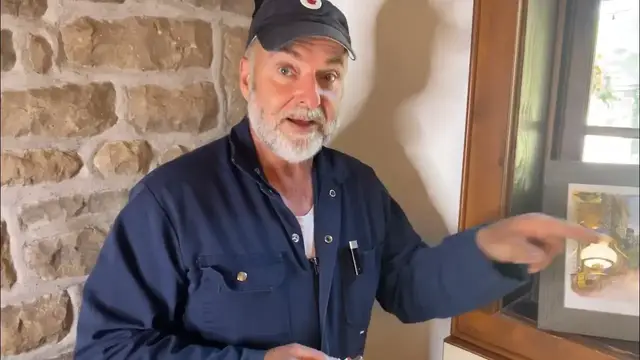
Well, I'm Mr. Fix-It, also known as Steve Maxwell, and I'm here with blue.living.com
0:05
and I want to show you a simple but fairly common plumbing problem and how to deal with it
0:12
I want to show you how to change the cartridge in a leaky faucet and that could be a
0:17
kitchen faucet like here or a bathroom, bathtub, shower. Different configurations are going to look different on the outside, but the basic procedure is the same and
0:27
no matter what you're dealing with, step one is to shut off the water. Because if you're taking the
0:34
cartridge out, that's the thing that holds the water back when you don't want it to flow
0:38
you have to hold the water back before it gets there. So ideally you'll find some valves
0:44
underneath or nearby somehow, and in this case there are a couple of valves, one for hot, one
0:49
for cold, under the sink. Occasionally you might have a fixture where there's no local shut off
0:57
valves available. In that case you're going to have to shut off the water to your whole house
1:02
but one way or the other that water's got to be shut off before you can continue
1:08
Now the the faucet I'm working on here is a single lever style, so hot and cold can be
1:14
controlled from the one lever. The procedure I'm showing you here will also work just the same
1:19
for faucets that might have two valves. The first thing to do is look at this and you're going to
1:27
notice there's nothing really obvious that we can loosen or undo in order to get into it, and that's
1:34
almost always the case. But this top of the faucet here, that's the key and that's where you start
1:41
There are two kinds of caps. This is just a decorative cap. This one happens to just push in
1:47
and I'm going to show you how I take it out. Others unscrew, so they they would loosen off
1:53
counterclockwise, and you can tell the difference because the ones that unscrew will have a metal
1:58
rim around the edge so you can grab it with a pair of pliers. This one has no metal rim
2:03
so I know it's one of the kind that you just pry, and a little kitchen knife does a good job
2:09
There you just kind of work it in underneath and voila! There you go. Now we can do something. We
2:18
can loosen something. This little machine screw here holds the lever handle on in place, and so
2:24
that's the first thing we need to take off. And if you're lucky, it just unthreads. Sometimes if
2:34
they're really old and corroded, it might give you some trouble, in which case you'll want to
2:40
put on some penetrating oil, let it sit for at least a few hours, and that can help you remove
2:45
the corroded fitting. So this is a small part, and I really don't want to drop it and lose it and
2:51
have it go down the drain, so I'm going to just put it in a safe spot to one side. Now this lever
2:58
handle should just lift off. Let's just see. There we go. It did. It might take a bit of wiggling
3:05
in order for it to come off. It all depends on how long it's there and how corroded it is, but
3:10
another valuable part that I'm just going to put to one side. Now these things here, the silver
3:18
decorative ring, that's got to come off as well, and in every case that I've ever seen
3:26
it just unthreads like that. So now we're getting down to business
3:33
This is the cartridge here. This is the stem of the cartridge, and you can see the top of it here
3:39
and then the rest of it disappears down below. What you'll need in almost every case is some
3:46
kind of an adjustable wrench to loosen this off. In this case, I can see there's a knot-shaped
3:53
thing here, and that's got to come off in order to release the cartridge. You do not want to use
3:59
a pair of pliers on this because you're going to chew it up. A pipe wrench is also not very good
4:05
It tends to chew things up as well, but an adjustable wrench is perfect, and the wrench just
4:12
goes on the flats of the nut, but you want those jaws to grip the top of this
4:20
nut as firmly as possible. So as you're tightening the adjustable wrench, which is what I'm doing now
4:26
you want to wiggle it back and forth a little bit so you get the maximum amount of tightening on
4:31
that. Now we're ready to loosen it. As with most things in the world, it loosens counterclockwise
4:39
Occasionally things loosen the other way, but almost never. So I'm going to put a little
4:44
pressure on. Yeah, there we go. Not too hard at all. That's another precious part I will be using again. This is the cartridge. This is that
5:03
replaceable valve I was telling you about, and in modern faucets and fixtures, when it drips
5:12
this is the culprit, and the whole thing is meant to be changed. There are countless
5:19
cartridges in the world, and you have to get the right one. I mean, literally, there could be
5:23
hundreds of different kinds. So what you want to do is shut your water off, take the cartridge out
5:30
and then if at all possible, take this to the store with you so that you can compare it. Now I do have
5:36
a new one here. This is the same thing, and it's going to do a good job for us. These cartridges
5:43
last for years without leaking, but there is something else you need to know as well
5:50
As I said, this is a Kohler. Other brands have the same arrangement of a lifetime warranty
5:57
on these things. So I've actually had this tap for 15 or 20 years. I've changed the cartridge
6:03
three or four times. I've never had to buy one. I just simply call them up on their hotline
6:08
tell them what kind of tap I have, and in the mail I get another cartridge. So
6:13
something to keep in mind. You might not have to pay for cartridges. Check before you actually go
6:18
to a store and lay out cash, because if you want, you can buy these cartridges the same way if you
6:22
don't know that you can get them free sometimes. Now here's one other thing. When you take a valve
6:27
out sometimes and the water is shut off, it's not unusual for a little bit of water to keep
6:34
coming out. What's happening there is water that was in the the neck of the faucet now can flow back
6:43
through and come out. So don't be alarmed if a little bit of water comes out for say, you know
6:48
out of five or ten seconds. If water keeps coming out and it doesn't seem to stop, then your shut
6:54
off valve probably isn't working properly. You still have a flow of water coming out. Now let's
7:00
get the new cartridge in place and get this thing buttoned up and see how it works. This is the new
7:06
one. This is the old one. You can see there's a difference in color there. Is that of concern
7:12
Well, no. The main thing is that the part number be the same. You can see there and there are the
7:19
same numbers. So it should work just fine. Now also in this particular case, and it's going to
7:26
vary, there's two little nubbins there that stick out. Well, they correspond with holes
7:33
in the actual fixture. So you can't just put it in any way around. You actually, in this case
7:39
there's some fixture, there's some holes back here. Not the holes that the water flow through
7:44
but holes that those little nubbins engage with so that the valve is oriented correctly
7:50
There we go. You see how that went in like that? So we're good. And time to put this back on
7:59
Now, oh, I've worked on this enough that I've already put on some Vaseline here on the threads
8:06
I strongly recommend that because it's going to make your life a whole lot easier next time
8:10
when you need to remove this to replace the cartridge. The Vaseline will stop corrosion, but it's not dirty and it's not smelly. It just works
8:22
Now, here's another tip. This is a great big wrench. I could completely crack that valve
8:29
to smithereens if I over-tightened it. You don't want to tighten it too much. You don't have to
8:33
You don't have to because there are o-rings on the bottom that do the sealing. So there
8:38
just about what you can push with one finger. That's plenty right there
8:46
Next step is the decorative ring goes back on. Once again, some Vaseline on those threads
8:53
You will thank yourself next time when it comes time to change that again
8:59
And then we just put that back on. Now, it's not flowing because I don't have the water
9:06
turned on yet, but it is working properly. I've put the handle on in the correct position
9:13
I mean, just to make a really obvious mistake, if I had put it around some other way, you know
9:19
whoops, that's not working. That's the wrong way around. So, need to pay attention to how it goes together. That's the way it's supposed to be
9:29
And then we've got that little screw that holds the faucet handle in place
9:37
If when you're putting something like this together, it does not thread in finger tight
9:45
and easily, it means you're doing what's called cross threading. And if you continue
9:52
maybe with a screwdriver, because it doesn't go in easily, then you're going to be hurting the
9:56
threads and really ruining your faucet. So it's got to go easily before you get to the tightening
10:03
part. And once again, I mean, this is a finesse job here. You don't need to tighten it like crazy
10:13
Just snug it up. And we've got the tap handle in the middle. We don't want to have our decorative
10:21
button, you know, with the words at an angle or anything like that. So pay attention
10:28
And there you go. Now, I'm going to go under the sink and turn those valves back on. And
10:33
let's see how the water flows. So the water's turned back on. I like what I'm seeing here
10:46
I'm not seeing any drips. That's a very good first sign. But I also want to test things. So
10:51
there we go. That's hot and cold together. That's cold only. That's hot only
10:57
Successful repair. All done. Are you wondering about how to fix anything around your home
11:04
big or small? Send us your question at editor at blue.living.com and we'll do our best to answer you
#Home Improvement
#Plumbing