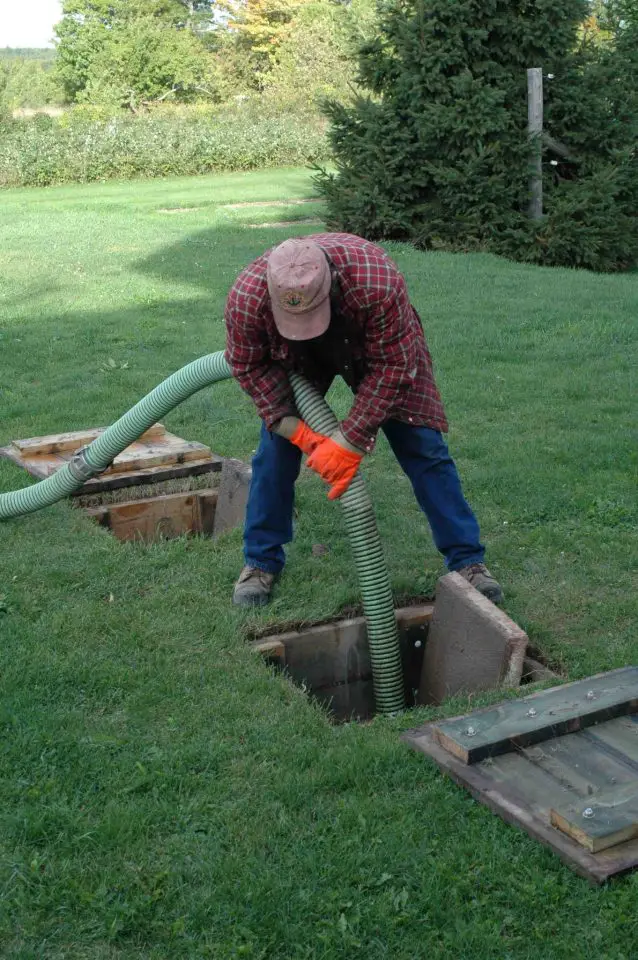
If you own a septic system, regular pump-outs are one of the cheapest ways to avoid a very expensive and troublesome failure. The hard part is that homeowners hear different advice from different places about the frequency of pump-outs. Some sources say every 3 to 5 years, while other guidance recommends pumping at least every 2 to 3 years. The truth is that pump-out timing depends on household size, water use, tank size, and how carefully the system is used.
My own rule of thumb is simple: for most homes, pumping every 2 to 3 years is the safer choice. Yes, some systems can go longer, but once solids build up too high, the risk is that sludge moves beyond the tank and into the leaching bed, clogging it. That’s where the real cost begins.
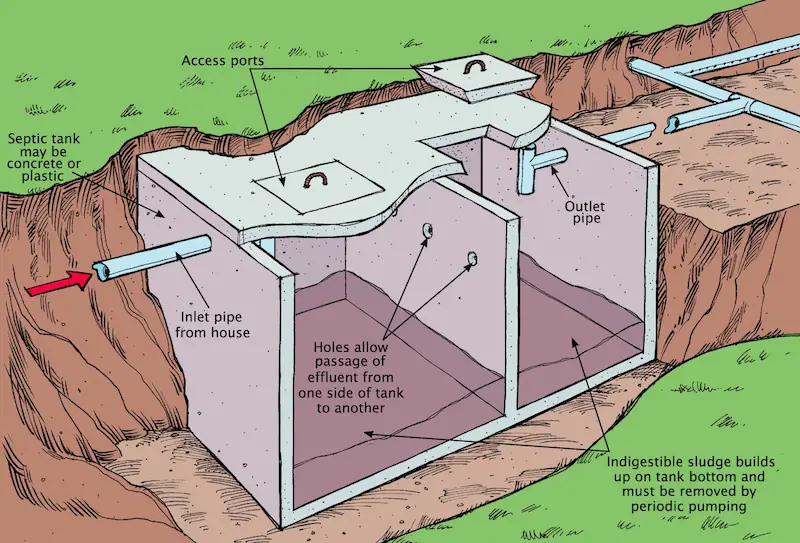
Why Septic Tanks Need Pumping
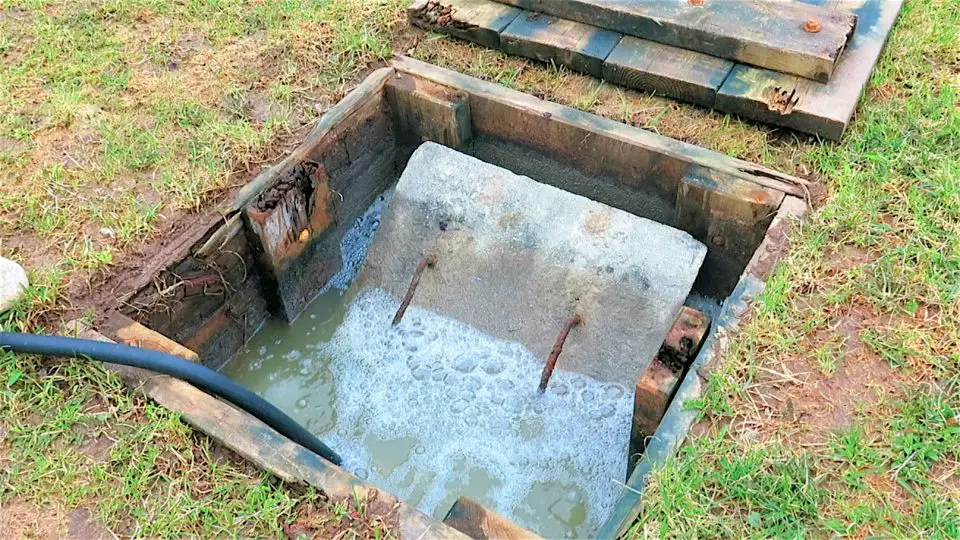
There’s a good reason septic tanks need pumping out, and it’s widely misunderstood. Pumping is necessary because not all the solids that enter the tank end up being liquified and discharged into the soil through the perforated leaching pipes. Slowly, over time, indigestible solids settle onto the bottom of the tank. The more the solids build up, the less working capacity the tank has, and the less time there is for waste to break down. Eventually, if the solids build up high enough, they’ll spill over into the next tank chamber, then ultimately into your leaching bed, plugging up the passages and causing sewage to back up like you see below. Not good. This is a “failed” system, but it’s not necessarily as bad as it looks, as I’ll explain.
How Often a Septic Tank Needs Pumping?
There’s no single pump-out schedule that fits every home. The right interval depends mostly on four things: how many people live in the house, how much water they use, how large the septic tank is, and how much solid material ends up in the system. Larger households, heavy laundry use, garburators, grease, wipes, and generally careless habits all shorten the time between pump-outs. Homes with lighter use may get by longer, but they still need regular attention.
Signs Your Septic Tank May Need Pumping Sooner
Even if you haven’t reached your usual interval yet, some warning signs mean it’s wise to act. Slow drains throughout the house, gurgling toilets, sewage smells, soggy ground near the tank or leaching bed, or wastewater backing up in the lowest fixtures can all point to a system that is overloaded or not draining properly. At that point, pumping may help, but it’s also important to make sure the problem hasn’t already moved beyond the tank. It may have, in which case pumping won’t help
I once saw a septic tank that hadn’t been pumped after 8 years of heavy use, and sludge was about half way up the second tank chamber, which always must be kept completely free of solids. This system failed 5 years later, but was revived without replacement using a jetting method I developed myself. I turned this approach into an online course called SEPTIC RESCUE.

A Practical Pump-Out Schedule for Most Homes
For many homeowners, these guidelines are a reasonable starting point:
1 to 2 people:
Often around every 4 to 5 years if water use is modest and the system is healthy.
3 to 4 people:
Often around every 3 to 4 years.
5 or more people, cottages with heavy seasonal use, or short-term rentals:
Often every 2 to 3 years, sometimes sooner. These are not hard rules, but they’re useful starting points. If you want the most cautious rule of thumb, every 2 to 3 years remains a smart schedule.
Septic Tank Pumping Advice for Homeowners
You’ll often hear more conservative maintenance advice than the general 3-to-5-year North American rule. That’s one reason I prefer recommending pump-outs every 2 to 3 years for most homeowners. It’s simple, easy to remember, and it gives you a wider margin of safety against solids getting into the leaching bed.
What Happens If You Wait Too Long?
When pump-outs are delayed too long, sludge and scum layers keep growing. The tank gradually loses its ability to separate solids from liquid properly. Once solids begin moving beyond the tank, the chances of clogging the downstream parts of the system go up sharply.
That’s why septic problems can be so expensive. A pump-out is cheap routine maintenance. A damaged leaching bed is repair work, disruption, mess, and much greater cost. That’s also why homeowners who can’t remember the last pump-out should take that as a warning sign in itself.
Septic Tank Pumping Advice for Homeowners
Iou’ll often hear more cautious advice than the broader North American 3-to-5-year guideline. Public-health guidance usually says to pump out your septic tank at least once every 2 to 3 years. That lines up closely with the recommendation in your current article, and it supports keeping that shorter interval as your main advice to readers. This doesn’t mean every septic tank will fail if it goes longer. It just means that 2 to 3 years is a sensible maintenance habit with a wider margin of safety.
If Worse Comes to Worst
The point here isn’t that every bad septic system can be saved by pumping. You might need to jet the leaching lines as I describe in my septic rescue course above, or you may need a complete rebuild (very expensive). The point is that neglect is expensive, while regular maintenance is cheap. Most people never need heroic septic solutions if they stay ahead of sludge buildup in the first place.
Cheap Prevention Beats Expensive Repairs
If your septic system seems to be working fine, it’s tempting to put pump-outs off. That’s exactly how trouble starts. A routine pump-out costs little compared with the price and disruption of septic-bed repairs or full system replacement. If you can’t remember the last time your tank was pumped, that alone is a good reason to schedule service.
Frequently Asked Questions
No, not usually. Pumping every 2 years is a conservative schedule, but it’s a practical one for larger households, heavier water use, cottages, rentals, or anyone who wants a wider safety margin.
Yes, some can. EPA guidance says many household tanks should pumped every 3 to 5 years, but that depends on occupancy, tank size, and usage habits.
There really are no “first signs”. Common septic issues include slow drains, gurgling plumbing, odours, wet spots near the system, or backups in low fixtures. But to be honest, if you see these signs it may be too late for a pump-out to do any good. This is why pumping on a schedule is so important.
No. Pumping restores tank capacity, but if solids have already reached and clogged the leaching bed, more work may be needed. The tank and the leaching bed are two completely different things.
Want more practical home improvement ideas like this?
Join the Bailey Line Road newsletter for weekly DIY tips, building advice and real-world solutions for homeowners.





I hope you found this content useful!
Your generous support helps me produce more practical, hands-on content that I hope you’ll find useful.
Steve Maxwell