- Video Watch Time = 6 minutes
Learn whether drywall should be installed vertically or horizontally in a basement, why horizontal hanging is usually better, and how to improve soundproofing and moisture resistance.
Key Takeaways
- Professional drywallers usually hang drywall horizontally, not vertically.
- Longer drywall sheets reduce the total number of joints to tape and finish.
- Horizontal joints are often less visible than vertical joints.
- Resilient channel can improve basement ceiling soundproofing.
- Basement finishing also needs to account for moisture and mold risk below grade.
Should drywall be installed vertically or horizontally in a basement? In most cases, horizontal installation is the better choice. Professional drywallers usually hang sheets sideways because longer panels reduce the number of joints, make taping easier, and leave seams that are often less noticeable. If you can get long sheets into the basement, horizontal hanging is usually the smarter approach.
Should Drywall Be Hung Vertically or Horizontally?
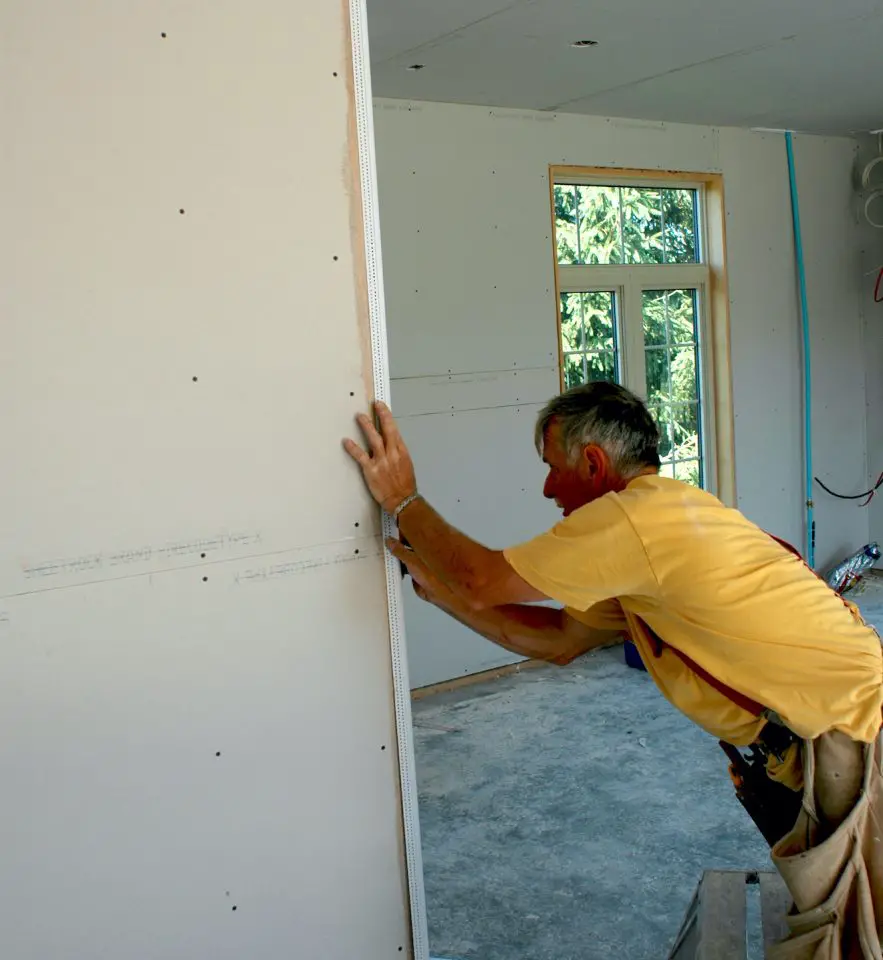
Every professional drywaller I have seen typically installs drywall horizontally, not vertically. This is especially true on full-height walls where longer sheets can cover more area with fewer seams.
Why professionals usually hang drywall horizontally
Horizontal drywall installation is popular because it reduces the total length of joints that need to be taped and finished. Fewer seams usually means less work, fewer opportunities for visible imperfections, and a better-looking final result.
How longer sheets reduce joints
In addition to standard 8-foot drywall sheets, building suppliers also carry 10- and 12-foot lengths. If you can get longer sheets downstairs into the basement, it makes sense to use them. They reduce the number of joints and place more of the taping work at a comfortable working height.
Why Horizontal Drywall Works Better in Basements
Basement walls often benefit from the same drywall practices used elsewhere, but the payoff can be even greater when you are working in tighter spaces and trying to minimize finishing work.
Fewer seams means easier taping and finishing
One practical advantage of horizontal hanging is that more of the finished joint length ends up about four feet off the ground. That is a much easier height for applying joint compound and tape than seams located in awkward places.
Horizontal joints are less noticeable
The article also notes a visual advantage: flaws in horizontal joints are often harder to see than flaws in vertical joints. That can make the finished wall look cleaner even if the workmanship is not absolutely perfect.

Basement Drywall Tips Beyond Sheet Direction
Drywall direction matters, but it is not the only issue worth thinking about in a basement.
How resilient channel improves soundproofing
If you want a quieter basement ceiling, resilient channel is a smart addition. Installed across the ceiling joists, it allows drywall to be fastened to the channel instead of directly to the framing, which improves sound resistance.
Why moisture and mold matter below grade
Basements need to be treated differently from above-grade rooms. The article warns that some common basement finishing methods can encourage mold and poor indoor air quality, especially when wood framing, fibre insulation, and vapour barriers are used below grade without proper planning.
Best Practices for Finishing a Basement Wall
Getting drywall direction right is important, but the best basement results come from looking at the whole system.
Think about access before using long drywall sheets
Longer sheets are helpful, but only if you can actually get them downstairs and into position. Measure access points before buying 10- or 12-foot drywall. That one step can save a lot of frustration.
Avoid basement wall systems that trap moisture
A basement finishing system should manage moisture, not trap it. Below-grade walls behave differently than walls above ground, so drywall decisions should be part of a broader moisture-conscious basement plan.
Frequently Asked Questions
Should drywall be hung vertically or horizontally?
In most cases, drywall is better hung horizontally, especially on basement walls, because it reduces joints and often leaves flaws that are less noticeable.
Why do drywallers hang drywall horizontally?
Drywallers usually hang drywall horizontally because it reduces the total length of seams and makes finishing easier.
Can you use long drywall sheets in a basement?
Yes, if you can get them downstairs. Ten- and 12-foot drywall sheets can reduce the number of joints and make the work easier overall.
Does horizontal drywall look better than vertical drywall?
Often yes. The live article notes that flaws in horizontal joints are harder to see than flaws in vertical joints.
What is resilient channel used for?
Resilient channel is used to improve soundproofing by separating the drywall from the framing slightly.
Why is mold a concern in finished basements?
Basements are below grade and handle moisture differently than above-ground rooms, so some common finishing methods can encourage mold and poor indoor air quality.
Want more practical home improvement ideas like this?
Join the Bailey Line Road newsletter for weekly DIY tips, building advice and real-world solutions for homeowners.





I hope you found this content useful!
Your generous support helps me produce more practical, hands-on content that I hope you’ll find useful.
Steve Maxwell