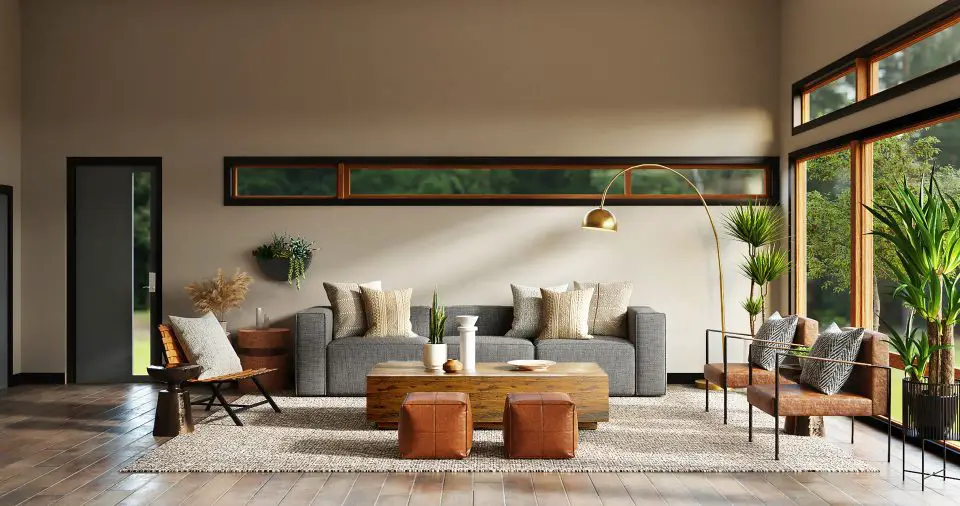
Home design is all about self-expression and putting your stamp on a place. However, it’s also about making a home that exists harmoniously with both its immediate environment and the planet as a whole. Sustainable interior design involves reducing waste, lowering energy consumption, minimizing carbon footprint, and creating healthier indoor living spaces. Here are some of the best green design choices to inspire the plans for your home.
Reclaimed and Recycled Materials
Reclaimed, repurposed, and recycled materials are one of the easiest ways to make your home more sustainable. Instead of buying new products, consider:
- Reclaimed wood for flooring, accent walls, and furniture; it not only reduces reforestation, but also adds more character
- Recycled metal and glass for countertops and backsplashes (and even decorative windows!)
- Salvaged bricks or tiles for building or renovating
These practices will reduce your carbon footprint, in many cases save you money, and provide an opportunity to support artisan craftspeople and local small businesses, like these DC interior designers.
Low-VOC Paints and Finishes
Traditional paints and finishes release volatile organic compounds (VOCs) into the air. These chemicals can lower the quality of your indoor air and even cause health issues. The best course of action is to look for low or zero-VOC paints. They look just as good on your walls but are much safer. In terms of finishes, look for natural options like plant-based oils for wood furniture.
Energy-Efficient Lighting and Smart Technology
Optimizing your home’s lighting helps set the ambiance, save the planet, and reduce your energy bills. Prioritize LED bulbs, as these use up to 75% less energy than the traditional incandescent kind, all while lasting longer. Installing a smart home control system, including a smart thermostat, can also help you use energy more efficiently. Finally, stick to solar-powered lights for outdoor areas to save even more electricity.
Sustainable, Ethically-Sourced Flooring
Flooring materials often contain synthetic chemicals or come from non-renewable sources. Here are some better options:
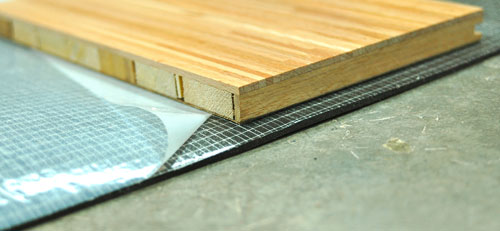
- Bamboo: this fast-growing plant is a more sustainable choice than hardwood.
- Cork: not only does it feel nice and soft underfoot, but it’s also naturally antimicrobial.
- Recycled tiles: these could be made from materials like glass or ceramic.
Eco-Friendly Furniture and Soft Furnishings
Unfortunately, many traditional fabrics contain harmful dyes and chemicals like perfluorinated and polyfluorinated alkyl substances, or PFAs. Often referred to as ‘forever chemicals’, not only do PFAS harm the environment, but they’ve been linked to everything from obesity to liver damage and cancer. Where you can, choose organic cotton, hemp, or linen for bedding and upholstery and opt for rugs made of jute or sisal. Avoid synthetic fabrics with plastic-based microfibers as these shed pollutants into the environment, especially when washed.
Endnote
Sustainable interior design is a winner all around: it benefits the planet by reducing harmful chemical pollutants being released into the environment, damaging ecosystems and plant and animal life. It’s also better for the health of you and your family. Finally, it’s a more economical way to live. Look for recycled and ethically sourced materials, utilize the latest energy-saving technology, avoid harsh chemicals, and choose your fabrics carefully. That way, you can create a home that’s both beautiful and responsible.





I hope you found this content useful!
Your generous support helps me produce more practical, hands-on content that I hope you’ll find useful.
Steve Maxwell