Large-scale construction projects involve much more than gathering materials and getting workers to the jobsite. From commercial buildings to industrial facilities and major infrastructure improvements, these projects require careful coordination at every stage. Decisions that are made during the planning process can affect project costs, schedules, safety, and the quality of the finished structure. Taking time to create a solid plan helps construction teams anticipate challenges, manage resources, and keep their work on track.
One important part of the preparation process is determining what equipment and resources will be needed for a project. Contractors may explore options like equipment rental near me when they need specialized machinery without purchasing it outright. The right rental arrangements can help businesses manage expenses while ensuring their workers have the tools they need for different stages of construction. Identifying these needs early on also makes it easier to coordinate equipment availability with a project’s schedule.
Establishing a Realistic Budget
Budgeting is one of the first major steps in planning a large construction project. Contractors must account for labor, materials, equipment, permits, transportation, and other expenses that may arise. It’s also important to set aside funds for unexpected expenses, since delays, changes in material prices, and unforeseen site complications can affect the cost of a project.
A detailed budget provides a financial framework for a project. It also helps decision-makers determine how resources should be allocated. At the same time, reviewing expenses as work progresses can help teams identify potential problems before they become larger financial concerns.
Evaluating the Job Site and Obtaining Permits
Before construction begins, a job site must be evaluated to determine whether it’s suitable for the project at hand. That may involve surveying the property, reviewing soil conditions, identifying drainage concerns, and considering access points for workers and equipment. Contractors must also determine which permits and approvals are required. Depending on the project, those may include building permits, environmental regulations, zoning requirements, and inspections. Addressing these matters early can help prevent delays once construction begins.
Coordinating Materials and Equipment
Large projects often require substantial quantities of materials and a variety of equipment. Concrete, steel, lumber, electrical supplies, and other building materials must arrive when they’re needed. Ordering too early can create storage challenges while late deliveries may leave crews waiting and cause disruptions.
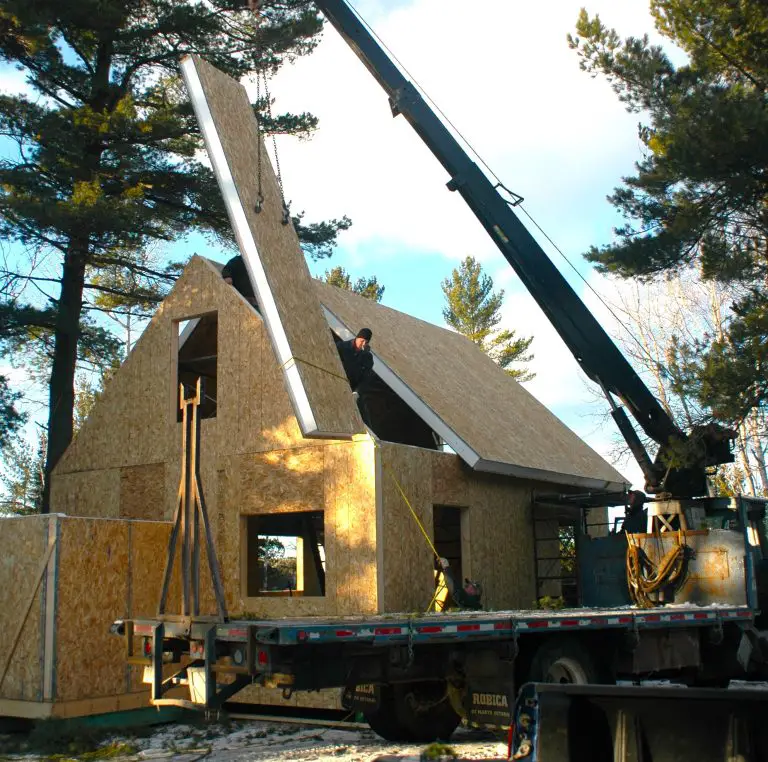
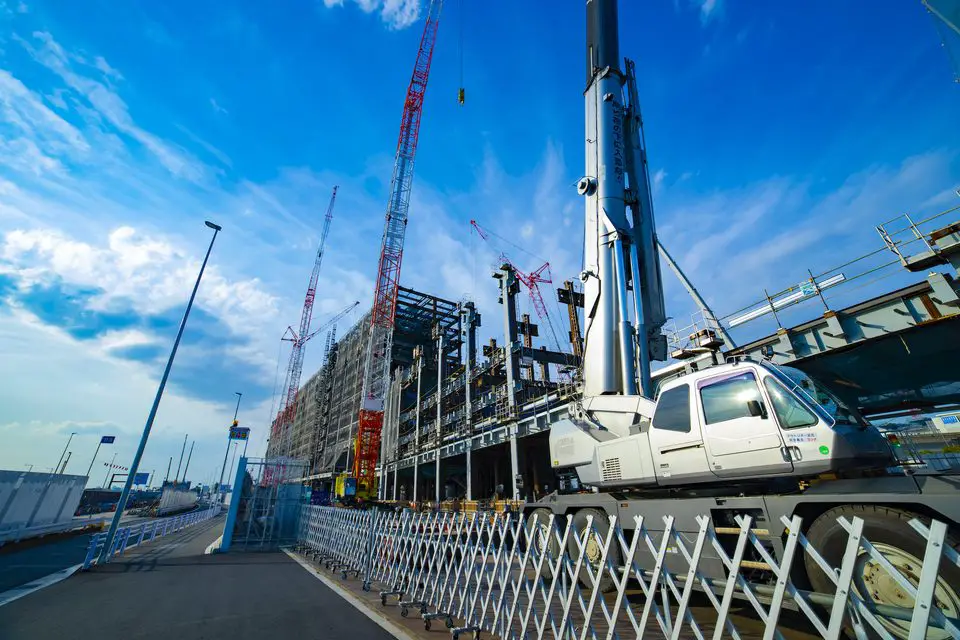
Equipment planning is equally important. Contractors need to consider the machinery they need for excavating, lifting, material handling, and other specialized tasks. They should also account for transportation, maintenance, operating requirements, and the availability of qualified equipment operators.
Creating a Construction Schedule
A detailed schedule helps establish the order in which different phases of a project will take place. Site preparation, foundation work, structural construction, electrical installations, plumbing, and finishing work are all important considerations. They must be coordinated so that one stage can move smoothly into the next.
Some activities can take place simultaneously while others depend on the completion of earlier tasks. Project managers must account for these relationships when they’re assigning deadlines and scheduling workers. Weather conditions, inspections, and material deliveries should also be considered when developing realistic timelines.
Planning for Safety
Safety should be a priority throughout the planning process, not something that’s addressed only after work begins. Large construction sites can involve heavy machinery, elevated work areas, electrical systems, and numerous other hazards. Project planners should establish safety procedures, identify potential risks, and determine what protective equipment and training workers will need. Clear communication can help reduce accidents and create a safer working environment for everyone involved.
Maintaining Communication and Oversight
Successful construction projects depend on cooperation among contractors, subcontractors, suppliers, project managers, and property owners. Everyone needs to understand their responsibilities, important deadlines, and any changes that may affect their work. Regular progress meetings and updates help keep different teams informed. They also give project managers opportunities to identify scheduling concerns, address problems, and make adjustments when necessary.
Building a Strong Foundation for Success
Planning a large-scale construction project requires attention to financial, logistical, and operational details. By establishing a realistic budget, evaluating the job site, coordinating resources, and developing a workable schedule, contractors can reduce uncertainty and prepare their teams for the work ahead. Careful planning doesn’t eliminate every challenge, but it helps everyone involved complete a project safely, efficiently, and successfully.





I hope you found this content useful!
Your generous support helps me produce more practical, hands-on content that I hope you’ll find useful.
Steve Maxwell