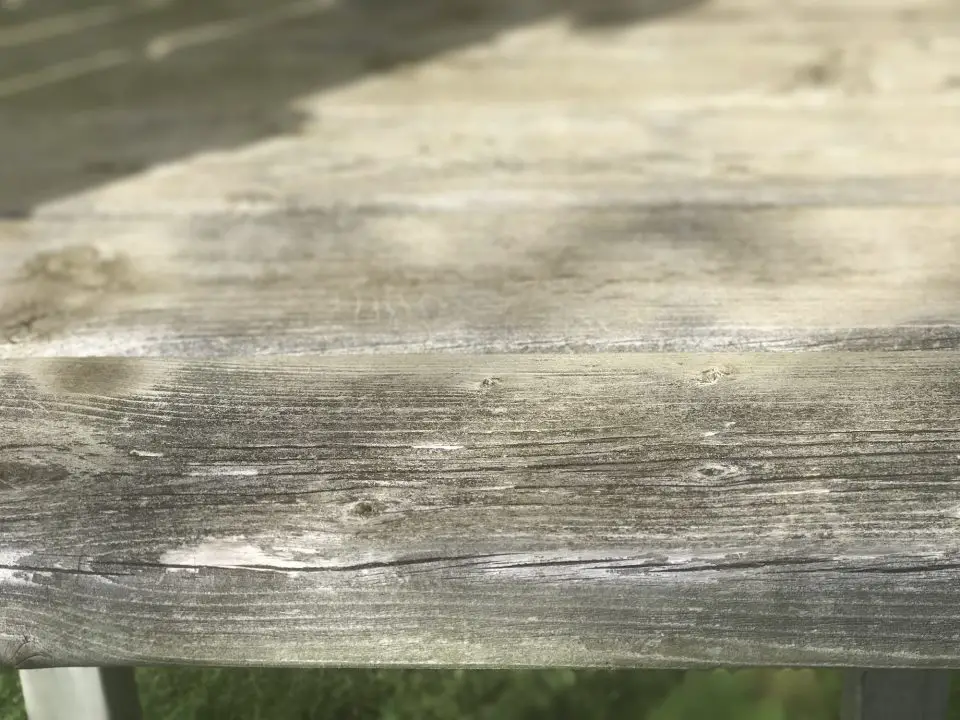
Pressure-treated wood is the most common and economical lumber for decks, fences, pergolas, and many other outdoor projects. It lasts far longer than untreated wood, but it is not rot-proof. If pressure-treated wood stays wet long enough, it can still decay, sometimes much sooner than homeowners expect.
I’ve seen pressure-treated lumber turn soft and rotten in less than 20 years. The surprising part is that the wood itself usually isn’t the main problem. More often, early failure happens because of trapped moisture and poor connection details. When water can’t drain and wood can’t dry, rot eventually follows.
Pressure-treated wood is not rot-proof.
It lasts best when water can drain away quickly, wood can dry thoroughly, and compatible fasteners are used.
Why Pressure-Treated Wood Still Rots
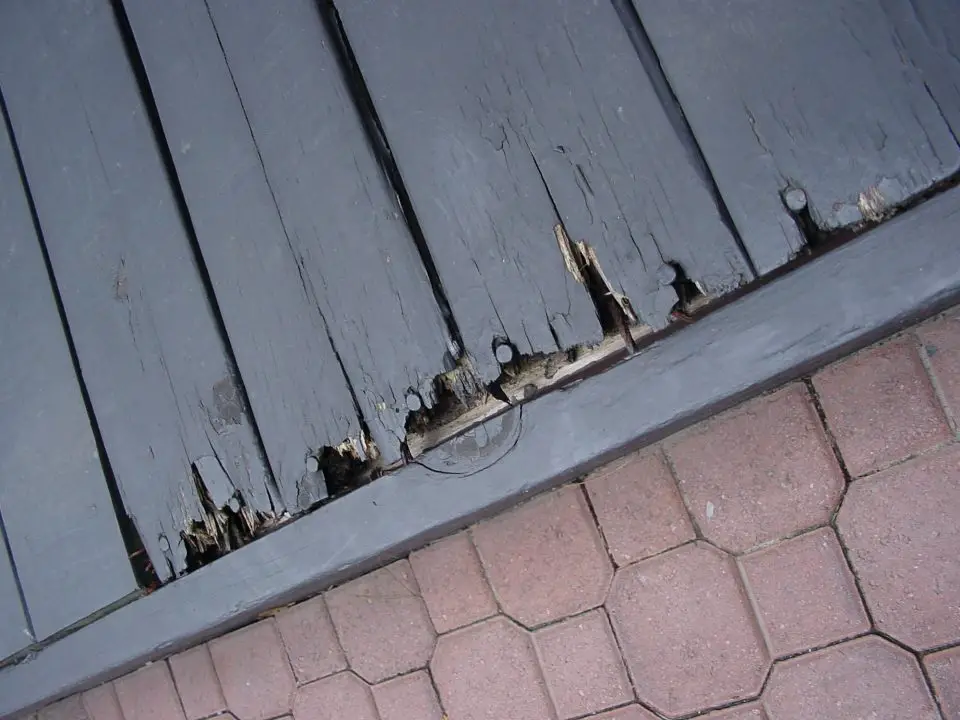
A lot of people assume pressure-treated wood is immune to rot. It isn’t. Preservative treatment slows decay dramatically, but it does not make wood waterproof, and it does not prevent failure when moisture stays trapped for long periods. The Canadian Wood Council notes that the effectiveness of treated wood depends on treatment retention and penetration, while use conditions determine how hard the wood has to work in service.
Where Pressure-Treated Wood Usually Fails First
In my experience, pressure-treated wood usually fails where water lingers and airflow is poor. Common trouble spots include deck boards sitting flat on joists, built-up beams where boards are pressed tightly together, post bases, and posts buried in soil or concrete. These are all places where moisture can remain trapped after rain or snowmelt.
How to Build Outdoor Projects So PT Wood Dries Faster
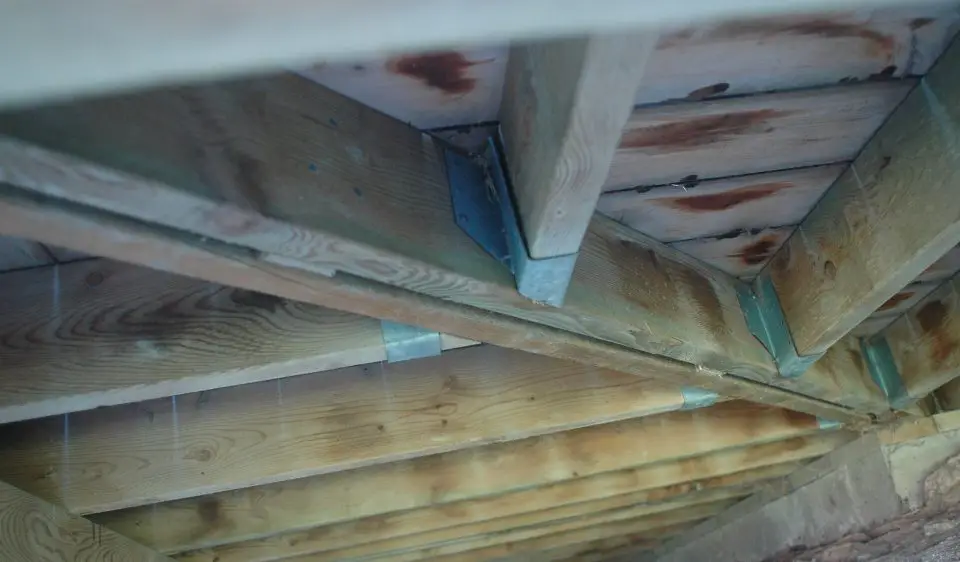
The goal is simple: keep water from lingering. Anything that improves drainage and drying can extend service life dramatically. Spacers between built-up beam layers, joist tape on the tops of deck joists, and connection details that reduce tight wood-to-wood contact all help. Even small design changes can make a big difference because decay fungi need sustained moisture to thrive. This design logic is consistent with current treated-wood guidance that emphasizes matching treatment and detailing to exposure conditions.
The Best Fasteners for Pressure-Treated Wood
Modern pressure-treated lumber is harder on metal fasteners than many homeowners realize. Wood Preservation Canada says fasteners used with ACQ, CA, CCA, or MCA treated wood must be hot-dipped galvanized to ASTM A153 or stainless steel, and it recommends stainless steel for maximum corrosion resistance. That makes fastener choice just as important as wood choice in many outdoor projects.
Should You Use Stainless Steel or Galvanized?
If maximum durability matters, stainless steel is the premium choice. If cost matters more, hot-dipped galvanized hardware rated for treated wood is the minimum standard. In places that would be hard to repair later, stainless steel is often worth the extra money. That recommendation fits current treated-wood guidance, especially for severe exterior conditions.
Is Foundation-Grade Pressure-Treated Wood Worth It?
For the most demanding situations, foundation-grade pressure-treated wood can be a worthwhile upgrade. Canadian Wood Council material on permanent wood foundations says lumber and plywood used in preserved wood foundations must be treated with CCA and identified for that use. That is a higher and more specific standard than ordinary residential deck lumber, which helps explain why foundation-grade material can perform so well in difficult exposure conditions.
How Long Should Pressure-Treated Wood Last?
There is no single answer because longevity depends heavily on climate, treatment level, exposure, detailing, and fastener choice. Well-detailed treated wood that dries quickly can last for decades. Poorly detailed treated wood that stays wet can fail far sooner. That is why the most practical question is not just “how long does PT wood last?” but “does this design let the wood dry fast after it gets wet?”
FAQ
Because pressure treatment slows decay but does not make wood waterproof. If water stays trapped long enough, rot can still develop.
Yes. Ground contact is one of the hardest exposure conditions for wood, which is why treatment level matters and why ordinary above-ground lumber is not the same thing as wood rated for soil contact or preserved wood foundation use.
Stainless steel offers the best corrosion resistance. Hot-dipped galvanized fasteners rated for treated wood are the usual lower-cost alternative. Wood preservation authorities recommends hot-dipped galvanized or stainless steel for ACQ, CA, CCA, and MCA treated wood.
Yes. Research and industry guidance show higher corrosion rates with CA and ACQ formulations than with older CCA-treated reference samples, which is one reason fastener selection matters so much today.
It can be, especially where replacement would be difficult or where wood will face severe exposure. Preserved wood foundation standards in Canada require CCA-treated lumber for that application, reflecting a higher durability expectation than ordinary retail deck lumber.




I hope you found this content useful!
Your generous support helps me produce more practical, hands-on content that I hope you’ll find useful.
Steve Maxwell