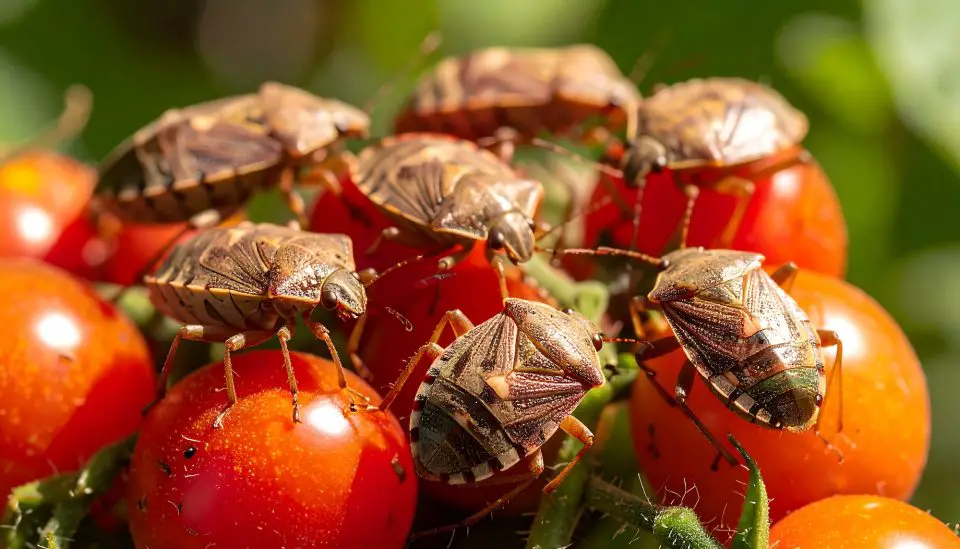
Every fall, Grand Rapids homeowners notice the same seasonal visitor working its way indoors: the brown marmorated stink bug. These insects show up on window screens, cluster near doorframes, and occasionally drop from ceiling fixtures at the most inconvenient moments. For pet owners, this seasonal invasion raises a practical question beyond simple annoyance. Cats and dogs are naturally curious about small, slow-moving insects, and a stink bug wandering across the living room floor is exactly the kind of thing a pet is likely to investigate, bat around, or attempt to eat.
Understanding why these insects show up in such numbers each year, where pets are most likely to encounter them, and what actually happens if a pet does interact with one gives Grand Rapids homeowners a clearer, less alarmist picture of a genuinely common seasonal situation.
Why Stink Bugs Move Indoors During Seasonal Changes
Stink bugs are drawn indoors primarily as a response to dropping temperatures, seeking a warm, sheltered place to overwinter as outdoor conditions become inhospitable. This seasonal shift typically becomes noticeable in Michigan starting in early to mid fall, as the insects begin gathering on sun-warmed exterior walls before working their way through any available gap into a home’s interior. Once temperatures drop further, indoor activity tends to increase as the insects settle into wall voids, attics, and other protected spaces to wait out the winter.
Grand Rapids homes, like much of West Michigan, see fairly consistent stink bug pressure each fall given the region’s established brown marmorated stink bug population, an introduced species that has spread across much of the Midwest since first appearing in the United States. Homes with older exterior seals, gaps around siding, or attics with limited weatherproofing tend to experience heavier indoor activity than more recently updated properties, simply because there are more accessible entry points available.
Where Pets Are Most Likely to Encounter Stink Bugs
Windows and doors represent the most common contact points between pets and stink bugs, since these are the areas where the insects congregate most visibly while attempting to find their way either in or back out. A cat perched on a windowsill, a favorite spot in many households, is often the first to notice a stink bug working its way along the frame, and the insect’s slow, deliberate movement makes it an easy target for batting or pouncing.
Attics and upper-level spaces see substantial stink bug activity as well, particularly in homes where pets have access to these areas. Dogs and cats that spend time in finished attic spaces or upper floors near roof access points may encounter larger numbers of stink bugs than pets confined to main living areas, since these upper spaces often serve as the insects’ primary overwintering sites within a structure.
Indoor living spaces generally see occasional individual stink bugs rather than large clusters, since most of the population tends to remain concentrated in wall voids and attic spaces rather than actively wandering through occupied rooms. Even so, a single stink bug making its way across a kitchen floor or along a baseboard is often enough to catch a curious pet’s attention.
What Happens When Pets Investigate or Eat Stink Bugs
Stink bugs release a distinctive, unpleasant odor when threatened or crushed, a defense mechanism that gives the insect its name and that most pets discover firsthand fairly quickly. This defensive chemical is generally not considered toxic in the way that many household hazards are, and the majority of pets that investigate, bat around, or even swallow an occasional stink bug experience nothing more serious than excessive drooling, temporary distaste, or mild digestive upset.
For Grand Rapids pet owners, seasonal concerns often lead to searches for are stink bugs dangerous for pets grand rapids michigan as these insects begin appearing indoors each fall. The insects themselves are not venomous and do not carry toxins capable of causing serious harm in the small quantities a curious pet might typically consume. The defensive spray’s bitter taste and strong odor are often enough to discourage a pet from eating more than one or two, which limits the exposure even in households where pets show persistent interest in the insects.
That said, a few specific concerns are worth pet owners’ attention rather than dismissal. Repeated ingestion of multiple stink bugs in a short period can occasionally lead to more noticeable gastrointestinal upset, including vomiting or diarrhea, particularly in smaller pets with less tolerance for unfamiliar substances. Pets with known sensitivities or allergies may also react more strongly than a typical animal would, though this kind of reaction remains uncommon based on general veterinary consensus regarding stink bug exposure. Owners noticing persistent vomiting, unusual lethargy, or drooling that does not resolve within a short time after a suspected stink bug encounter should contact a veterinarian, since these signs could indicate an unrelated issue worth ruling out rather than a typical stink bug reaction.
Fully answering are stink bugs dangerous for pets Grand Rapids Michigan pet owners ask about also means acknowledging that individual pet sensitivity varies, and general reassurance about low toxicity does not replace attentive observation after any unusual insect encounter.
Reducing Indoor Stink Bug Activity Around the Home
Since most pet encounters with stink bugs happen simply because the insects have already found their way indoors, reducing entry points offers the most effective long-term solution for households wanting to limit these seasonal run-ins. A focused fall maintenance routine addresses the areas where stink bugs most commonly gain access:
- Seal gaps around window and door frames using weatherstripping or caulk, checking especially for wear on older installations
- Repair or replace torn window screens, since even small tears provide enough space for stink bugs to squeeze through
- Check attic vents and soffit areas for gaps or damaged screening that could allow insects into overwintering spaces
- Inspect siding and exterior trim for small gaps where panels meet unevenly, sealing any found with appropriate exterior sealant
- Address gaps around utility penetrations, such as where cable lines or dryer vents pass through exterior walls
Completing this kind of inspection in early fall, before stink bugs begin actively seeking entry points in large numbers, tends to produce better results than waiting until the insects have already established themselves in wall voids or attic spaces for the season.
Managing Stink Bugs Already Indoors
For stink bugs that have already made their way inside despite preventive efforts, removal is generally straightforward and does not require any special handling precautions related to pet safety. Using a vacuum with a disposable bag, or capturing the insect in a container and releasing it outdoors, avoids the strong odor that comes with crushing the insect directly. Pet owners with particularly curious animals may want to address visible stink bugs promptly rather than leaving them to be discovered by a pet first, simply to minimize the frequency of these encounters rather than out of any serious safety concern.
End Note
Stink bugs are a predictable, seasonal presence in Grand Rapids homes each fall, and their tendency to wander across windowsills and floors makes pet encounters fairly common in households throughout the region. The good news for concerned pet owners is that these insects pose minimal genuine risk, with most encounters resulting in nothing more than a brief bout of drooling or mild stomach upset rather than any serious health concern. Sealing entry points, repairing screens, and checking attic and exterior access areas each fall remains the most effective way to reduce how often pets and stink bugs cross paths in the first place, keeping this seasonal nuisance manageable rather than genuinely worrying.





I hope you found this content useful!
Your generous support helps me produce more practical, hands-on content that I hope you’ll find useful.
Steve Maxwell