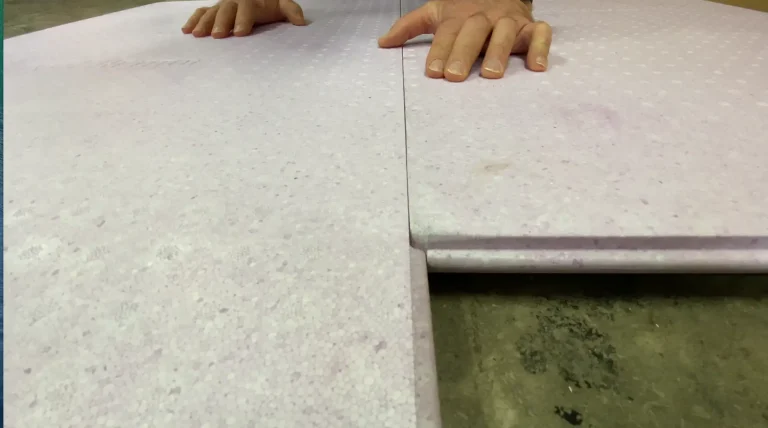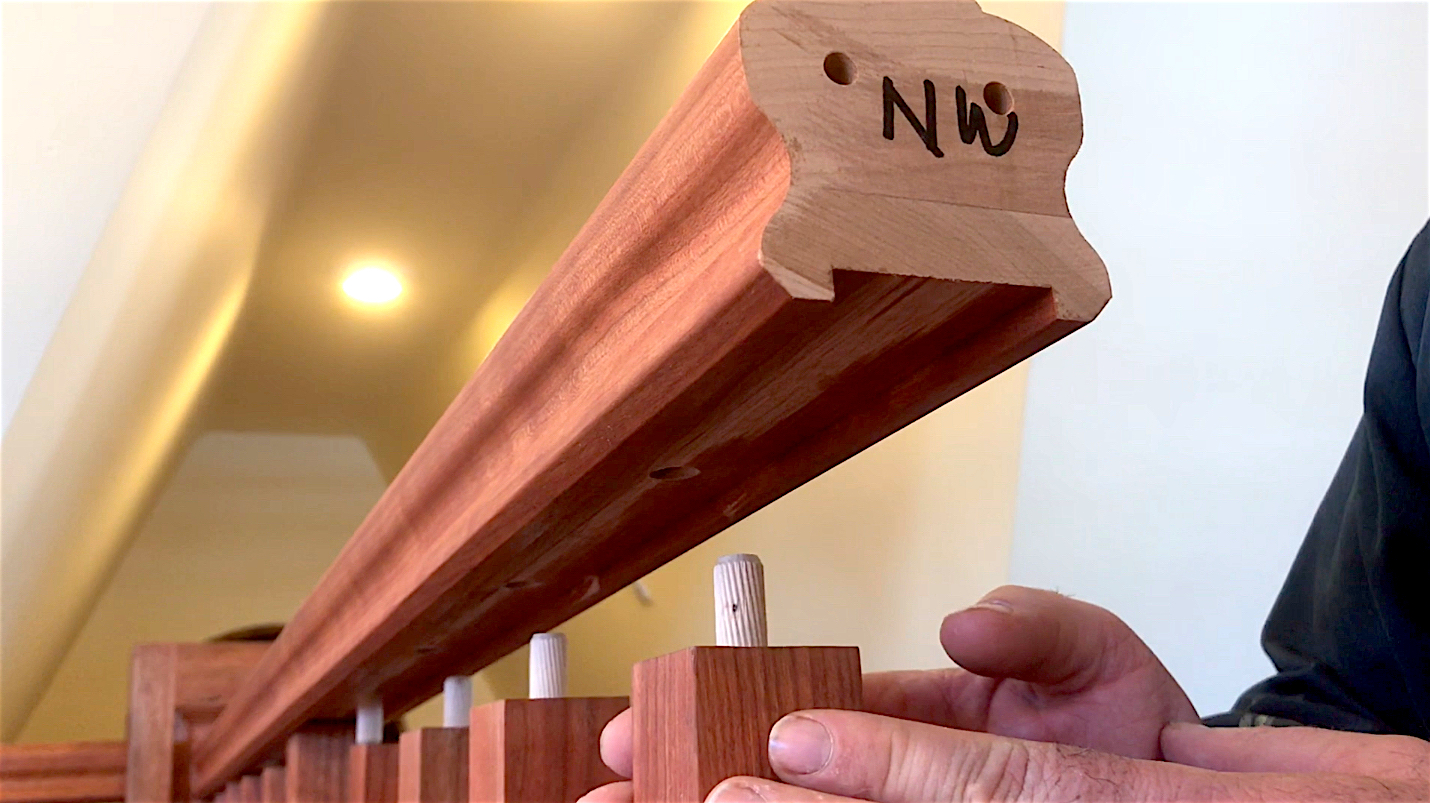
There’s something satisfying about a solid, classic stair railing. That’s why I like what they call “box newel” railings. The name comes from the frame-and-panel newel posts that support the railing at each end. Click above for a 10-minute tour of a box newel stair railing I completing in April 2018. Even if you don’t plan to build a railing like this yourself, I think you’ll find the process interesting. It’s my own design and approach, but it’s made to look vintage.

Similar Posts
The Biggest DIY Home Improvement Mistakes (And How to Avoid Them)
As a homeowner, you’ll need to continuously repair and update the space to reflect your needs. This can cost a lot of money, but you can save a lot when you do the work yourself. DIY (do-it-yourself) home improvement is…
Best Window Styles to Consider For Basement Renovation
Choosing the best windows for your basement renovation project can be tough, especially if you don’t pay attention to the little details involved in basement window replacement. Here are ideas to help you make the best choice. Some of the…
The Lifespan of Different Plumbing Pipe Materials
The durability and efficiency of plumbing pipes depends on the type of material used to make them. Pipes made from different materials have varied benefits and lifespans that may influence your choice based on what your plumbing work requires. Knowing…
How to Choose the Right Chandelier Fan for Your Space
Among the myriad options for light fixtures, chandelier fans stand out as a perfect blend of functionality and elegance. These fixtures not only provide illumination but also offer the added benefit of cooling, making them ideal for various settings, from…
Choosing a Sunroom Heating System for a Home Addition
Steve Maxwell, Canada’s Handiest Man, helps make sense of home heating system choices including radiant infloor heating, electric baseboard heaters, etc.
Do Sump Pumps Use a Lot of Electricity? Breaking Down Energy Consumption
Sump pumps play a crucial role in keeping some basements dry and protecting homes from flooding. Many homeowners are concerned about whether these necessary devices consume a significant amount of electricity. A typical sump pump uses between 300 to 800…