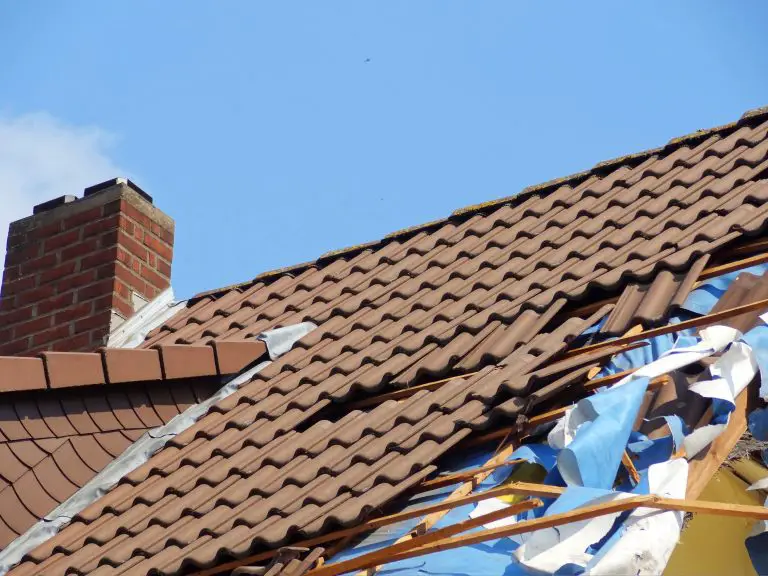
Construction sites produce mountains of waste daily. As builders work, materials get cut, destroyed, or simply never used—adding to a growing problem that affects the planet as much as it does project costs. While most construction workers continue to toss everything into one dumpster, improved methods are changing the way the industry handles its waste. Let’s learn about the main types of construction waste, why managing them is necessary, and simple steps any construction team can take to reduce their environmental footprint.
Benefits of Managing Waste During Construction
When construction workers efficiently deal with waste on construction sites, everyone benefits. Below are the most common benefits of proper construction waste management.
1.Reduced Costs: Contractors save money when they waste less material. Making better use of materials means buying less in the first place. When workers separate recyclable materials, they often pay lower fees to dispose of them. Builders even win more contracts by offering better prices due to these cost savings. As clients now prefer to work with “green” contractors, there’s a marketing advantage for companies that manage waste well.
2. Fewer Accidents On-Site: With trash being picked up regularly, workers have clear paths with no tripping hazards. Safe disposal of hazardous waste keeps workers away from harmful exposure to toxic chemicals. When workers know what materials are hazards, they are treated more cautiously. This helps reduce on-site injuries and maintains better working conditions.
3. Reduced Landfill Waste: Construction waste takes up valuable landfill space when it’s not properly managed. Recycling materials keeps them from ending up in landfills and creating methane emissions. Properly storing and covering waste materials prevents stormwater from carrying contaminants off-site. These practices ensure local water resources and surrounding areas are protected.
4. Increased Environmental Performance: Proper waste management reduces environmental impact in several ways. Recycling construction materials decreases the amount of natural resources needed to make new products. It also decreases the amount of greenhouse gas emitted from the production of new materials. Proper waste practices also reduce the risk of spills that can pollute soil or water, ensuring a healthier environment for everyone.
5. Enhanced Community Benefits: Responsible construction waste management yields tangible benefits for communities. Neighborhoods are less polluted and have a cleaner environment. Dumpster rental facilities in their community create jobs processing construction materials. Proper waste handling also reduces health concerns surrounding the disposal of waste. When construction sites properly handle waste, then communities are more likely to support their projects, which leads to improved builder-resident relations.
What Is Considered Waste in Construction?
Construction waste is anything used in construction, renovation, or demolition activities. Some of the main types are:
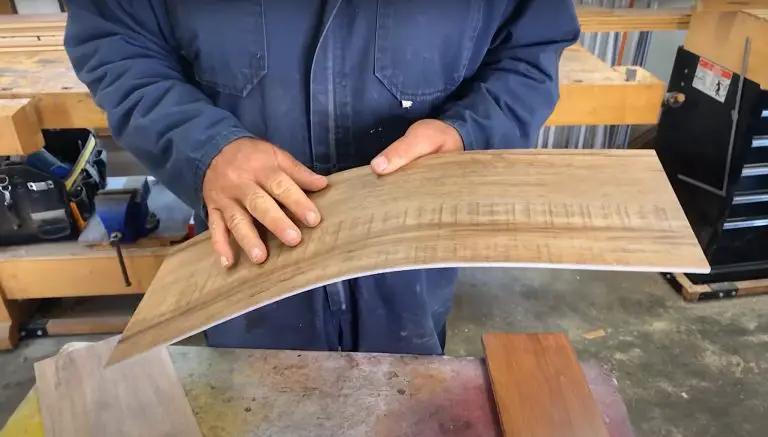
- Wood Waste: Construction generates a lot of wood waste, including cut wood, plywood, and sawdust. This may have the potential to be reused but usually ends up being discarded along with plastic materials like PVC pipes and insulation.
- Packaging Waste: Roughly one-third of the waste produced by construction sites is packaging material, including plastic wrap, cardboard boxes, and timber pallets used to ship materials. Most of this could be recycled or reused instead of being thrown away.
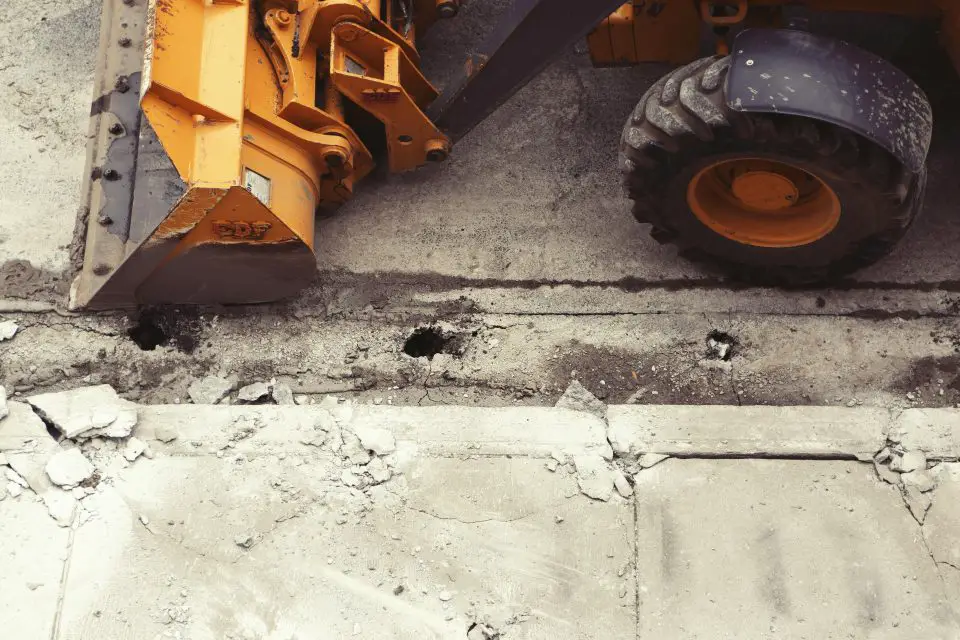
- Concrete Debris: Bricks and concrete are the heaviest components of construction waste. They can be crushed and recycled for use in other projects, though their weight makes them difficult to transport and dispose of.
- Hazardous Materials: Construction sites produce hazardous waste like insulation containing asbestos, lead paint, chemical solvents, and tainted materials. It requires special hazardous waste disposal services to prevent environmental pollution and health risks.
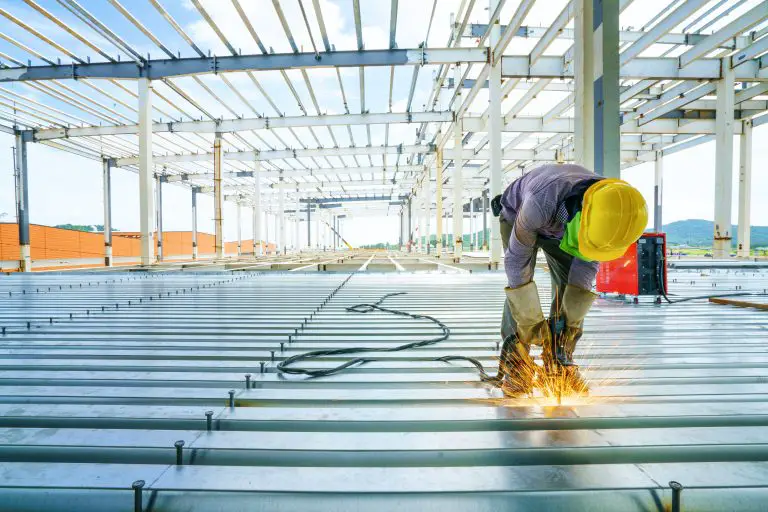
- Metallic Waste: Metal scraps from pipes, wires, and building structures are common on building sites. Most of the metals can be recycled; however, toxic metals need to be handled properly.
- Soil: Site excavation produces enormous amounts of dirt, rock, and organic debris that must be removed before construction can take place. A lot of this material is recyclable but too heavy to be transported as anything other than waste.
Waste Management Best Practices for Construction Sites
For effective construction waste management, these are the best practices you must follow:
1. Pre-Construction Planning: Smart waste planning at the beginning prevents costly problems later. You’ll also save a great deal by having the exact materials you need rather than ordering more supplies to be wasted. Pre-fabricated components reduce on-site cutting waste and speed up assembly time.
2. Waste Storage Facilities: Well-planned dumping grounds transform site cleanliness and worker productivity. Different types of waste need separate containers with clear labels showing what goes where. Dumpster rental companies offer flexibility with a variety of container sizes as your project phases change. Strategic placement near high-activity zones reduces opportunities for improper dumping and disorganized piles of trash.
3. Employee Training: Workers need to understand why and how to manage waste properly on your site. Brief, interactive training sessions prove to be more effective than long lectures about environmental policies. You can use real examples from your own site to make everyone understand what belongs in each container. Success depends on making waste handling personally meaningful to every worker and not just another regulation to follow.
4. On-Site Recycling Initiatives: Having recycling stations right on your site cuts landfill waste dramatically. Most materials like wood, metal, and concrete can be recycled if they’re sorted and kept clean. Some projects require individual bins for each material, while others prefer one mixed recycling bin that gets sorted later. Mobile crushing machinery can crush concrete on your site, eliminating hauling fees and producing reusable material.
5. Reuse and Donate Materials: Looking for ways to reuse materials on-site can save you money. Creating a single storage area for usable scraps lets workers check there before introducing new materials. Many community organizations gladly accept leftover building materials for their projects. Even damaged materials like wooden pallets can be repaired or disassembled for other uses instead of being discarded.
6. Work with the Right Partners: The recycling companies you choose can make or break your construction project. Get prospective partners to tell you how much they recycle and whether they can provide you with reports showing where your materials end up. Regional legislation will generally dictate special handling of certain types of waste, so your partners should be aware of this. Building relationships with recycling companies will generally lead to more successful outcomes than simply using general waste companies.
7. Keep Hazardous Waste Separate: Paint, solvents, adhesives, and other chemicals should be treated separately so that the environment remains safe. Safe hazardous waste disposal prevents dangerous chemical reactions between incompatible chemicals that could ignite a fire or emit poisonous gases. Storing hazardous materials in their original labeled containers is one method of making it easy for everybody to identify and dispose of them safely. Hazardous waste collection ensures these chemicals are treated instead of contaminating the landfills.
8. Schedule Waste Collection: Regular collection schedules eliminate overfilled dumpsters that are an eyesore and safety hazard. Scheduling collections based on your work schedule prevents delays to construction activities. Open communication with your waste hauler prevents delays or missed pick-ups. As your project progresses, adjusting collection frequency prevents paying for half-full container pick-ups.
9. Conduct Waste Audits: Checking what’s really in your trash cans reveals where you can change your sorting practices. Sharing audit findings with your workers makes them understand the real impact of their daily waste decisions. Comparing your trash quantities to industry standards informs you where you’re doing well and where you must improve.
10. Post-Project Review: Looking back on your waste management provides lessons to be applied for future projects. Calculate the amount of material you excluded from landfills to provide concrete evidence of your green activities. Sharing successful techniques with customers and employees enhances your sustainable image. If you document successes and failures, good ideas become standard procedures for your next project.
Building a Sustainable Future in Construction
Construction companies that manage waste responsibly have clearer sites, save money on dumping, and enjoy better relations with the public. Smart builders today see every scrap of wood, concrete, and metal as a possible resource rather than trash to be hauled away. When construction workers take the time to sort and recycle, they create a safer workplace while reducing harm to the environment. Clients increasingly seek companies that own up to how they dispose of excess material. By carefully deciding on the waste today, contractors aren’t just completing work—they’re working toward a more environmentally friendly industry for tomorrow.





I hope you found this content useful!
Your generous support helps me produce more practical, hands-on content that I hope you’ll find useful.
Steve Maxwell