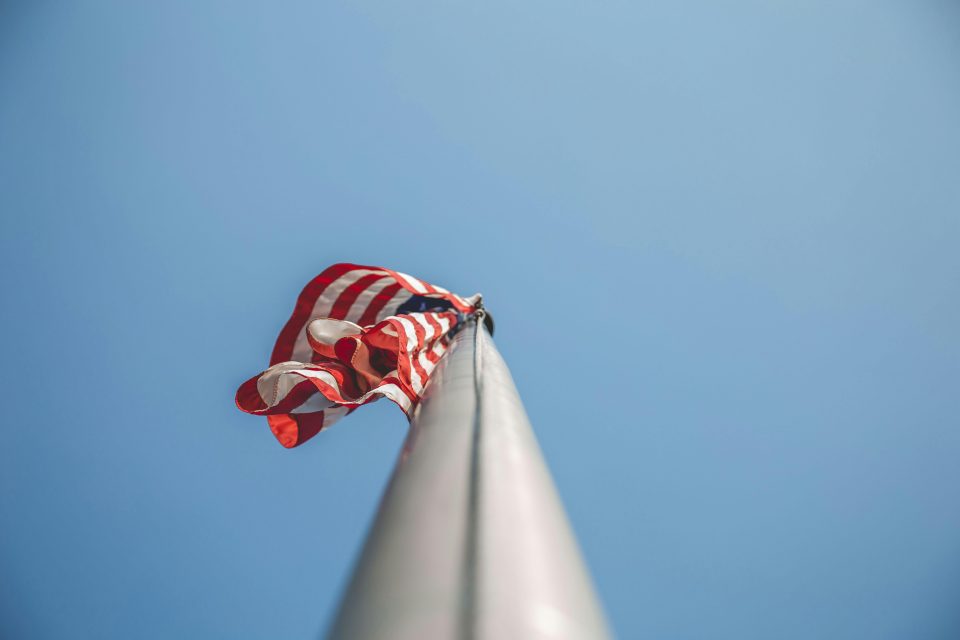
A flagpole is more than just a pole in the ground. It’s a statement. A symbol of pride. And, often, a centerpiece in front of homes, schools, and offices. But here’s the thing—flagpoles need care. Just like cars need oil changes or roofs need cleaning, flagpoles need regular upkeep too.
This is especially true with residential flagpoles. They face wind, rain, dust, and sun every day. And if you’re flying the US flag, you want it to wave proudly from a pole that’s sturdy, clean, and safe. In this guide, you’ll find everything you need to know about keeping your flagpole in tip-top shape. From cleaning tricks to seasonal checks—read on, and your flag will fly high for years to come.
How Often Should You Service Your Flagpole?
There’s no one-size-fits-all answer. But as a general rule:
- Monthly: Do a visual check. Look for wear on the halyard, rust spots, or wobbling.
- Quarterly: Clean the surface and inspect moving parts.
- Annually: Consider a full inspection, especially if your area gets storms or strong sun.
If your flagpole is near trees or a busy street, you might need more frequent check-ups. The key? Consistency. A few minutes every month saves big bucks later.
Common Flagpole Problems (and How to Avoid Them)
Flagpoles might look simple. But they’re exposed to all kinds of stress.
Here are the most common issues:
- Frayed halyards: Wind, sun, and friction wear them down. Use weather-resistant rope and replace it when the fibers fray.
- Corrosion: Moisture and salty air eat away at metal. Regular cleaning and protective coatings help.
- Loose foundations: Poles can lean over time. Check that the base is stable and the bolts are tight.
- Pulley jams: Dirt or rust clogs them. A quick clean or spray of lubricant can fix it.
- Snapped clips: These tiny pieces hold the flag in place. If one breaks, your flag won’t fly right.
Catch these early. Fix them fast. That’s how you keep things simple.
Weatherproofing Your Flagpole
Weather is the biggest enemy of a healthy flagpole. Rain can rust. Sun can fade. Wind can wear.
So what can you do?
- Use a rust-inhibitor spray on steel poles once or twice a year.
- Seal wooden poles with a weather-resistant coating.
- Keep water away from the base—good drainage prevents rot or corrosion.
- Choose the correct location: avoid spots directly under sprinklers or next to falling branches.
These steps help your pole shrug off the seasons—and stay strong all year.
Cleaning Techniques That Actually Work
Even the best flagpoles collect grime. Dust. Pollen. Bird droppings. But cleaning is simple if you follow a few tried-and-true methods.
1. Use Mild Soap and Water
Mix warm water with a few drops of dish soap. Use a sponge or soft cloth to wipe down the pole. Rinse with a hose. That’s it.
2. Skip Abrasive Tools
Scrub brushes and steel wool? Too rough. They scratch the surface and invite rust. Stick to soft sponges or microfiber cloths.
3. Rinse Thoroughly
Soap residue attracts dirt. Always rinse the pole well and dry it with a clean towel.
4. Remove Rust Early
See a rust spot? Don’t wait. Use a non-abrasive rust remover and a soft cloth to treat it. Then rinse and dry.
5. Clean After Storms
Strong winds blow dust and debris against your pole. A quick wipe-down after storms helps prevent long-term grime buildup.
Halyard Health Check: Ropes, Pulleys, and Snaps
Think of the halyard system like the engine of your flagpole. It keeps everything moving. But over time, parts wear out.
Start with the rope. If it looks dry, cracked, or fuzzy—it’s time to replace it.
Next, the pulley. Does it spin freely? If not, clean it. A drop of silicone-based lubricant can do wonders.
And don’t forget the snaps and clips. If they stick, squeak, or break easily—swap them out.
A good rule of thumb: inspect the halyard system every season. And always use weather-resistant parts.
Flag Etiquette and Its Role in Preservation
Proper flag etiquette isn’t just about respect. It’s also about keeping your pole in good shape.
Here’s how:
- Use the right flag size. A flag that’s too big pulls on the halyard and stresses the pole.
- Lower in bad weather. High winds can shred the flag and shake the pole.
- Don’t let the flag tangle. It causes twisting and unnecessary wear on ropes and clips.
- Bring it in at night (unless you have a light). It keeps the flag cleaner and the pole less stressed.
Doing it right preserves both the flag and the flagpole.
When to Call a Professional
DIY is great—until it isn’t. Here’s when to bring in an expert:
- Your pole leans or wobbles.
- The halyard is stuck at the top.
- You see cracks, corrosion, or splitting.
- It’s been years since a full inspection.
- You’re upgrading or relocating the pole.
A pro can spot issues you might miss. And they have the right tools for jobs at height. When in doubt, don’t climb—call in help.
Keep It Standing Tall
A well-maintained flagpole lasts decades. It keeps your flag flying proudly. It avoids repairs. And it always looks its best. From cleaning and weatherproofing to halyard checks and seasonal prep—it all matters. So next time you walk past your flagpole, give it a look. A little care today means fewer problems tomorrow. And that’s something worth saluting.




I hope you found this content useful!
Your generous support helps me produce more practical, hands-on content that I hope you’ll find useful.
Steve Maxwell