A subscriber asked: “Is knotty pine a good option for a finished floor? We’ve read your recommendations on this material, and would love to use it, but we’ve been advised not to. We’re told the wood will probably buckle, crack and split in our cottage. What are your thoughts?”
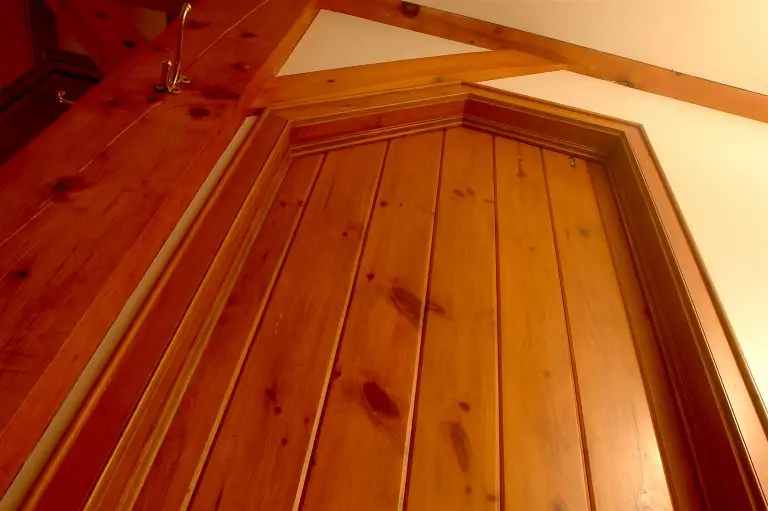
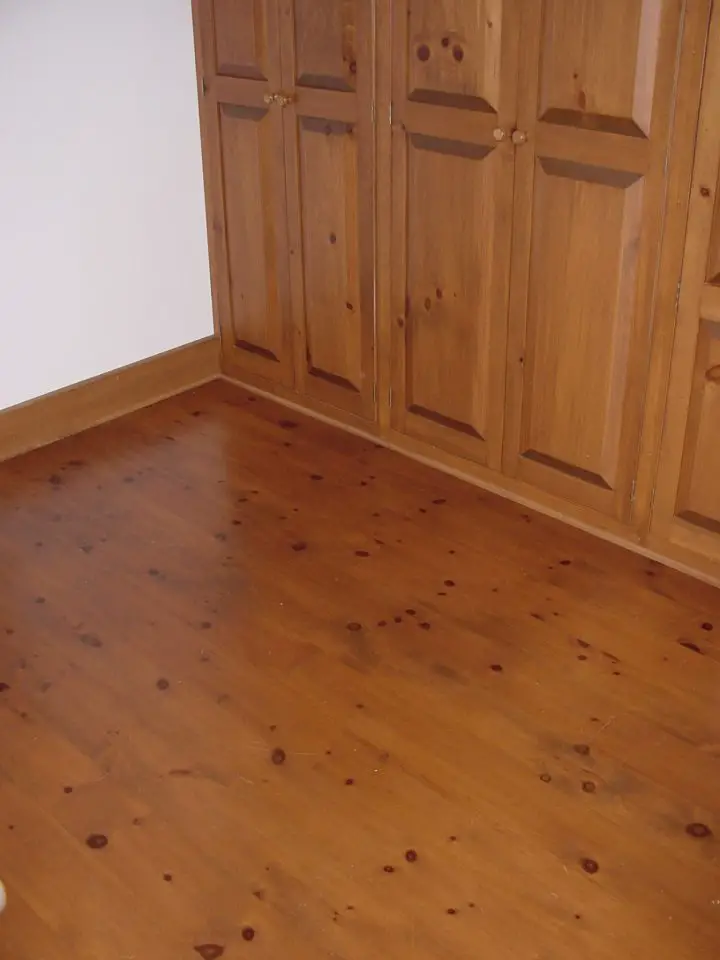
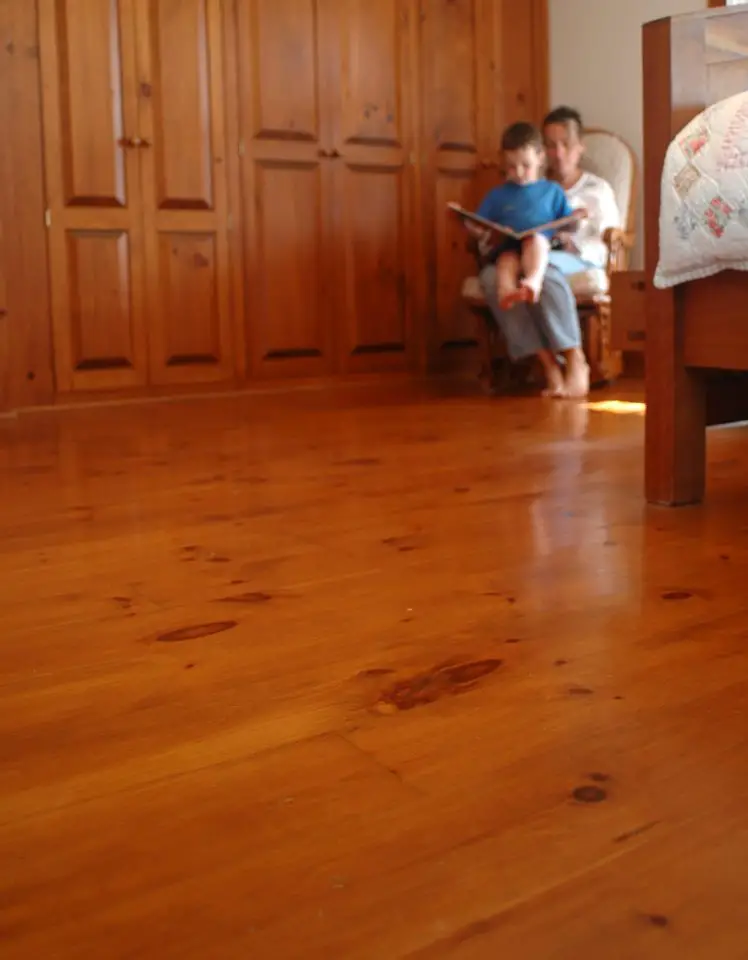
It’s amazing how often I hear professional builders recommend against something they’ve never tried before. I’ve installed tongue-and-groove pine flooring on several occasions in different situations, and it’s never misbehaved as you’ve been warned. I’ve also lived on a pine floor since 1990 and all is well. This flooring is beautiful. That’s it in the photos here.
As with any wood flooring, you need to do things right when it comes to installation. You’ll need to let the wood stabilize in your home for at least a few weeks before installation, ideally during a dry time of the year when you’re using heat. It may take even longer than a few weeks for stability to set in. Moisture meters are cheap these days, so get one and measure your wood. It needs to have a moisture content of 7% or lower before installation.
Another thing to consider is the softness of pine. It will dent and scratch more than hardwood, but these “flaws” can look quite good if they’re dealt with properly. If you’re staining your floor, keep some stain on hand in a jar to daub onto areas of damage every so often. In time your floor will look a hundred years old, in a good kind of way. Due to knots present in the wood, you’ll also need to expect a little cracking, though this won’t be out of character for knotty pine. This flooring option isn’t for everyone in every situation, but it certainly is a viable possibility. I’ve never met anyone who recommends against softwood finished floors who as ever actually lived with one.
Here’s the nitty-gritty on pine floors . . .
Why Pine Flooring Appeals to Many Homeowners
There’s something about pine that hardwood doesn’t quite replicate. It has warmth. Not just color, but visual warmth. The grain tends to be relaxed rather than dramatic, and the overall look feels settled and natural. Wide plank pine especially has a kind of old-house authenticity that’s hard to fake.
Pine also fits certain homes better than others. In a farmhouse, cottage, cabin or older rural house, pine flooring often feels appropriate in a way that harder, more uniform woods can’t quite manage. It doesn’t try too hard. It just belongs.
Another reason pine gets attention is cost. In many regions, especially where pine is locally available, it can be significantly less expensive than oak or maple. That makes it attractive for large areas, or for people who want real wood but don’t want to pay premium hardwood prices. But cost alone isn’t the whole story. Pine is easy to work with. It cuts easily, installs easily, and sands without drama. For someone doing their own flooring, that matters.
How Durable Is Pine Flooring?
The honest answer is this: pine is softer than hardwood. That’s not a defect. It’s just a fact.
On the Janka hardness scale, most pine species rank well below oak and maple. That means pine will dent more easily under concentrated pressure. High heels, table legs, dropped tools — these will leave marks sooner than they would on oak.
But durability isn’t just about hardness. Pine floors don’t shatter or fail. They mark. They gather evidence of life. In a busy household, you’ll see that life fairly quickly. The key question is whether that bothers you. If you expect a pristine, furniture-showroom surface that looks new for years, pine will frustrate you. If you’re comfortable with visible wear that slowly blends into a patina, pine can be very satisfying. It’s not fragile. It’s just honest.
The Pros of Pine Floors
Pine has several real advantages beyond cost. It’s repairable. Because it’s softer, dents can sometimes be lifted with steam. Scratches can be sanded. Individual boards can be replaced without too much trouble. It also ages attractively. Pine tends to darken and warm up over time. Sunlight deepens the tone. What may start as pale yellow can mature into a richer amber.
And then there’s the character factor. Knots, mineral streaks, and grain variation give pine personality. In a world where many surfaces are engineered to look uniform and predictable, pine offers something more natural. For many people, that matters more than hardness numbers.
The Cons of Pine Floors
The softness is the main drawback, and it’s not a small one for some people. Pine will dent. It will scratch. In entryways and kitchens especially, you’ll see wear sooner than you would with oak. Seasonal movement can also be more noticeable. Wide plank pine floors expand and contract with humidity changes. In winter, small gaps between boards may appear. In summer, they close up. That’s normal, but some people don’t like seeing it.
Maintenance is another consideration. Depending on the finish, pine may need touch-ups more often. Oil finishes require periodic refreshing. Film finishes can show scratches clearly. And pine is not the best choice for every environment. In high-traffic commercial spaces or households where floor abuse is constant and heavy, hardwood might be a better match.
How Pine Floors Age Over Time
This is where pine really earns its place. A new pine floor can look a bit raw at first. Bright, slightly soft in tone, almost too clean. But over the years, something changes. The color deepens. The small dents and marks blend together. The surface becomes less about perfection and more about history. Older pine floors in century homes are a good example. They aren’t flawless. They’re beautiful because they aren’t flawless.
If you’re the kind of person who appreciates wood that tells a story, pine does that well. If you’re someone who wants the floor to disappear into the background and stay uniform, pine may test your patience.
Pine vs Hardwood: What’s the Real Difference?
Hardwood is about resistance. Pine is about character. Oak, maple, and other hardwoods resist denting and wear. They maintain a cleaner look longer. They’re a better choice where durability is the top priority. Pine gives you warmth, ease of installation, and a more relaxed aesthetic. It trades hardness for personality. Neither is automatically better. It depends on what you value more: toughness or texture.
Where Pine Flooring Works Best
Pine works beautifully in bedrooms, living rooms, home offices, cottages, and houses with a traditional or rural feel. It’s particularly well suited to spaces where comfort and warmth matter more than spotless surfaces.
In kitchens and entryways, pine can still work, but expectations need to be realistic. You’ll see wear sooner. Mats, felt pads, and sensible habits make a difference. In rental properties or high-abuse environments, pine is usually not the best choice.
Can You Refinish Pine Floors?
Yes, and that’s one of pine’s strengths. Solid pine flooring can be sanded and refinished multiple times, depending on thickness. Because it’s soft, sanding goes quickly, but it also requires care to avoid uneven surfaces.
Pine takes stain differently than hardwood. It can blotch if not prepared properly. Using a conditioner or choosing penetrating finishes can help achieve more consistent results. In many cases, though, clear finishes that allow pine’s natural color to develop over time look best.
Is Pine Flooring Right for Your Home?
If you want a floor that stays pristine and hard, pine probably isn’t for you. If you want a floor that feels warm, ages naturally, and reflects the life lived on it, pine can be an excellent choice. It isn’t a compromise wood. It’s simply a different kind of wood, with different strengths. The decision comes down to expectations. Pine rewards people who understand what it is — and what it isn’t.
Frequently Asked Questions About Pine Flooring
Does pine flooring dent easily?
Yes. Pine is a softwood, so it dents more easily than oak or maple. Furniture legs, dropped objects, and heavy traffic will leave marks sooner. The tradeoff is character — over time, those dents blend into a natural patina rather than looking like damage.
Are pine floors high maintenance?
No, but they do require realistic expectations. Routine sweeping and occasional damp mopping are usually enough. Because pine is softer, high-traffic areas may show wear sooner and may need refinishing earlier than hardwood.
Is pine flooring cheaper than oak?
Often yes. Pine is generally less expensive than oak, especially in regions where it’s locally available. Installation costs are similar, but material pricing for pine is usually lower unless you’re choosing premium wide planks.
Can pine floors be used in kitchens?
Yes, but expect visible wear. Kitchens see heavy use, and pine will show dents and traffic patterns sooner than hardwood. In farmhouse or cottage settings, that lived-in look often adds to the appeal rather than detracting from it.
How long do pine floors last?
Pine floors can last for generations. Many older homes still have original pine floors in service. While the surface develops marks over time, solid boards can usually be sanded and refinished multiple times.





I hope you found this content useful!
Your generous support helps me produce more practical, hands-on content that I hope you’ll find useful.
Steve Maxwell