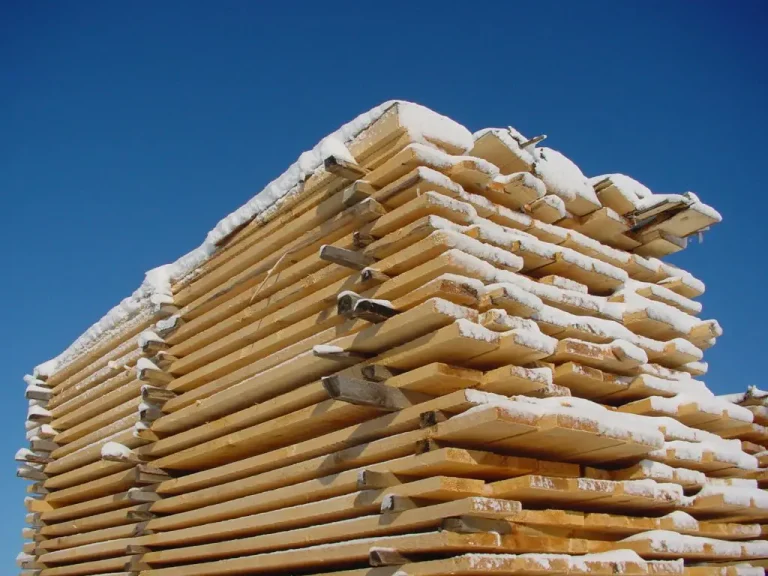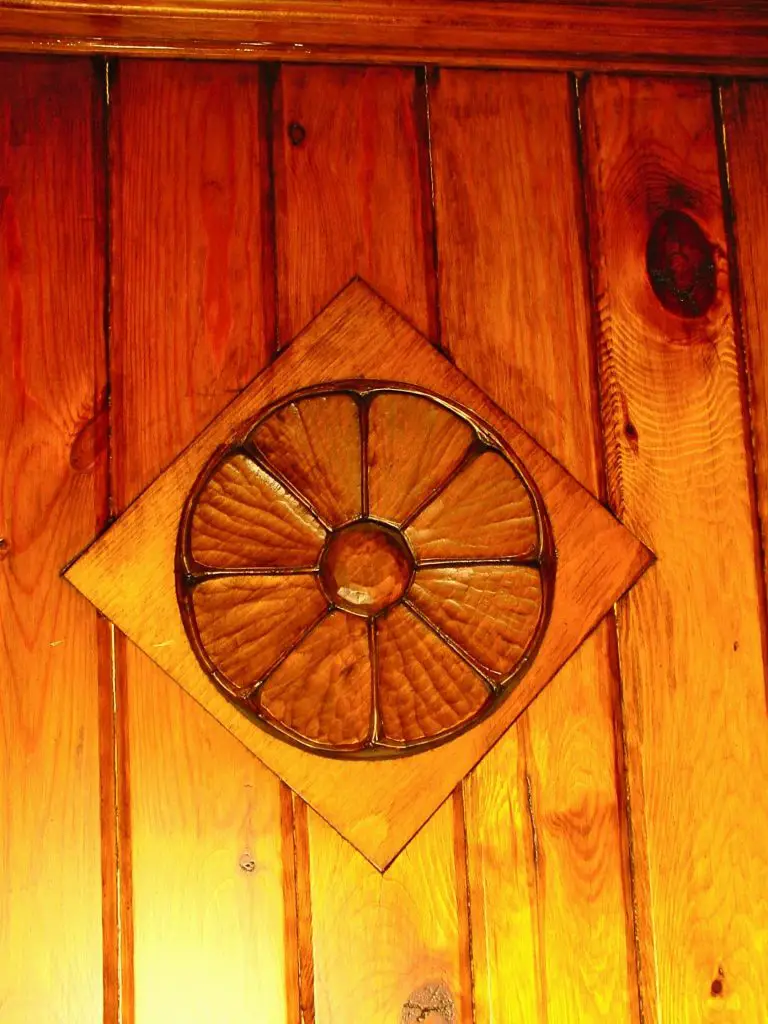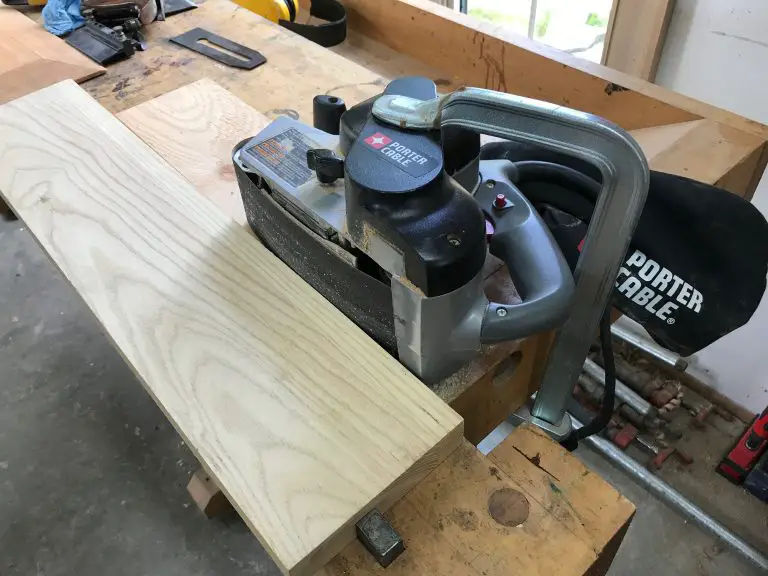
Woodworking is always something of a wrestling match with the material. No board is naturally flat and true without someone making it that way, and the process involves several steps. Click below for a five-minute lesson on how to use a jointer and thickness planer to make a board flat and true. It’s the essential foundation for great woodworking results.

Similar Posts
How to Use a Detail Sander for Wood Finishing In Tight Corners (and Cutting!)
Summer is the season you’re most likely to refinish outdoor trim, door frames, window sashes and finickity woodwork of all kinds, and detail sanders are tools I’ve come to rely on for this kind of work. Also called multitools these days because they can also cut and grind, detail sanders are not for stripping back large expanses of bare wood.
MITRE SAW OR TABLESAW Q&A: Which Should I Buy First?
Q: What tool should I buy first, a mitre saw or a table saw? I’ll be using the tool mainly for home repairs, with an occasional need to cut sheets of plywood. My budget is $600. A: If I could…
How to Make Small Logs Into Lumber Without a Sawmill
Question: Is it possible to make something from the oak tree I cut down at my place? I don’t have many tools, and I don’t have any way to bring the log to a sawmill, but I’d really like to…
CORDLESS MITRE SAWS: The Near-Perfect Tool for DIY Work
The country where I live, Canada, has some of the most do-it-yourself people in the world. I’m told that we build and fix more for ourselves than most other nations, especially when the work involves wood. I’m not sure why this…
Building a Fabric Structure: What I Learned (Before You Buy One)
Fabric structure buildings have become a popular option for barns, equipment storage, workshops and agricultural buildings. Compared with traditional framed buildings, they can go up faster, cost less per square foot and provide bright interior spaces filled with natural light….