If you spend your weekends building a cozy cabin, finishing a basement, or keeping backyard chickens, you already know that a hands-on approach to home maintenance means paying attention to the small stuff before it becomes a big problem. Tiny sugar ants marching across a kitchen counter might seem like a minor nuisance compared to a leaky roof or a stubborn septic system, but the myths surrounding these pests can waste just as much of your time and money as any other DIY misstep. Homeowners who take pride in doing things right the first time deserve accurate information, not recycled folklore passed down from a well-meaning neighbor.
The trouble is that most sugar ant advice circulating online and in casual conversation is based on outdated assumptions. People try one remedy, watch the ants disappear for a few days, and then wonder why the same trail reappears near the pantry a week later. That cycle of temporary fixes is exactly what keeps homeowners buying spray after spray without solving the underlying issue.
Before diving into the myths, it helps to know that reliable, research-backed guidance exists. For readers who want a deeper toolkit beyond what we cover here, the 10 solutions to get rid of sugar ants naturally guided from Native Pest Management breaks down natural remedies that actually address colony behavior instead of just killing the ants you can see. That distinction, treating the whole colony system rather than the visible scouts, is the thread running through every myth we’re about to bust.
Myth 1: ‘Sugar Ants’ Are One Specific Species, and What That Misconception Costs You
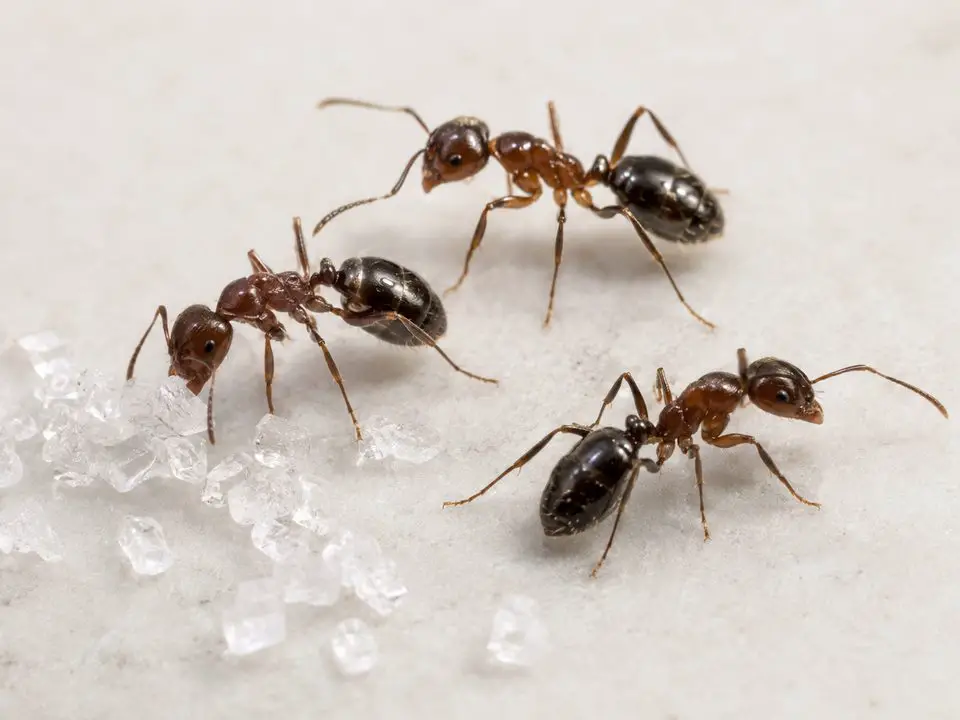
Many homeowners assume “sugar ant” refers to a single, easily identified bug, but it’s actually a catch-all nickname applied to several different species that share a sweet tooth. This confusion happens because most people identify ants by behavior rather than biology. If it’s small, brown or black, and heading straight for the sugar bowl, it gets labeled a sugar ant regardless of its actual species, and that shortcut leads to mismatched treatments.
The cost of this myth is real. Different species nest in different places, some prefer moist wood, others favor wall voids, and a few build satellite colonies far from the main nest. According to the study of treated ant infestations, 64% were a result of the odorous house ant, which is commonly called a sugar ant but is just one of several species homeowners misidentify under that umbrella term. Treating the wrong species means your bait or spray targets the wrong nesting habits entirely, and that mismatch is why so many DIY treatments fail within days.
Myth 2: Kill the Queen, Kill the Colony, Why This Strategy Fails and Wastes Your Effort
There’s a popular belief that if you can just find and eliminate the queen, the whole colony collapses overnight. It sounds logical, and it borrows from what many people learned about bee hives or wasp nests, where a single dominant queen truly does control the colony’s fate. Unfortunately, this doesn’t hold true for most household ant species, and chasing a queen is often a waste of time you could spend on more effective prevention.
Many sugar ant colonies operate with multiple queens, and a single colony can include thousands of worker ants capable of establishing multiple satellite nesting sites away from the main hub. Even if you manage to eliminate one queen, others keep the colony functioning, and workers from satellite nests continue foraging in your kitchen without interruption. This is why homeowners who spend hours trying to trace ant trails back to a single nest often give up frustrated, having never realized the network was never centralized to begin with.
Myth 3: Traps and Sprays Alone Will Solve Your Problem, The Real Reason Infestations Return
Store shelves are full of ant traps and sprays promising instant results, and it’s easy to assume that a strong enough product will finish the job permanently. Sprays do kill the ants they touch, and traps do attract foragers, but neither addresses the reproductive capacity of the colony itself. Killing visible ants without disrupting the nest is like mowing weeds without pulling the roots, satisfying in the short term but ultimately temporary.
Pest concern is widespread precisely because these quick fixes keep failing. Roughly 80% of homeowners across Millennials, Gen X, and Baby Boomers report concern about ants and wasps in or around their homes, which suggests the frustration isn’t limited to any one generation or type of household. The real solution involves identifying entry points, removing food sources, and applying treatments that reach deeper into the colony structure rather than just knocking down what’s visible on the countertop.
| Statistic | Figure |
| Treated ant infestations caused by odorous house ants | 64% |
| Average worker ants per colony | Thousands, with multiple satellite nests |
| Homeowners concerned about ants and wasps | 80% across generations |
| Typical DIY spray effectiveness without nest removal | Short-term only, colony often persists |
10 Natural Solutions That Actually Work, From Vinegar to Diatomaceous Earth
Once you understand why the myths fail, natural solutions make a lot more sense. Simple household items like white vinegar disrupt the scent trails ants use to communicate, which interrupts foraging without introducing harsh chemicals near food prep areas. Diatomaceous earth works differently, damaging the exoskeleton of ants that crawl through it, making it a smart option for cracks, baseboards, and other entry points you’ve identified around your home.
Other effective approaches include sealing entry points with caulk, keeping food in airtight containers, and using natural deterrents like cinnamon, citrus peels, or peppermint oil near windows and doors. Each method targets a different part of the problem, from disrupting communication to physically blocking access, and combining several of them tends to work far better than relying on any single trick. For homeowners who prefer a methodical, DIY-friendly approach similar to the way you’d troubleshoot any other home system, working through a full list of natural remedies rather than grabbing the nearest spray can is the difference between a short-term fix and a lasting solution.





I hope you found this content useful!
Your generous support helps me produce more practical, hands-on content that I hope you’ll find useful.
Steve Maxwell