- Video Watch Time = 6 minutes
Rooms built above unheated garages often suffer from cold floors during winter. Even when insulation is installed between the floor joists, the space below remains cold and continues to pull heat out of the floor structure.
In cold climates like Canada, homeowners frequently discover that insulation alone does not solve the problem. A combination of high-quality insulation and electric in-floor heating can make a dramatic difference in comfort.
Key Takeaways
- Bedrooms above unheated garages often develop cold floors in winter even when insulated.
- Spray foam insulation between floor joists performs better than fiberglass because it seals air leaks.
- Insulation alone rarely keeps floors comfortable in very cold climates.
- Electric in-floor heating provides direct warmth and is simple to install in smaller spaces.
- Systems like Schluter DITRA-HEAT combine reliable heating cables with a durable tile installation system.
Question: How should I deal with the floor of the apartment I’m building over the unheated three-bay garage at my daughter’s place? I’m getting conflicting advice from contractors. Some say in-floor heating is not needed if insulation is installed within the floor. Others say electricity is too expensive for heating, while others say we’ll need in-floor heating of some kind for sure to warm the floor. What do you suggest? I live in Canada, so cold weather is the issue.
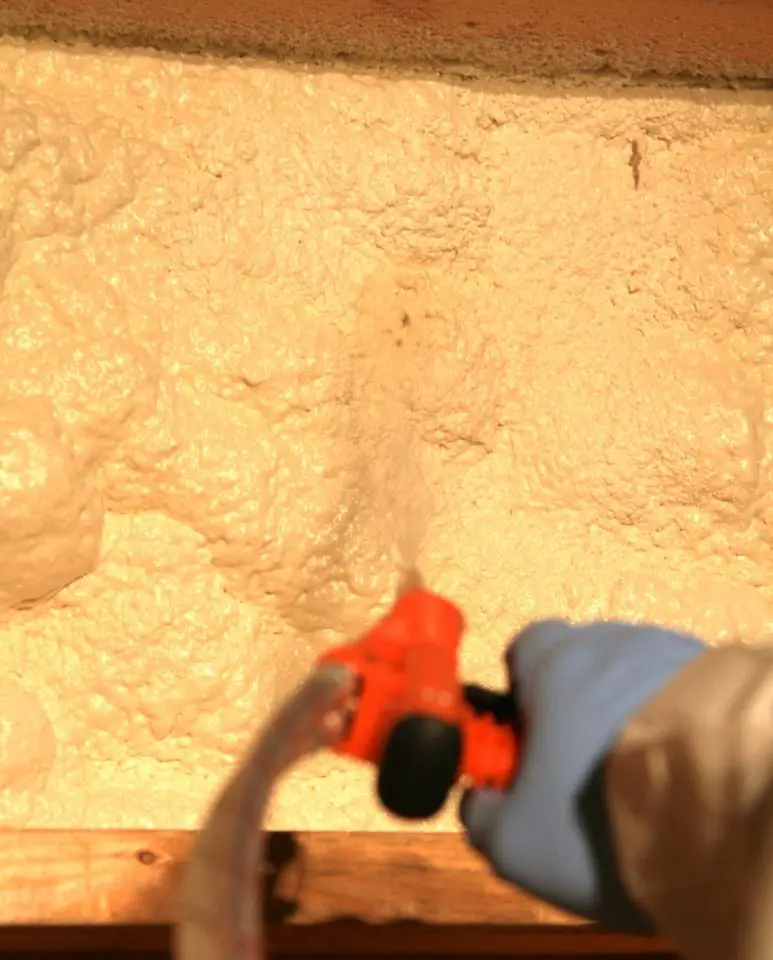
Answer: I’ve seen this situation often, and both insulation and electric in-floor heating are what you should install. Insulation alone definitely won’t be enough. My recommendation comes from the experience of many people I’ve worked with. Every winter I hear from homeowners with bedrooms over unheated garages and all these people all complain about very cold feet, even if the floor is insulated. You can keep the room as hot as you want, but feet will still remain freezing if the floor is cold because the space below (the garage) itself is unheated and cold. The best way you can seal out drafts and boost insulation is with spray foam applied between the joists, underneath the floor. That said, the new space will still have cold floors without some kind of in-floor heating.
What size of apartment are you looking at creating? It’s probably not too large if it’s over a garage, and that’s important. Electricity is expensive for heating, yes, but you need to balance that with the complexity of other systems you could use to heat the floor instead and the small space you’re dealing with. The in-floor heating should not be the only source of warmth in the space, just the option you turn on when the floor is super cold. One way or the other, you’ll want to heat the floor. Even with floor insulation, you’ll need floor heat to be comfortable during the coldest weather. Many difficult examples have proven this to me over the years. The beauty of electric in-floor heating is that it’s the easiest to install of all the infloor options. Schluter’s DITRA-HEAT system is the best I’ve seen by far and I keep my eyes open for these things. I’ve seen this in action for a number of years and it works very well.
Why Floors Above Garages Get So Cold
A garage is usually one of the coldest spaces in a house during winter. Because it is typically unheated and poorly insulated, the air temperature inside the garage can drop close to outdoor conditions.
When a living space is built above that garage, the floor assembly becomes the barrier between warm indoor air and very cold air below. Even when traditional insulation is installed between the floor joists, cold air movement and heat loss can still make the floor surface uncomfortable.
This is why homeowners often complain that their feet remain cold even when the room temperature is warm.
Why Spray Foam Works Better Than Traditional Insulation
Traditional insulation materials such as fiberglass batts rely mainly on trapped air pockets to slow heat movement. Unfortunately, air movement through small gaps around framing members can reduce their effectiveness.
Spray foam insulation performs much better in this situation because it:
- seals gaps and cracks
- prevents air circulation within the insulation cavity
- provides both insulation and air sealing in one step
For floors above unheated garages, spray foam applied between joists underneath the floor structure creates a much more effective thermal barrier.
Why Insulation Alone Often Isn’t Enough
Even when the floor cavity is well insulated, the floor surface can still feel cold.
This happens because:
- the garage air below remains very cold
- heat is constantly drawn downward
- the floor surface temperature drops
As a result, the room itself may feel warm, but the floor remains uncomfortable to walk on.
This is why many homeowners eventually install in-floor heating systems to improve comfort.
Electric In-Floor Heating for Bedrooms Over Garages
Electric in-floor heating works particularly well for smaller spaces such as bedrooms or apartments built above garages.
Instead of heating the entire room from the ceiling or walls, radiant floor systems warm the floor surface directly. This allows heat to rise naturally into the living space and keeps feet warm even during very cold weather.
Electric systems are also easier to install than hydronic systems and can be used as a comfort heating supplement, rather than the primary heat source.
Click below for a video tour I made of this system back in 2015.
Frequently Asked Questions
How do you insulate a floor above an unheated garage?
The best approach is to install high-performance insulation between the floor joists, ideally using spray foam. Spray foam seals air leaks and prevents cold air movement that can reduce the effectiveness of traditional insulation.
Is insulation alone enough for a room above a garage?
In many cold climates, insulation alone does not fully solve the problem. Even well-insulated floors can still feel cold because the unheated garage below pulls heat away from the floor structure.
What is the best heating option for floors above garages?
Electric in-floor heating systems are often the easiest and most practical solution. They provide direct warmth at the floor surface and are ideal for smaller spaces like bedrooms or apartments.
Does spray foam insulation work better than fiberglass?
Yes. Spray foam not only provides insulation but also seals air leaks. This prevents drafts and air circulation within the floor cavity, which improves overall thermal performance.
Want more practical home improvement ideas like this?
Join the Bailey Line Road newsletter for weekly DIY tips, building advice and real-world solutions for homeowners.





I hope you found this content useful!
Your generous support helps me produce more practical, hands-on content that I hope you’ll find useful.
Steve Maxwell