The average homeowner isn’t necessarily an expert in everything related to home construction and repair. Unfortunately, this can lead to unscrupulous contractors taking advantage of their naivete and costing them thousands of dollars in repairs. Today, we’ll examine some of the warning signs that you may be getting less-than-stellar siding services.
Low Estimates for the Area
The process begins before you even invite the contractors onto the property. You should get multiple estimates before choosing an installer, as this can give you a ballpark idea of how much siding installation should cost for your given area and material. Vinyl siding is generally the cheapest option, while high-quality materials like James Hardie fiber cement siding will cost significantly more.
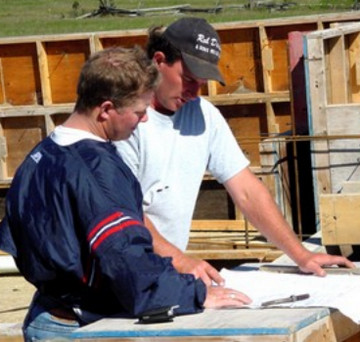
A good contractor will walk you through all the options, explain which one would be the best choice for you, and offer a full estimate of each material. If their estimate is significantly different from what their competitors are offering, this is a warning sign that they may not provide quality work.
Low-Quality Materials
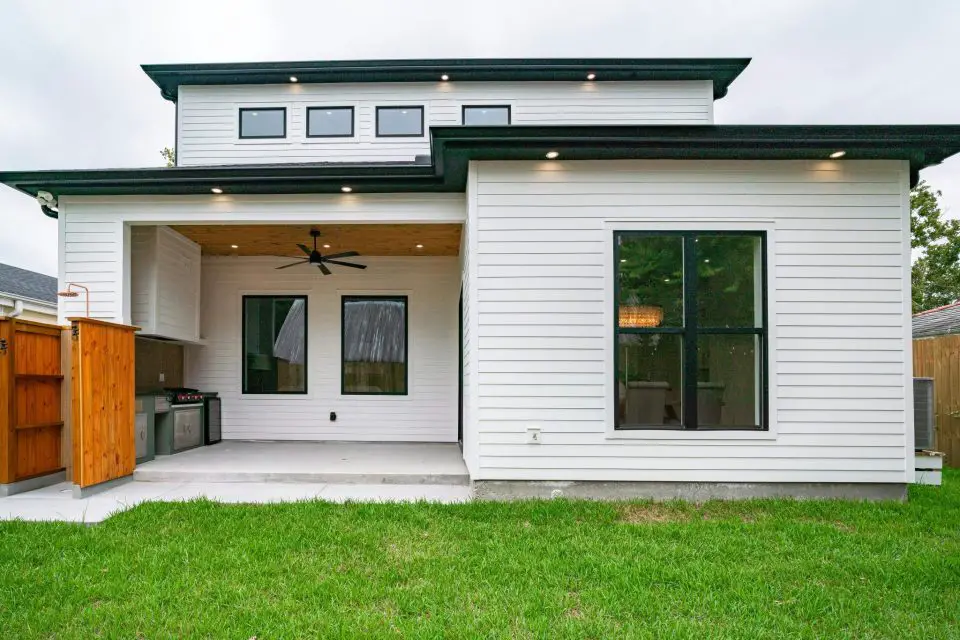
Siding has a huge impact on a home’s appearance and longevity, so you need to ensure that your installers use the highest-quality materials. Review the different options available and ensure that your installer is trained to work with each specific material. Each siding material has a unique installation process.
Just as different marketplaces have different costs, each climate has preferred siding materials. For example, James Hardie fiber cement siding is a great choice for Kansas City siding because this area is very prone to severe wind and hailstorms that may dent or warp vinyl siding. In dry climates like the American Southwest, stucco could be a good choice for siding because there’s less concern about water damage.
Work Moving Too Quickly
Siding takes a while to install correctly, depending on the size of your home and how many people are available to help. If the company promises that they can get it done in just four days, then they are rushing the job and may be more likely to make mistakes. This also puts the workers at risk of serious workplace injuries or even death.
If possible, you should stop to monitor the work progress. Fast work may make the company more money, but a rush job is also less likely to be safe and secure. If you notice a very hectic pace around the work site, this may be a warning sign that the company is not providing quality assurance while installing the product.
Gaps, Warping, or Cracks
Your siding is your home’s first defense against water damage, which can destroy its interior and even cause foundation issues. Waterproofing involves both the manufacturing and installation process. First, the panels must be treated correctly so that water won’t penetrate between the layers, and the siding must be properly overlapped and nailed in to create a waterproof seal for the insulation.
If you can see gaps between panels, this means that the siding has not been installed correctly. Improper installation can also cause the panels to crack, such as if they are affixed too tightly to the boards below.
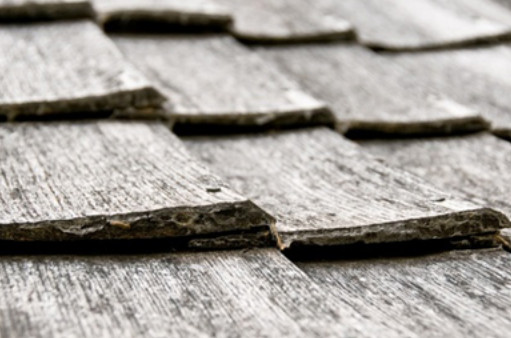
Warping may occur due to manufacturing defects that were not caught before the siding was installed. Sometimes, installers place defective products because they don’t want to waste the material and believe the homeowners won’t notice, but this can mean that your home will suffer water damage down the line.
Lack of Warranty or Poor Follow-Up
Good contractors expect their products to last a long time, so they will provide a warranty that covers any unexpected damages that may occur within the first few years of installation. If a company is shady about their warranty or insists you don’t need one, this is a major red flag: they don’t expect the siding to last much longer than when they leave the site.
Additionally, a siding installer who really cares about their customers will provide siding maintenance tips and be open to answering any questions you may have after the installation. If they leave without so much as a word or are evasive when you try to ask them questions, this may mean that they are not as knowledgeable as they appear and know they provide an inferior product.
What to Do If You Had a Poor Siding Job
You should first ask the siding company if they will repair the job, especially if it is under warranty. However, if this doesn’t work, you should contact the Attorney General and Better Business Bureau in your state for help. They may be able to secure you a refund or mediate between you and the company.
Don’t just leave the siding alone and hope for the best. If the company is not willing to help, find a high-quality siding installer in your area who will remedy the issue for you. The faster you can identify the problem and get a fix, the less likely your home will suffer water damage that can cost thousands of dollars to fix.





I hope you found this content useful!
Your generous support helps me produce more practical, hands-on content that I hope you’ll find useful.
Steve Maxwell