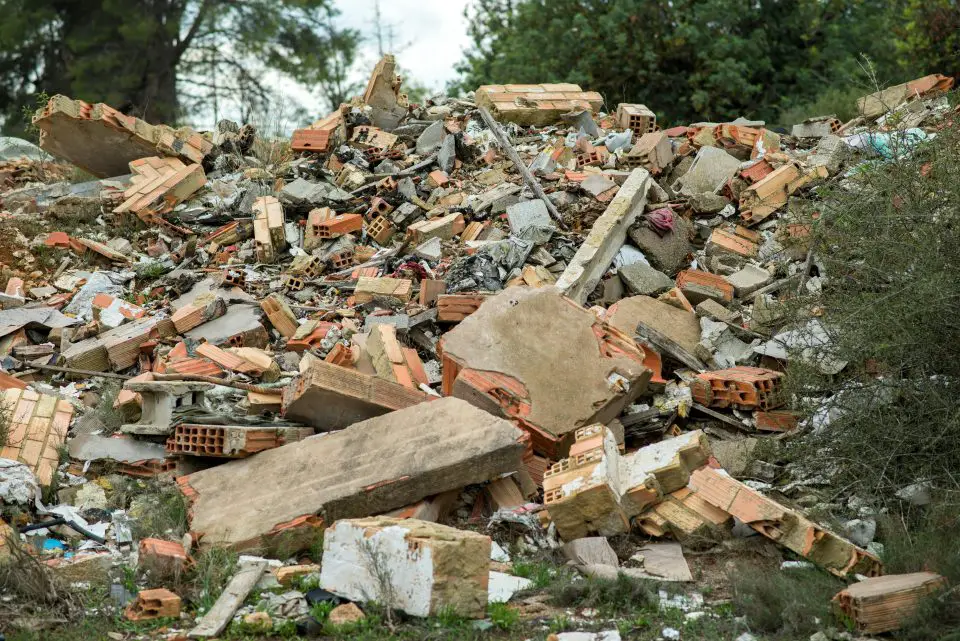
Once you finish with a project (DIY or otherwise), or you’re finally finished with renovations, you’re probably left with a lot of leftover material. Some of it is straight up waste, while other things, such as broken/extra tiles, unused or leftover wood, chunks of concrete, metal pipes, etc. Instead of tossing it, you could actually transform these into your next great project.
By upcycling construction waste material, you’re not only being friendly towards the environment and saving money, but you’re also presenting yourself with the opportunity to be creative and build something totally unique with your own hands.
Even though you might be excited and ready to grab that hammer and get going, firstly, you’ll need a plan. First, we need to see what we have available for use. And to do that, we’ll need to sort, store, and (safely) handle all the leftover material.
A few smart tools will make this job a whole lot easier from the start, so let me walk you through it.
How to Sort Construction Waste for DIY Use
Before you can let your creative juices flow, you need to sort through the materials you’ve got. This isn’t exciting, I know, but it’s important.
Sorting will help you work safely, it will be easier to stay organized, and you won’t waste your time on pieces you can’t use. Another perk of sorting is that your DIY process will be much smoother.
For instance, clean, untreated wood, full bricks, tiles that have no cracks, straight nails, unbent metal sheets, and things like that are all great to keep. But anything that’s moldy, treated with chemicals, or possibly contains asbestos should be tossed because it’s not safe to use.
You should also set up a sorting station, either at the worksite or at home. Grab a few bins or containers and label them. Make one for wood, one for metal, one for stone or brick, etc. Use a wheelbarrow or a sturdy cart to move things around. And don’t forget a mask and gloves if there’s dust and debris.
If you’re dealing with a bigger pile of mixed metals, self dumping hoppers can save you a lot of hassle. They let you collect and sort big loads without lifting everything by hand. Just roll or lift one into place, load it up, and tilt when it’s time to empty. Easy-peasy.
What to Build from Construction Waste
Once the sorting is done, it’s time to have some fun. There’s a lot to do with leftover construction debris if you’re just willing to get a bit creative and think outside the box.
Here’s a few ideas to get you started.
1. Garden Features from Stone or Brick
If you have leftover bricks and stone, you can use them to build garden paths, low borders for planting beds, or even a backyard fire pit. These materials are already built to withstand elements, so if you want long-lasting additions to your landscape, they’re perfect.
Make sure to clean them first. Scrape off the mortar or dirt, and then rinse them. If there are broken pieces, you’ll need to wear gloves and use them where shape doesn’t matter (like a mosaic-style path).
2. Furniture from Reclaimed Wood
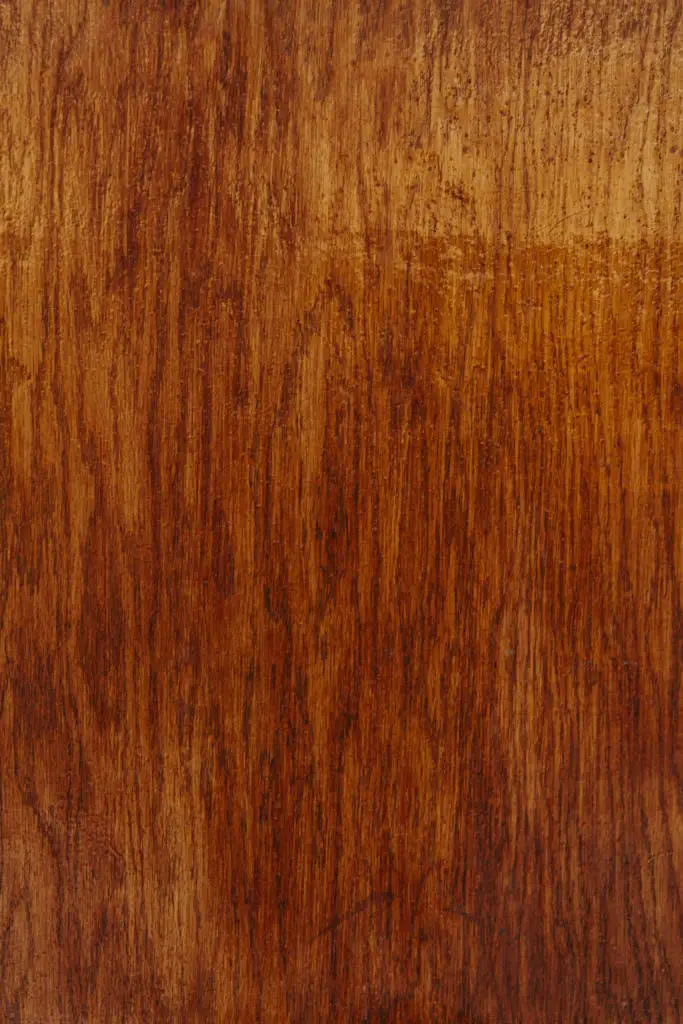
Old floor joists and framing lumber are perfect for rustic coffee tables, sturdy benches, and floating shelves. These pieces of wood are usually thick, strong, and full of character. Just remember to prep the wood before you start building.
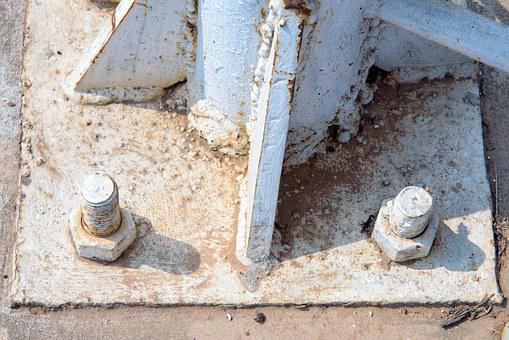
Sand each piece really well to remove rough edges and splinters. Check if there are leftover nails, staples, screws or anything else that was left behind that could either damage your tools or injure you. Metal stuff can be particularly nasty, especially if there’s rust on it, because it collects bacteria that can cause tetanus.
3. Lighting Fixtures from Pipes and Wood
Old copper pipes and thick wood cutoffs can become unique lighting fixtures. For example, you could make a simple pendant lamp by threading a light cord through the bent copper pipe and then attaching a bulb socket at the end. Or, you could stack wood pieces and build a lamp base, drill a channel for wiring, and top it with a shade.
4. Wall Décor from Metal Scraps and Tiles
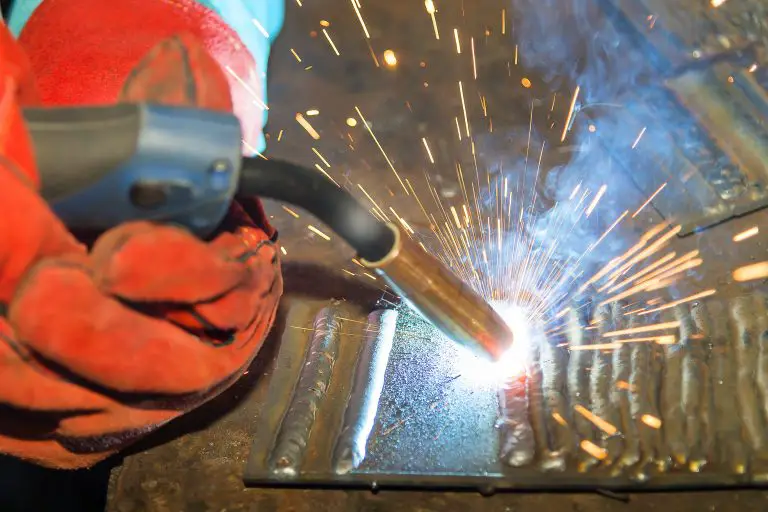
Leftover metal sheets and tiles don’t need to be thrown out, you can use them for wall art. You can cut and shape the metal into geometric designs. Tile fragments can be arranged into colorful mosaics.
Of course, you have to smooth out sharp edges with a file and then clean rust and grime. Tiles need to be cleaned, too, but they just need a good soak and a bit of scrubbing. Once you’re done with prep work, glue or mount your materials onto plywood backers and then hang the finished piece like a painting.
Finishing Up
Construction waste looks like a mess at first glance, but it has potential. And let’s be honest, it feels pretty great to say you made something cool out of nothing. Just remember that the magic starts with sorting – don’t just go into a pile of waste and start fishing out random stuff. After all, some of it is just… waste.
I hope that you don’t toss the scraps the next time you’re done with a project because that junk might just be your future masterpiece.




I hope you found this content useful!
Your generous support helps me produce more practical, hands-on content that I hope you’ll find useful.
Steve Maxwell