- Video Watch Time =15 1/2 minutes
In most homes connected to a municipal sewer system, a backwater valve is a smart upgrade because it allows sewage to flow out but not back in. If your area is vulnerable to sewer overload during heavy rain, it can prevent a catastrophic basement sewage backup. Here’s how they work and how they get installed.
Key Takeaways
- A backwater valve helps stop sewage from flowing backward into your basement during a municipal sewer backup.
- It’s especially worthwhile for homes connected to municipal sewer systems and at risk during heavy rain or sewer overload.
- Installation usually means opening the basement floor to access the main drain line.
- Even if insurance covers sewage backup, preventing the mess and damage is far better.
- For many homeowners, a backwater valve is a smart one-time upgrade for serious basement protection.
What a Backwater Valve Does
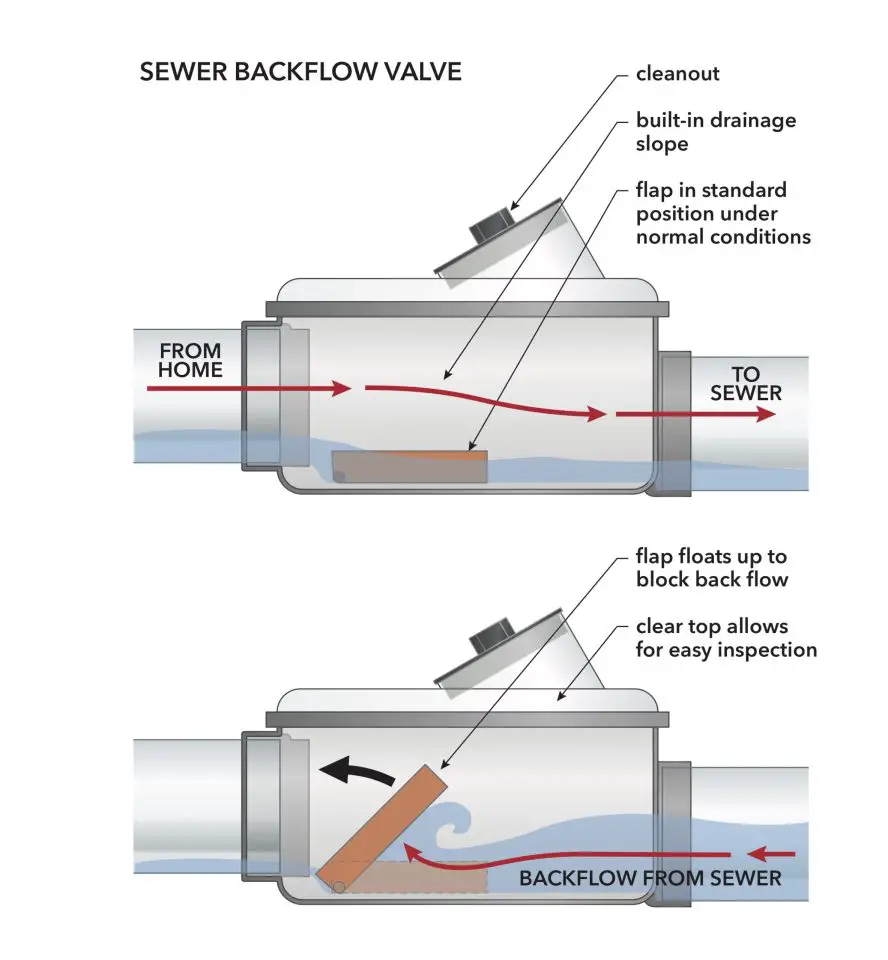
A backwater valve is a one-way device installed in your home’s main drain line. Under normal conditions, wastewater leaves the house and flows out to the municipal sewer as usual. If the municipal system becomes overloaded during heavy rain or another failure, the valve closes and helps prevent sewage from flowing backward into your basement.
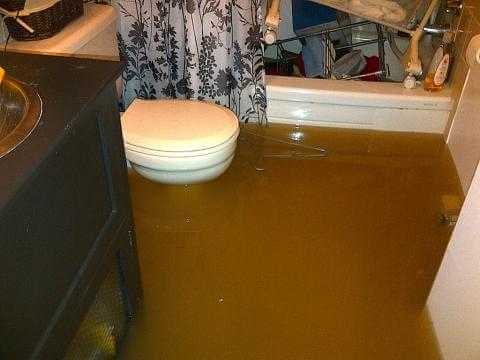
That matters because basement sewage backup is one of the most destructive and unpleasant kinds of home damage. Cleanup is costly, possessions can be ruined, and the health risk is serious. Preventing that kind of disaster is usually far better than relying on insurance afterward.
When a Backwater Valve Makes Sense
A backwater valve makes the most sense for homes connected to a municipal sewer system, especially in areas where sewer overload can happen during storms. It can also be a wise upgrade if your basement has a floor drain and you want an added layer of protection against sewage entering at the lowest level of the house.
Not every property has the same risk. Local sewer design, lot elevation, and neighbourhood conditions all play a role. Even so, many homeowners find that a backwater valve is worthwhile because the consequences of a single sewage backup can be severe.
Is Installing a Backwater Valve Worth It?
Installing a backwater valve usually involves breaking open a section of the basement floor to access the main drain pipe, cutting into that pipe to install the valve, then restoring the concrete afterward. That is disruptive, but in many homes it is a one-time upgrade that can prevent a major sewage disaster later.
For most people, the real question is not whether installation is convenient. It is whether the inconvenience and cost is worth avoiding the possibility of raw sewage backing up into the basement. In many cases, the answer is yes.
What Does a Backwater Valve Cost?
A backwater valve itself can be fairly inexpensive, but professional installation is where most of the cost lies. In Canada, a typical professionally installed backwater valve often costs about $1,500 to $4,500, depending on access to the main drain line, concrete cutting and patching, permit requirements, and local labour rates. In many homes, installation means breaking open part of the basement floor to expose the sewer line, then restoring the floor afterward. That may seem costly, but it can be worthwhile protection given that the average cost to repair a flooded basement can exceed $40,000.
Frequently Asked Questions
What does a backwater valve do?
A backwater valve allows sewage to leave your home but helps prevent it from flowing back in during a municipal sewer backup.
Does every basement need a backwater valve?
Not every basement has the same risk, but homes connected to a municipal sewer system may benefit from one, especially where heavy rain can overload the system.
Where is a backwater valve installed?
It is typically installed in the main outgoing drain line under the basement floor so that all sewage leaving the house passes through it.
Can a backwater valve stop sewage from coming up through a basement floor drain?
Yes, that is one of its main purposes. It helps block reverse sewage flow that might otherwise spill out at the basement floor drain.
Is a backwater valve worth installing?
In many homes, yes. Installation is disruptive, but it can prevent severe sewage damage, cleanup costs, and insurance claims.
Does insurance make a backwater valve unnecessary?
Not really. Insurance may help with costs after a sewage backup, but prevention is usually far better than dealing with the damage afterward.
Planning to finish your basement? A backwater valve is cheap insurance and only one of the things that go into an optimal finished basement. Click below for a video tutorial on basement drains in general, including backwater valves. It’s part of my homeowner course on finishing basements the right way.


See what they’re saying about this course:
“One of the best things I did is sign up for Mr. Maxwell’s basement renovation & finishing course. Facing a fairly complicated affair with my laundry room, I wanted to pick up some pointers about how to plan and execute the feat of doing the job myself and, even if I hired a professional to do it for me, how to deal with a contractor. Not only is the course. Not only is the course itself a super learning experience, but Steve is available to answer questions.”
– KC – Kanata, Ontario




I hope you found this content useful!
Your generous support helps me produce more practical, hands-on content that I hope you’ll find useful.
Steve Maxwell