Every home has dark spots. Sometimes it’s a hallway, sometimes it’s a bathroom, sometimes it’s the space over a kitchen sink where daylight never quite reaches. A tubular skylight is one of the simplest ways to bring natural outdoor light into these awkward areas without cutting a large roof opening or installing a traditional skylight.
I installed a tubular Solatube skylight in my own home in 2001, and it’s been working quietly and perfectly ever since. The unit brings sunlight from a clear roof dome, down through a reflective metal tube that pass through an upstairs storage area, and out through a round ceiling lens over our kitchen sink. More than 20 years later, I’m still glad I installed it.
If you want even more light than a tubular skylight can deliver, (and plenty of fresh air) you might consider an openable skylight as an alternative. The best have a solar panel that recharges and internal battery for opening and closing the window automatically. You’ll find a video below showing a solar skylight installation I did back in 2003. Everything works the same way nowadays.There’s a five mine video further down showcasing my installation of a solar roof window, which is another option.

Key Takeaways
- Tubular skylights use a clear roof dome and a reflective tube to bring natural light into interior spaces.
- A well-installed tubular skylight can brighten areas where conventional windows or skylights aren’t practical.
- After more than 20 years of use, my own Solatube unit has not leaked or caused condensation trouble.
- Tubular skylights work especially well in kitchens, hallways, bathrooms, closets and other dark areas.
- For more light and ventilation, an openable skylight may be a better choice.
What Is a Tubular Skylight?

A tubular skylight, sometimes called a sun tunnel or tubular daylighting system, is a small roof-mounted daylight device that pipes sunlight into the home. Instead of using a large glass skylight, it uses a clear dome on the roof, a highly reflective tube, and a diffuser lens in the ceiling.
The idea is simple. Sunlight enters through the roof dome, bounces down the shiny inside surface of the tube, then spreads into the room below through a ceiling diffuser. The result is natural light in places that might otherwise need electric lighting during the day. It’s like fiber optic cable for sunlight. Tubular skylights are especially useful where a regular window won’t work, or where a full-size skylight would be too large, expensive or complicated.
Where Tubular Skylights Work Best
Tubular skylights are ideal for small or medium-sized areas that need daylight but don’t need a view of the sky. Good locations include kitchens, hallways, bathrooms, laundry rooms, closets, stairwells and interior rooms.
They’re especially useful where the roof is directly above the room, or where a reflective tube can be routed through attic or storage space without too many bends. The straighter and shorter the tube, the more light usually reaches the room below, though angles are certainly possible.
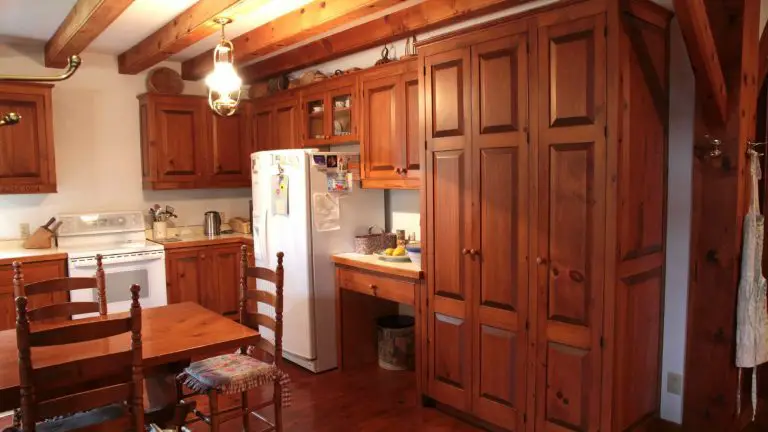
In my own case, the tubular skylight brightens the area over our kitchen sink, and that small improvement makes daily work more pleasant. It’s not a dramatic renovation, but it changes the feel of the space in a useful way.
Do Tubular Skylights Cause Condensation?
Condensation is one of the questions people often ask about tubular skylights, especially in cold climates. In theory, any roof penetration or tube passing through unheated space needs to be handled properly to avoid condensation trouble.
In my own installation, I’ve had no condensation problems after more than two decades of use. The key is a good-quality unit, careful installation, proper flashing, and attention to air sealing where the tube passes through the ceiling and roof.
If warm indoor air can leak into cold attic space around the tube, condensation is more likely. The same is true if the unit is poorly sealed, poorly flashed, or installed in a way that allows cold surfaces to contact warm, moist indoor air.
Do Tubular Skylights Reduce Roof Insulation?
A tubular skylight does create a roof penetration and a path through insulated space, so it’s fair to ask whether it reduces insulation performance. The answer depends on the installation.
A well-installed tubular skylight should be sealed carefully at the ceiling level and roof level. Any gaps around the tube should be insulated and air-sealed just as they would be around a plumbing vent, chimney chase or attic hatch. The goal is to keep indoor air out of the attic and prevent heat loss around the tube.
Compared with a full-size skylight, a tubular skylight usually requires a much smaller opening. That’s one reason it can be a good choice when you want daylight without creating a large interruption in the roof structure or insulation layer.
Tubular Skylight vs. Traditional Skylight
A tubular skylight and a traditional skylight solve different problems.
A tubular skylight is best when you want daylight, but don’t need ventilation or a view. It’s compact, relatively simple and well suited to small spaces. A traditional skylight is better when you want more dramatic light, a view of the sky, or the ability to open the window for fresh air.
For rooms where you want both daylight and ventilation, an openable skylight may be the better choice. Some modern units even include small solar panels that power automatic opening and closing mechanisms.
Installation Tips for Tubular Skylights
A tubular skylight is not especially complicated in concept, but installation quality matters. The roof dome must be flashed properly to prevent leaks. The ceiling diffuser needs to be placed where the light will be useful. The tube should be routed as directly as possible, and all ceiling penetrations should be sealed carefully.
Before installing one, think about where you want the light to land. A tubular skylight over a kitchen sink, hallway, shower area, workbench or stair landing can be much more valuable than one placed randomly in the middle of a room.
Also check the roof location from outside. Avoid valleys, awkward roof intersections, heavy snow-drift areas and places where branches or shade will limit the light. Click here to learn more about the installation process I followed.
Frequently Asked Questions
Are tubular skylights worth it?
Yes, they can be very worthwhile in dark areas where natural light is needed but a window or full-size skylight isn’t practical. They’re especially useful in kitchens, hallways, bathrooms, closets and interior rooms.
Do tubular skylights leak?
A properly installed tubular skylight should not leak. As with any roof penetration, the quality of the flashing and installation matters. A poor installation can leak, but the concept itself is sound.
Do tubular skylights work in winter?
Yes, tubular skylights can work in winter, though light output depends on sun angle, roof snow cover, clouds and the length of the reflective tube. In cold climates, proper air sealing and insulation around the tube are important.
Can a tubular skylight cause condensation?
Condensation can happen if warm, moist indoor air leaks into cold spaces around the skylight tube, but a properly sealed and installed unit should not normally cause trouble. My own installation has not had condensation issues after more than 20 years.
What rooms are best for tubular skylights?
The best rooms are spaces that need daylight but don’t need a view or ventilation. Common examples include kitchens, hallways, bathrooms, closets, laundry rooms, stairwells and interior rooms.
Is a tubular skylight better than a regular skylight?
It depends on the goal. A tubular skylight is usually better for small spaces and simple daylighting. A regular skylight is better if you want a larger view, more dramatic light, or ventilation.
Do tubular skylights need electricity?
No, the daylighting function does not require electricity. Some units can include an electric light kit inside the tube so the same ceiling diffuser can provide artificial light at night.





I hope you found this content useful!
Your generous support helps me produce more practical, hands-on content that I hope you’ll find useful.
Steve Maxwell