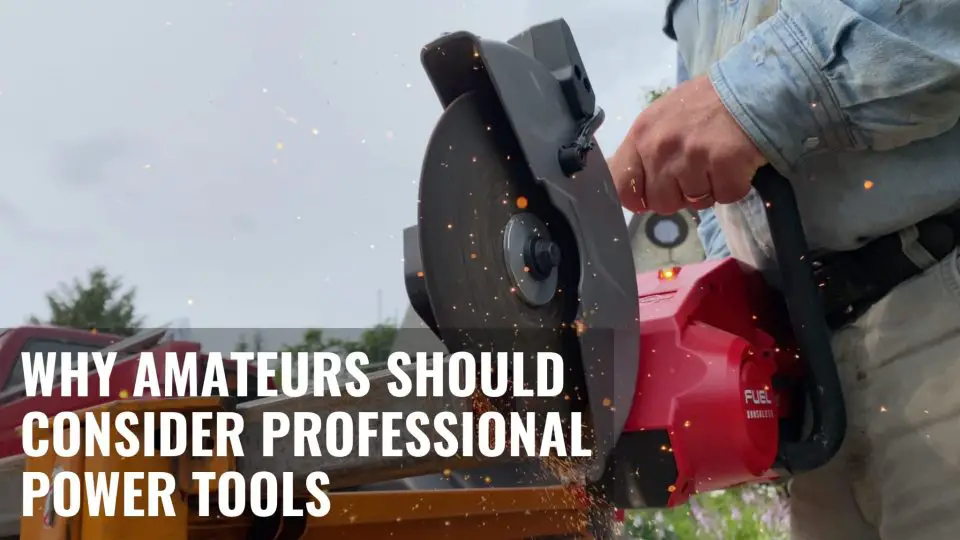
Buying power tools is one of those decisions where the cheapest choice can become expensive later. If you’re serious about improving your home, fixing vehicles, building things, or developing real workshop skills, bargain tools often become a bottleneck sooner than expected.
Key Takeaways
- Serious amateurs often outgrow cheap power tools faster than they expect.
- Pro-grade tools usually cut, drill, fasten and perform better under real working conditions.
- A higher purchase price can make financial sense if the tool lasts for decades.
- Buying for future needs is often wiser than buying only for today’s simplest jobs.
- The best tool choice depends on how serious you are about developing hands-on skills.
This is especially true for serious amateurs. You may not earn your living with tools, but that doesn’t mean you should automatically buy the lightest-duty models on the shelf. If your skills, ambitions and projects are likely to grow, then your tools need to be ready for that growth.
Pro-grade power tools are tools built for regular, demanding use. They’re designed for people who need reliable performance, longer service life, better ergonomics and stronger results under pressure.
This doesn’t mean every serious homeowner needs the biggest, most expensive tool in the store. It does mean that there’s a real difference between a tool designed for occasional light-duty use and one designed to handle difficult work repeatedly.
A professional-grade circular saw, drill, impact driver, jigsaw, reciprocating saw, grinder or sander often feels different the first time you use it. The motor has more reserve power. The controls are better. The bearings, switches, gears and housings are usually built to higher standards. The tool feels like it’s helping instead of struggling.
Why Cheap Tools Often Cost More
Cheap tools can seem sensible when you’re starting out. You’re not sure how often you’ll use the tool, and you may not feel qualified to buy something better. The problem is that your expectations can change quickly.
A light-duty tool may handle the first few simple jobs, but then disappoint you when the work becomes more demanding. Cuts wander. Motors bog down. Batteries run out too quickly. Switches fail. Blades don’t track properly. Plastic parts crack. Before long, the tool you bought to save money has become frustrating, inaccurate or useless.
That’s when the real cost shows up. You haven’t just lost the purchase price. You’ve also lost time, confidence, accuracy and momentum. A poor tool can make good work harder than it needs to be.
Buy for the Skills You’re Growing Into
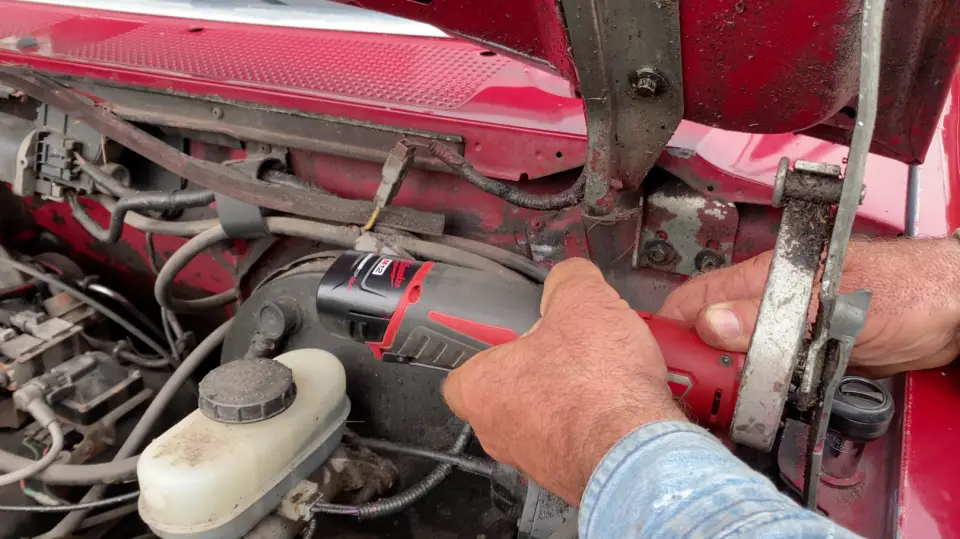
One of the best ways to buy tools is to think beyond your current skill level. Don’t ask only, “What do I need for the small job in front of me?” Also ask, “What kind of work do I hope to be doing two, five or ten years from now?”
If you’re only hanging the occasional picture or assembling flat-pack furniture, light-duty tools may be enough. But if you want to build decks, renovate rooms, repair equipment, work on vehicles, make furniture or develop a serious home workshop, better tools make sense much sooner.
This is not about ego. It’s about matching the tool to the future you’re trying to grow into.
Pro-Grade Doesn’t Always Mean Overkill
Some people avoid professional tools because they assume they’re too much for a non-professional. That can be true in some cases, but often it’s not. Many pro-grade tools are simply better-designed versions of the same tools homeowners already use.
A good cordless drill is easier to control than a weak one. A quality circular saw cuts straighter and safer than a flimsy one. A better jigsaw can make cleaner curves. A professional impact driver can drive fasteners with less strain. A well-built reciprocating saw can handle demolition without burning itself out.
The goal is not to own tools for show. The goal is to own tools that make good work more likely.
Which Tools Are Most Worth Buying Pro-Grade?
Some tools justify a pro-grade purchase more than others. These are the tools that work hard, face heavy loads, or affect the quality and safety of the finished job.
Good candidates include:
- cordless drills and impact drivers
- circular saws
- jigsaws
- reciprocating saws
- random orbit sanders
- angle grinders
- cordless ratchets and impact wrenches
- table saws and miter saws
- routers
- nailers and compressors
- shop vacuums and dust extractors
For measuring, cutting, drilling, fastening and sanding, better tools often produce better results. They also tend to make the learning process less frustrating.
When Economy Tools Still Make Sense
There are times when inexpensive tools are reasonable. If you need a specialty tool for one small job, and you’re unlikely to use it again, an economy model may be enough. The same can be true for tools that face very light use or occasional non-critical tasks.
The danger is buying economy tools for core workshop tasks. If a tool is central to the kind of work you want to do, buy better. The tools you use most often are the tools most likely to justify the higher price.
Cordless Tool Platforms Matter
When buying cordless tools, you’re not only buying the tool. You’re buying into a battery platform. That’s why the first few cordless purchases matter so much.
A good cordless platform lets you share batteries and chargers across drills, saws, grinders, lights, nailers, ratchets, outdoor tools and many other machines. Once you own several batteries, adding bare tools becomes much more economical.
Before choosing a cordless brand, look beyond the one tool you need today. Study the whole lineup. Ask whether the platform includes the tools you may want later. A strong battery system can make your whole workshop more useful over time.
The Confidence Factor
Good tools don’t replace skill, but they do help skill develop. A poor tool can make a beginner think the problem is lack of ability when the real problem is the machine.
If a saw won’t cut straight, a sander leaves swirl marks, or a drill lacks power, the user may lose confidence unnecessarily. Better tools make it easier to feel what good work is supposed to feel like. They reward careful technique instead of fighting against it.
For serious amateurs, this matters. Confidence grows when tools respond predictably.
Frequently Asked Questions
Are pro-grade power tools worth it for homeowners?
Yes, pro-grade power tools can be worth it for homeowners who do regular repairs, renovations, woodworking, vehicle work or serious DIY projects. The higher purchase price often brings better performance, longer tool life and less frustration.
Should beginners buy professional power tools?
Beginners don’t always need professional tools, but serious beginners should consider them. If you expect your skills and projects to grow, buying better tools at the start can prevent you from outgrowing cheap tools quickly.
What is the difference between DIY tools and pro-grade tools?
DIY tools are usually built for lighter, occasional use. Pro-grade tools are typically built with stronger motors, better parts, longer service life, better ergonomics and more reliable performance under demanding conditions.
Are expensive power tools always better?
No, expensive tools are not always better for every user. The best choice depends on the work you plan to do, how often you’ll use the tool, and whether the tool is central to your long-term hands-on goals.
What power tools should I buy first?
For most serious homeowners, a good cordless drill, impact driver, circular saw, jigsaw, random orbit sander and reciprocating saw are useful early purchases. The exact list depends on whether you’re focused on repairs, renovations, woodworking or vehicle work.
Is it better to buy corded or cordless power tools?
Cordless tools are more convenient and have become powerful enough for many serious jobs. Corded tools can still make sense for heavy, continuous work, stationary tools, or situations where battery runtime is a concern.
How do I choose a cordless tool brand?
Choose a cordless tool brand by looking at the whole battery platform, not just one tool. Make sure the brand offers the tools you’re likely to want later, and consider battery cost, charger options, warranty and long-term availability.
When are cheap power tools okay?
Cheap power tools can be okay for one-time jobs, very light use, or non-critical tasks. They’re less suitable for tools you’ll use often, tools that affect accuracy, or tools that need to handle demanding work.


I hope you found this content useful!
Your generous support helps me produce more practical, hands-on content that I hope you’ll find useful.
Steve Maxwell