Most people picture bed bugs in a mattress, but the living room sofa is just as inviting to them. Bed bugs need only a warm host, a place to hide close by, and a few weeks of undisturbed time. A well-padded couch provides all three. Folds of fabric, stapled seams, and hollow frames turn a piece of furniture into a labyrinth of hiding places, and people spend hours there every evening. Understanding how upholstered pieces conceal activity, how it spreads, and how to inspect furniture without damaging it helps households catch an infestation before it takes over the home.
What Makes Upholstery Such an Effective Hiding Place
Bed bugs are flat, and an adult can slip into a crevice about the thickness of a credit card. Upholstered furniture is full of those spaces. Seams between cushions, the pleats along arms, and the tight tucks where the back meets the seat all provide shelter.
Beneath the fabric, the structure offers more. A dust cover stapled to the underside of the frame creates a dark, protected chamber. Wooden frames have joints, screw holes, and cracks, and webbing or springs add small gaps. Bugs press against these surfaces during the day and emerge to feed at night or when a person sits still for a long time.
Fabric texture matters as well. Woven materials hold the insects’ tiny eggs and shed skins in place, which makes them difficult to see without close examination. Dark upholstery hides the dark fecal spots that would otherwise stand out on pale cloth. For these reasons, a couch can host a population for weeks before anyone connects the dots.
How Activity Spreads Beyond the Bed
Bed bugs travel short distances on their own, usually within a few feet of a host, but they cross rooms when conditions require it. A family that spends evenings watching television on the same sofa gives them a steady feeding opportunity. When the couch population grows, individuals wander to nearby baseboards, wall cracks, and outlet covers.
People also carry them. A bug may hitch a ride on clothing, a blanket, a bag, or a pet’s bedding and end up in a bedroom. Moving cushions between rooms, sleeping on the couch while ill, or using a throw blanket on both the sofa and the bed provides a bridge. This explains why an infestation that begins in the living room frequently shows up in the sleeping areas within weeks.
Rooms where people sit for long stretches carry the greatest risk. Recliners, home offices, TV rooms, and guest-room sleeper sofas each combine warmth, stillness, and fabric. Treating only the mattress in these cases leaves the source untouched, so the problem returns even after a thorough bedroom cleanup.
Signs That a Couch Has Become Part of a Larger Problem
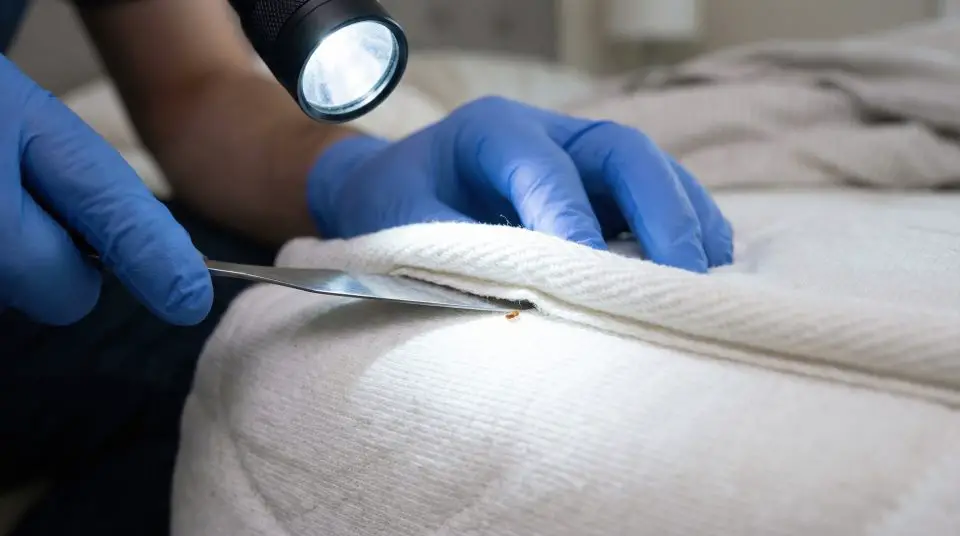
Evidence on furniture is subtle, and it helps to know what to look for. Tiny dark specks, about the size of a pen tip, may appear along seams and under cushions. These are digested blood and smear when wiped with a damp cloth. Pale yellow shed skins and translucent eggs, often clustered in a crease, are other signs. Some people also notice a faint sweet or musty smell in a heavily affected room.
A homeowner reading about bed bugs in couch cases should pay particular attention to the places where fabric is tight and shadowed, since these are where evidence collects first. Bites on the arms, neck, and legs after evenings spent on a sofa, especially if the bedroom shows no signs, also point toward the furniture as the main site.
Context adds weight. A recent secondhand purchase, a guest who stayed on the sofa, or a trip that ended with luggage resting on the cushions makes the furniture a likely entry point. When several signs appear together, bed bugs in couch seams stop being a suspicion and become a confirmed part of the problem, and the search should widen to nearby baseboards and walls.
Inspection Tips for Used and Existing Furniture
A careful inspection needs only a flashlight, a thin card, and some patience. Start with removable cushions, lifting each one and examining the seams, zippers, and underside. Check the piping and folds, running the card along the creases to flush out hiding bugs. Pay equal attention to the tags, which are a favorite hiding spot.
Move next to the frame. Tilt the couch gently to view the underside, since the dust cover is often torn or loosely stapled. Look at the corners, legs, and any exposed wood joints. No part of this requires cutting fabric or taking furniture apart, and doing so without training can scatter bugs rather than contain them.
Do not forget the surroundings. Baseboards, nearby outlets, picture frames, and the edges of the carpet can all hold stragglers. Buying secondhand furniture calls for extra care: inspect it in bright light before it enters the home, and avoid items left on curbs, as they may have been discarded for a reason.
A short routine reduces risk:
- Inspect used furniture outdoors before bringing it inside.
- Vacuum seams, cushions, and baseboards regularly, then empty the canister outside.
- Wash and dry throw blankets on high heat.
- Keep a clear space between the couch and the walls.
- Look under cushions and along seams every few weeks.
Final Analysis
Sofas and upholstered chairs are quiet reservoirs for bed bugs because they combine shelter, warmth, and long periods of human stillness. Their folds and frames conceal evidence, and their position in a shared room helps the insects spread to the bedroom and beyond. Regular, careful inspection, along with caution around used furniture, keeps small problems visible. When signs appear in more than one place, it is wise to treat the whole home as affected, because a single missed piece of furniture can undo the rest of the effort.





I hope you found this content useful!
Your generous support helps me produce more practical, hands-on content that I hope you’ll find useful.
Steve Maxwell